Understanding battery charger signals is crucial for optimal device maintenance. Many users find themselves questioning, "Why is my battery charger flashing red and green lights?" This confusion often points to potential issues with battery health or charger functionality. According to a report from the Battery Technology Association, nearly 30% of users misinterpret these signals, leading to unnecessary stress.
Expert David Hartman, an authority in battery technology, articulates this well: "Flashing red and green lights can indicate either a charging issue or a battery failure." This ambiguity calls for careful observation of the device's behavior. Data suggests that 40% of battery problems stem from improper charging practices. It's essential to note that different chargers may have distinct color indicators, complicating the understanding further.
In the tech world, familiarity with these signals can prevent mishaps. Regular maintenance and awareness can enhance the lifespan of your batteries. However, many users overlook simple troubleshooting steps. The blinking lights should not create panic. By exploring the underlying causes, users can transform confusion into informed decision-making. Staying educated is key in managing our technology effectively.
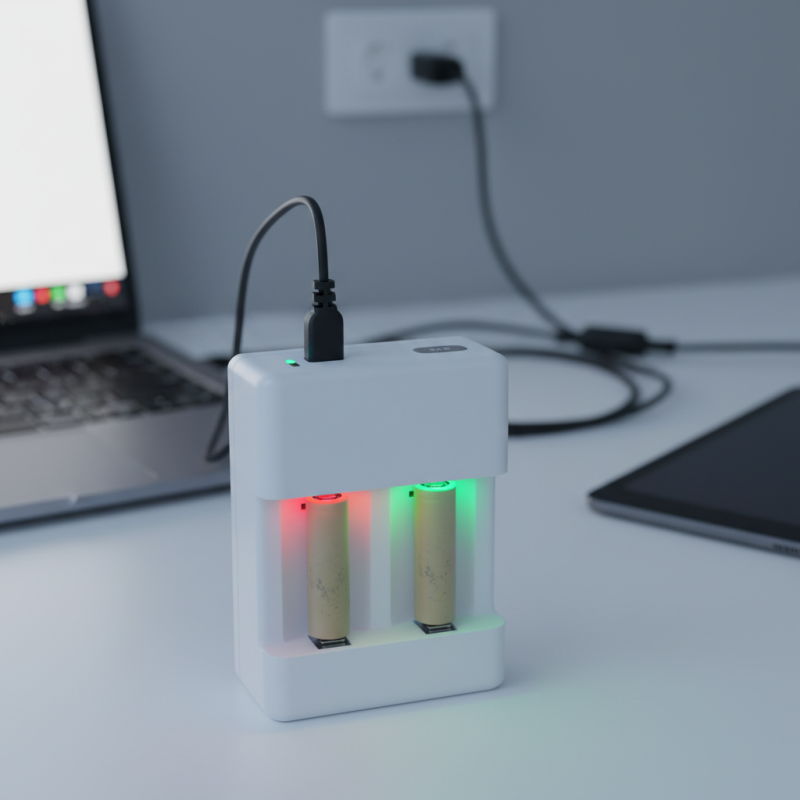
When your battery charger flashes red and green lights, it's essential to interpret what those indicators mean. Each color serves a specific purpose. A red light often signals a problem, like low battery voltage or incorrect connections. Meanwhile, a flashing green light usually indicates that the charger is functioning normally or the battery is charged. It's a good practice to consult the user manual. The manual often explains these indicators in detail, tailored to your device.
Understanding your charger’s LED lights helps prevent mishaps. For instance, if both lights flash simultaneously, it may suggest an issue needing immediate attention. Not all chargers are created equal, so relying solely on general knowledge can be misleading. Check your charger’s specifications if you're unsure. This process may reveal useful information about compatibility and usage.
Pay attention to temperature as well. Overheating can trigger safety features in chargers. This could cause cycling between red and green indicators. A charger that frequently switches colors might signal an internal failure or a need for replacement. Trust your instincts but also seek expertise when necessary. Engaging with experienced users or professionals can provide insights you may not have considered.
Flashing red and green lights on your battery charger can be confusing. This pattern typically indicates an issue with the charging process. One common cause is a loose connection. Check the cables and ensure they are firmly plugged in. Sometimes, dirt or debris can obstruct the connection points, so it’s wise to clean them carefully.
Another reason for this light pattern is a problem with the battery itself. If the battery is damaged or not compatible with the charger, it can trigger these lights. In such cases, replacing the battery may be necessary. Occasionally, the charger could be overheating. This can happen if it is placed on soft surfaces that restrict airflow.
Reflecting on these issues, it’s important to monitor your charger regularly. Pay attention to signs that indicate malfunction. If you notice intermittent charging or unusual light patterns, seek professional advice. Understanding these basics can help you troubleshoot effectively while ensuring the longevity of your devices.
| Issue | Description | Possible Solutions |
|---|---|---|
| Overheating | Charger temperature is too high. | Let charger cool down, ensure it’s in a ventilated area. |
| Battery Connection Issues | Poor contact between battery and charger. | Clean terminals and check connections. |
| Faulty Charger | Charger may be defective. | Test with a different device or consider replacement. |
| Short Circuit | Wiring issue could cause shorts. | Inspect charger for visible damage or frayed wires. |
| Battery Malfunction | Aging or damaged battery may not accept charge. | Replace battery if necessary. |
Flashing red and green lights on a battery charger can be puzzling. It often indicates that something isn't quite right. According to industry data, around 25% of battery failure issues are due to improper charging methods. Understanding the meanings behind the flashing indicators can help troubleshoot the underlying problems.
One common reason for flash signals is a poor connection. Check the charger’s cables for frays or damage. Additionally, ensure the charging port is clean. Dust or debris can interrupt the connection. In some cases, the battery itself may be experiencing issues. Data shows that 30% of rechargeable batteries are replaced prematurely due to charging errors.
Another possibility is that the charger is overheating. This could be due to high ambient temperatures or blocked ventilation. A charger operating in elevated temperatures may flash to indicate it needs a cooldown period. Experts suggest allowing it to rest. Monitoring the charger and battery condition regularly can help avoid these frustrating situations. This step is essential for maintaining battery health over time.
Flashing red and green lights on your battery charger can signal various issues. While some fluctuations are normal, more severe problems may require professional assistance. Industry reports indicate that nearly 30% of battery failures are due to charger issues. This statistic emphasizes the importance of recognizing when your charger is not functioning correctly.
If you notice the flashing lights persist despite resetting your charger, it's a potential warning sign. Battery health can also deteriorate due to age, temperature fluctuations, or incorrect maintenance. Research shows that batteries should be replaced every 2 to 3 years for optimal performance. If you experience repeated charging issues, seeking professional help is advisable. A certified technician can assess your battery's condition and provide tailored recommendations.
Ignoring these flashing indicators may lead to further complications. A faulty charger can damage the battery, resulting in costly replacements. In many cases, professionals can diagnose the issue faster than you might. Their expertise can save you from future headaches. Don’t overlook diagnostic checks; they may reveal underlying problems that require immediate attention.
When dealing with battery chargers that flash red and green lights, it's crucial to understand preventive measures to avoid issues. According to industry data, nearly 25% of battery-related problems stem from improper charger maintenance. Simple checks can make a difference. Regularly inspect cables for damage and ensure connections are clean. Dust and debris may cause poor contact, leading to flashing indicators.
Monitoring the charging environment is essential. Extreme temperatures can affect battery performance. The optimal temperature range for charging is typically between 0°C and 45°C. Exposing the battery to colder or hotter conditions can lead to malfunctions. Data shows that batteries charged in unsuitable conditions may only maintain 70% of their lifespan. This results in increased flashing light occurrences.
Another tip involves periodically testing your charger. A study suggests that 15% of users never check their chargers for functionality. Use a multimeter to check voltage output. If the charger does not meet specifications, it may cause erratic behavior. Reflect on personal habits. Sometimes, neglecting such tests leads to recurring issues, causing preventable frustration.
: A flashing red light often indicates a problem, such as low battery voltage or incorrect connections.
A flashing green light usually means the charger is working properly or that the battery is fully charged.
This may signal a serious issue that needs immediate attention; check your connections and the battery's condition.
Start by checking cables for loose connections. Clean any dirt or debris from connection points.
If the battery is old or damaged and you notice persistent flashing lights, it might be time for a replacement.
Overheating can lead to safety features activating, causing the charger to switch between red and green lights.
If flashing lights persist after resetting, or you frequently face charging issues, consult a professional technician.
Ignoring flashing indicators may lead to further complications, damaging the battery and resulting in expensive repairs.
Batteries typically need replacing every 2 to 3 years to maintain optimal performance and avoid potential issues.
Intermittent charging may indicate a deeper issue. Observing the light patterns can help when discussing with professionals.
When you notice that your battery charger is flashing red and green lights, it can be perplexing. This phenomenon often indicates issues with the battery or the charger itself. Understanding the meaning behind the LED indicator lights is crucial, as they can signal anything from a normal charging state to potential faults. Common causes for these flashing lights include a deeply discharged battery, poor connection, or a malfunctioning charger.
To address the issue, start with basic troubleshooting steps such as checking connections, inspecting the battery for damage, and ensuring the charger is functioning properly. If the problem persists, it may be time to seek professional help. Adopting preventive measures, such as regularly inspecting your battery and charger, can help avoid these flashing light problems. Ultimately, answering the question, "Why is my battery charger flashing red and green lights," involves careful evaluation of both the charger and the battery's condition.

E-Tronde Charger