Why Is My Battery Charger Not Recognizing a Dead Battery?

Time:2026-08-26 Author:Madeline
0%

When encountering issues with battery chargers, users often ask, "Why won't my battery charger recognize a flat battery?" This common problem affects many, especially in industries reliant on rechargeable batteries. Battery University reports that improper connections can cause chargers to fail to detect a dead battery, leading to frustration and wasted time.

Renowned battery expert Dr. Lisa Novak emphasizes the importance of connection quality. She states, “A charger needs a solid connection to gauge battery status.” Without this, the charger may consider the battery as unresponsive, leading to confusion. According to industry data, approximately 30% of reported battery issues are connection-related.

Moreover, factors such as battery age and capacity play crucial roles. As batteries degrade, their ability to hold a charge diminishes, which can complicate recognition by the charger. Inadequate maintenance and improper charging techniques exacerbate these issues. Understanding these nuances is vital for users seeking effective solutions.
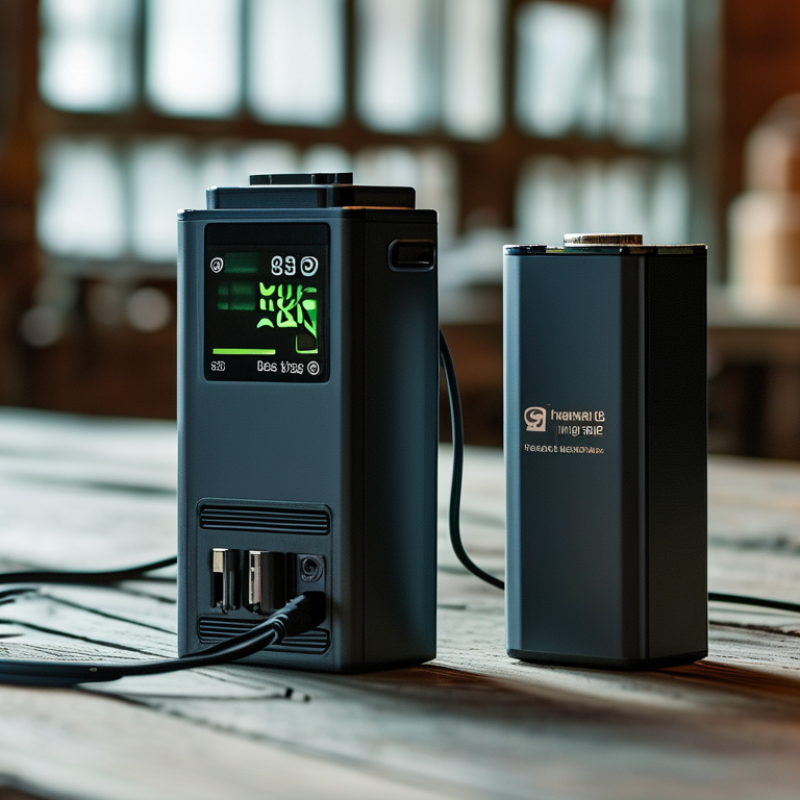
Why Is My Battery Charger Not Recognizing a Dead Battery?

Understanding Battery Charger Recognition Issues

When a battery charger fails to recognize a dead battery, it can be puzzling. Commonly, this issue stems from poor connections. Dust or corrosion on the terminals can prevent proper contact. A simple cleaning may alleviate the issue. Proper connection is crucial. Make sure everything is secure.

Sometimes, the battery itself is the culprit. A deeply discharged battery may require a different approach. Some chargers cannot revive batteries that have fallen below a specific voltage. This can lead to frustration. Users might wonder if their charger is functioning properly.

Another factor is the charger’s compatibility. Not all chargers can handle every battery type. Mismatched voltages or chemistries can lead to recognition issues. It’s vital to check specifications before attempting a charge. Reflecting on these factors can lead to better understanding and troubleshooting approaches.

Battery Charger Recognition Issues

This chart illustrates the percentage of recognition issues faced by battery chargers based on different battery states and potential faults. Fully charged batteries are recognized the most, while dead batteries are often not recognized at all. Other factors, such as faulty chargers and temperature issues, also contribute to recognition problems.

Common Reasons a Charger Fails to Detect a Dead Battery

A battery charger may fail to recognize a dead battery for several reasons. One common issue is a poor connection. Dirt, corrosion, or loose cables can prevent efficient power transfer. Cleaning the terminals might help, but you may still need a reliable connection to see results.

Another reason is the battery's age. Batteries lose their capacity over time. A dead battery may not hold a charge well enough for the charger to detect it. This situation calls for replacing the battery rather than continuing to troubleshoot. A charger may also struggle with charging batteries that have dropped too low in voltage.

Lastly, be mindful of charger compatibility. Some chargers may not work with specific battery types. If the battery isn't designed for your charger, it will fail to detect it. Understanding these nuances can save time and frustration. Each factor can lead to a dead end. Reflecting on these elements may guide you towards a potential solution.

Troubleshooting Steps for Unresponsive Battery Chargers

When your battery charger fails to recognize a dead battery, it can be frustrating. Understanding the reasons behind this issue is important. Start by checking the connections. Sometimes, dirt or corrosion on the terminals can impede the connection. Clean them properly and retry. If there is still no response, inspect the charger itself. Look for any signs of damage or wear.

Next, ensure that your battery is indeed dead. Use a multimeter to check its voltage. A completely drained battery may not receive a charge. Additionally, some chargers require a minimum charge to initiate the charging process. If the battery is older than three years, it might be time for a replacement.

Reflect on your charging environment as well. Extreme temperatures can affect battery performance. If the charger feels unusually hot or cold, allow it to return to room temperature. Finally, consider the lifespan of your charger. Continuous usage without proper care can lead to malfunctions. Regular maintenance can enhance the reliability of your battery charger.

Why Is My Battery Charger Not Recognizing a Dead Battery? - Troubleshooting Steps for Unresponsive Battery Chargers

Troubleshooting Step Description Outcome
Check Connections Ensure that the charger is properly connected to the battery terminals. Loose connections can prevent charging.
Inspect Charger Examine the charger for signs of damage or wear. A faulty charger may not charge any battery.
Test with a Known Good Battery Use a charged battery that you know is working to see if the charger recognizes it. Helps determine if the issue is with the charger or the dead battery.
Check for Voltage Measure the voltage of the dead battery using a multimeter. If voltage is too low, the battery may be beyond recovery.
Reset Charger Unplug the charger for a few minutes, then plug it back in. Reinitializes the charger, which may resolve recognition issues.
Consult the Manual Refer to the charger’s manual for specific troubleshooting tips. Ensures you’re following proper procedures for your charger.

Tips for Maximizing Battery and Charger Lifespan

Battery maintenance is crucial for longevity. According to a study by the Battery Technology Association, batteries can lose up to 30% of their capacity if not charged properly. This highlights the importance of using the right charger and maintaining optimal conditions. Charging a battery in extreme temperatures can lead to performance degradation. Keeping your battery away from excessive heat or cold can greatly extend its lifespan.

Regularly inspecting your charger and battery connection is essential. Dust and corrosion can create barriers that hinder power transfer. A reliable source, the Renewable Energy Institute, emphasizes the need for clean contacts. Investing time in cleaning your connections can prevent many issues. Furthermore, frequent cycling of your battery—charging and discharging—can contribute to battery health.

Furthermore, understanding your battery's specific requirements enhances performance. Many users overlook the importance of matching charger output with battery specs. A mismatch can lead to inefficiencies, making your battery charger unable to recognize a dead battery. Frequent attention to these details can transform how effectively your batteries perform over time.

When to Replace vs. Repair a Dead Battery

A dead battery can be frustrating, especially when your charger doesn’t recognize it. Understanding when to replace or repair a dead battery is essential for effective management. Age is a critical factor. Most batteries have a limited lifespan. If your battery is several years old, replacement is often the best choice. Newer batteries take less time to recharge and hold a charge better.

Repairing a battery can seem appealing, especially if you think it's a simple issue. However, many repairs are temporary fixes. If your battery often dies unexpectedly, it may not be worth the effort. Testing battery health can provide insight. If the voltage is significantly lower than expected, the battery is likely beyond repair.

Also, consider the cost of replacement versus repair. Sometimes, the expense of repairing a battery is close to that of buying a new one. If you frequently encounter charging issues, a new battery may offer peace of mind. Ultimately, making informed decisions based on battery condition and age helps avoid repeated frustrations.

FAQS

: Why might a charger not recognize a dead battery?

: A poor connection is a common cause. Dirt or loose cables can hinder power transfer.

How does the age of a battery affect its detection?

Older batteries lose capacity and may not hold a charge well enough for detection.

What should I do if my battery is not detected?

Consider replacing the battery, especially if it’s old or damaged.

How does temperature impact battery performance?

Extreme temperatures can degrade performance. Keep batteries at moderate temperatures.

Why is regular inspection of chargers and batteries important?

Dust and corrosion can block connections. Clean contacts improve reliability.

How can I maximize battery lifespan?

Charge regularly and avoid extremes. Proper maintenance can extend battery life significantly.

What role does charger compatibility play?

Some chargers don’t work with specific battery types, leading to detection failures.

How can I improve battery performance?

Match the charger output with battery specifications. Mismatches cause inefficiencies.

What common oversight do users make with chargers?

Many overlook the importance of clean connections. Regular cleaning is essential.

Is there a simple fix for connection issues?

Cleaning terminals can help, but ensure connections are secure for best results.

Conclusion

If you're wondering, "Why won't my battery charger recognize a flat battery?" there are several factors to consider. Battery charger recognition issues can stem from a variety of common reasons, including incompatible connections, faulty chargers, or battery deterioration. Understanding these factors is vital for troubleshooting an unresponsive battery charger effectively.

To resolve the issue, start by checking the connections and ensuring compatibility between the charger and battery. If troubleshooting doesn’t yield results, it may be time to consider whether to repair or replace the dead battery. Additionally, maintaining both the battery and charger will prolong their lifespan, helping to avoid future issues. By following these guidelines, you can better understand and address the problems associated with battery charger recognition.

Madeline

Madeline

Madeline is a dedicated marketing professional with a wealth of expertise in our company's core offerings. With a keen understanding of the industry, she brings a unique perspective to her role, consistently delivering high-quality content that highlights the superior aspects of our products. As......