China Best Pulse Repair Technology What Are the Benefits?

Time:2026-09-20 Author:Oliver
0%

China’s best pulse repair technology is attracting attention from workshops, fleet operators, and battery owners. It uses controlled electrical pulses during charging. These pulses may help reduce lead sulfate buildup on suitable lead-acid batteries. However, results depend on battery age, chemistry, damage, and charging conditions. It is not a guaranteed cure.

What are the benefits of pulse repair charging technology? In practical use, it may improve charge acceptance, reduce charging time, and support better battery capacity. A technician might notice this when an older battery powers a test load for longer. Some systems also monitor voltage, current, temperature, and charging stages. These controls can reduce overheating risks when properly designed. Reliable manufacturers should provide test data, safety instructions, and clear compatibility information.

Details matter. A pulse charger should match the battery’s voltage and chemistry. Lead-acid batteries require different treatment from lithium-based batteries. Pulse repair cannot restore plates damaged by corrosion, freezing, or severe water loss. This limitation is easy to overlook. Independent testing is more convincing than impressive product claims. Look for measurements taken before and after charging, including capacity, internal resistance, and cycle performance. Certification also matters, but certification alone does not prove repair effectiveness. China has many capable battery technology manufacturers, yet product quality varies between suppliers. Buyers should inspect circuit protection, thermal controls, warranty terms, and after-sales support. Used carefully, pulse repair charging may extend service life and reduce replacement waste. Still, professional diagnosis remains essential. Sometimes replacement is the safer choice.
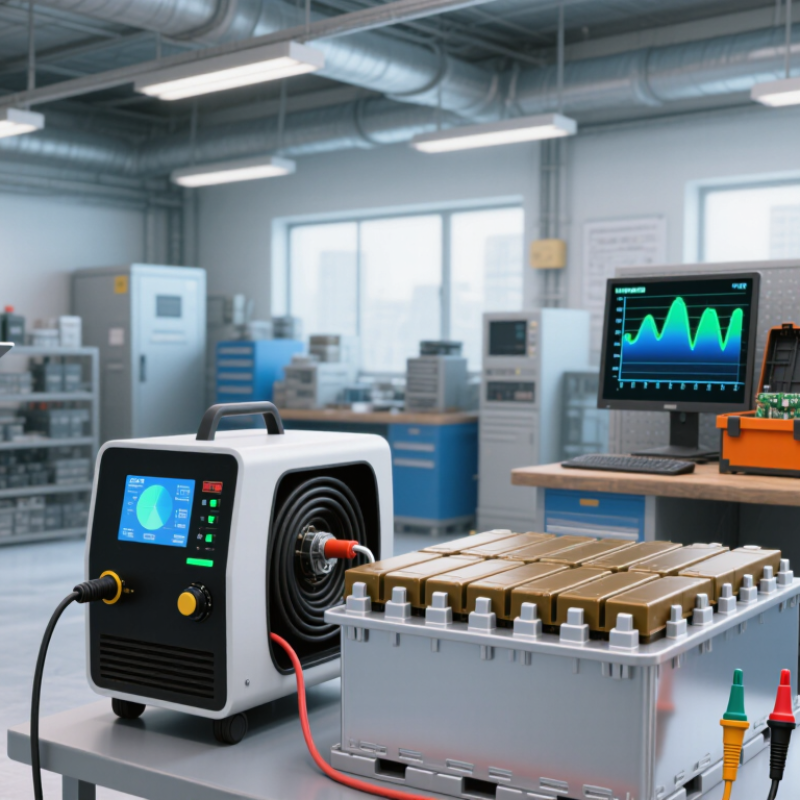
China Best Pulse Repair Technology What Are the Benefits?

What Is Pulse Repair Technology?

Pulse repair technology is a controlled charging method for certain rechargeable batteries, especially lead-acid types. It sends short, high-frequency electrical pulses through the battery during charging. These pulses aim to reduce hardened lead-sulfate crystals on the plates. Such sulfation often forms when a battery remains partly charged for too long. The process may improve charge acceptance and reduce internal resistance. It does not replace damaged plates, restore lost electrolyte, or reverse severe corrosion.

Battery performance depends on chemistry, temperature, charging history, and physical condition. The U.S. Environmental Protection Agency reports that lead-acid batteries achieve recycling rates above 99% in the United States. This figure highlights their long service value, but recycling is not the same as repair. The International Energy Agency reported that global electric-car battery demand exceeded 750 GWh in 2023, increasing about 40% year on year. That growth makes battery life extension more important, although pulse repair mainly applies to lead-acid systems.

Real workshop testing should measure voltage, conductance, reserve capacity, and charging time before and after treatment. Results can be modest. Sometimes, no improvement appears. The technology works best on early sulfation, not on cracked cases or shorted cells. Pulse devices also vary in frequency, current, and control logic, so “repair” can sound stronger than the evidence supports. Careful diagnosis remains essential.

How Does Pulse Repair Technology Restore Battery Performance?

Pulse repair technology restores battery performance by applying controlled electrical pulses during charging. These pulses can help reduce soft lead-sulfate deposits on plates. The process may improve charge acceptance and available capacity in some aging lead-acid batteries. It cannot rebuild damaged plates or replace lost electrolyte.

A practical repair cycle starts with voltage, capacity, and internal-resistance testing. A charger then delivers short pulses between lower-current charging stages. Technicians usually monitor battery temperature and charging voltage closely. A cool case, steady voltage, and reduced resistance are encouraging signs. Results are less convincing when the battery has severe corrosion or a shorted cell.

The DOE/EPRI Electricity Storage Handbook reports lead-acid round-trip efficiency at roughly 75–85%. That figure describes system performance, not pulse repair results. Independent testing remains essential. Some batteries recover noticeably; others barely change. This uncertainty matters. Marketing claims often sound stronger than laboratory evidence. Pulse repair is maintenance, not magic. It may extend useful service, but only when the battery’s internal structure remains sound. The International Energy Agency’s Global EV Outlook 2024 recorded more than 14 million electric-car sales in 2023, highlighting the broader need for disciplined battery testing and maintenance. Still, pulse methods differ greatly by battery chemistry, age, and charging history. A controlled before-and-after capacity test is the most reliable proof.

Pulse Repair Technology: Potential Battery Performance Benefits

Representative 12 V lead-acid battery indicators before and after a successful desulfation cycle

Pulse repair applies controlled high-frequency current pulses during charging. In a sulfated battery, this may help reduce lead-sulfate buildup, lower internal resistance, improve charge acceptance, and recover part of the available capacity. The values shown are representative diagnostic benchmarks, not guaranteed results; batteries with corrosion, shorted cells, or permanently damaged plates generally cannot be restored by pulse repair alone.

Note: Lower internal resistance is better. Results vary with battery age, chemistry, temperature, depth of discharge, and the severity of sulfation.

What Are the Main Benefits of Pulse Repair Technology?

Pulse repair technology uses controlled electrical pulses to address sulfation in certain lead-acid batteries. This buildup can reduce charging efficiency and available capacity. When the battery remains structurally sound, pulse treatment may help restore part of its performance.

The main benefit is longer battery service life. A battery that accepts charge more effectively may support vehicles, backup systems, and small equipment for a longer period. This can reduce replacement frequency, operating costs, and disposal volume. In practical workshop use, technicians may notice steadier voltage readings after a suitable repair cycle. The improvement is not always dramatic. The result varies.

Pulse repair can also support more efficient maintenance. Instead of replacing every weak battery immediately, technicians can test its voltage, capacity, and internal condition first. A controlled repair cycle may offer a reasonable second chance for batteries with moderate sulfation. It also encourages condition-based decisions rather than guesswork.

However, pulse technology cannot repair cracked cases, severe corrosion, internal short circuits, or frozen batteries. It should not be treated as a universal solution.

Reliable equipment requires accurate pulse control, temperature monitoring, and clear safety instructions. Quality testing matters more than attractive claims. Users should record battery condition before and after treatment, including resting voltage and load performance. This simple comparison helps confirm whether the technology produced a useful improvement or only a temporary change.

Which Batteries Can Use Pulse Repair Technology?

Pulse repair technology is mainly designed for rechargeable lead-acid batteries. It may suit flooded, AGM, and gel batteries when the charger supports the correct voltage and charging profile. These batteries can develop sulfate crystals after long storage, repeated undercharging, or low electrolyte levels. Controlled electrical pulses may help reduce some soft sulfation and improve charge acceptance.

It is not a universal battery cure. A pulse charger should not be used on swollen, leaking, cracked, or overheated batteries. Stop immediately if the case becomes hot or produces an unusual smell. Internal plate corrosion, short circuits, and severe capacity loss cannot be reliably reversed by pulses. The word “repair” can sound too confident here. In practical workshop checks, a battery may show higher voltage after treatment but still fail a load test.

Lithium-ion batteries require different protection and charging controls. Pulse repair devices intended for lead-acid batteries should not be connected to them. Their cells and battery-management systems may respond unpredictably. Nickel-metal hydride and nickel-cadmium batteries also need chemistry-specific chargers; ordinary desulfation modes are unsuitable. Check the battery label, rated voltage, capacity, and manufacturer instructions before treatment. Use ventilation with flooded batteries, and disconnect sensitive vehicle electronics when recommended. A proper conductance or load test gives more trustworthy evidence than voltage alone.

China Best Pulse Repair Technology What Are the Benefits? - Which Batteries Can Use Pulse Repair Technology?

Battery Type Typical Nominal Voltage Pulse Repair Suitability Potential Benefits Main Limitations Recommended Practice
Flooded Lead-Acid 2 V per cell; commonly 6 V or 12 V battery systems Generally suitable when sulfation is limited May reduce some lead-sulfate deposits, improve charge acceptance, and help recover part of the lost capacity Cannot repair cracked plates, corrosion, shorted cells, severe water loss, or active-material shedding Use a charger specifically rated for flooded lead-acid batteries; check electrolyte level, ventilation, temperature, and charging voltage
AGM Lead-Acid Typically 12 V; six 2 V cells Conditionally suitable May help address mild sulfation caused by undercharging or prolonged partial-state-of-charge operation AGM batteries are sensitive to overvoltage and overheating; excessive charging can dry out the electrolyte and cause permanent damage Use only a pulse-repair mode approved for AGM batteries and follow the battery maker’s absorption and float-voltage limits
Gel Lead-Acid Typically 12 V; six 2 V cells Use with strong caution May provide limited assistance for mild sulfation if voltage and current remain within gel-cell specifications Overvoltage can create gas pockets in the gel, causing irreversible capacity loss and internal damage Avoid generic desulfation programs; use only a low-voltage, temperature-controlled program explicitly compatible with gel batteries
Enhanced Flooded Battery (EFB) Typically 12 V Often suitable with a compatible program May help reduce mild sulfation and support charge acceptance after extended low-charge operation Cannot reverse grid corrosion, mechanical damage, or advanced loss of active material Select an EFB or flooded lead-acid setting and confirm that the battery is not physically damaged before charging
Lithium-Ion Approximately 3.6–3.7 V per cell; pack voltage depends on cell count Not recommended A lead-acid desulfation pulse cannot remove lead sulfate because lithium-ion cells do not use lead-acid chemistry Incorrect pulse voltage or current can trigger protection circuits, cause overheating, internal damage, or create a fire hazard Use only a charger and battery-management system designed for the specific lithium-ion chemistry and pack configuration
Lithium Iron Phosphate (LiFePO4) Approximately 3.2–3.3 V per cell; commonly 12.8 V for a four-cell pack Not suitable for lead-acid pulse repair No desulfation benefit because LiFePO4 cells do not form lead-sulfate deposits A repair mode intended for lead-acid batteries may conflict with the battery-management system and safe charging limits Use a LiFePO4-specific charger with the correct voltage profile and suitable low-temperature protections
Nickel-Metal Hydride (NiMH) Approximately 1.2 V per cell Not suitable Pulse desulfation is not an appropriate treatment for NiMH chemistry Improper pulsing can cause overheating, overcharging, cell venting, or capacity loss Use a NiMH charger that detects charge termination by temperature, voltage behavior, or a specified time algorithm
Nickel-Cadmium (NiCd) Approximately 1.2 V per cell Not suitable for lead-acid pulse repair Lead-sulfate reduction does not apply to NiCd batteries Incorrect charging may cause overheating, venting, electrolyte damage, or reduced service life Use a charger designed for NiCd cells and comply with applicable handling and recycling requirements
Important: Pulse repair technology is mainly associated with some lead-acid charging programs and is not a guaranteed battery-recovery method. It may help with certain forms of mild, reversible sulfation, but it cannot restore batteries with severe aging, physical damage, shorted cells, or major loss of active material. Always verify battery chemistry, voltage, temperature, and charger compatibility before use.

How to Choose China’s Best Pulse Repair Technology?

Choosing China’s best pulse repair technology starts with the battery, not the advertisement. Confirm whether the system supports lead-acid, AGM, or gel batteries. Pulse settings must match the battery’s voltage, capacity, and condition. A quality unit should show charging voltage, current, temperature, and repair progress. Clear data is more useful than impressive language.

Look for documented testing under repeatable conditions. Reliable suppliers should explain pulse frequency, safety limits, and expected results. Ask for test records from weak batteries, not only new samples. A pulse process may reduce sulfation in some lead-acid batteries, but it cannot repair cracked plates or severe internal damage. That distinction matters. In practical workshops, technicians also check battery temperature and resting voltage after treatment. One reading is not enough. No test is perfect, and some advertised recovery rates deserve careful questioning.

Tips: Choose equipment with overcharge, short-circuit, and overheating protection. Request independent test evidence when possible. Check whether replacement parts and technical support are available locally. Avoid systems that promise instant recovery for every battery. Compare actual charging curves, noise, operating temperature, and energy use. A short trial on a damaged battery can reveal more than a polished brochure. Also, keep written records before and after repair. Small details often expose weak technology.

FAQS

What is pulse repair technology?

It is a controlled charging method for certain rechargeable lead-acid batteries. Short electrical pulses pass through the battery during charging. These pulses may reduce soft sulfate deposits on the plates. It is not magic.

How can pulse charging improve battery performance?

The pulses may improve charge acceptance and reduce internal resistance. A battery might charge more steadily afterward. Available capacity may also increase slightly. Results vary.

Which batteries are suitable for pulse repair?

The method mainly suits flooded, AGM, and gel lead-acid batteries. The charger must match the battery’s voltage and charging profile. Check the battery label before connection.

Can pulse repair fix every damaged battery?

No. It cannot rebuild damaged plates or replace lost electrolyte. It cannot reliably reverse cracked cases, severe corrosion, or shorted cells. A higher voltage can still hide poor capacity.

Can pulse repair be used on lithium-ion batteries?

No, ordinary lead-acid pulse devices are unsuitable for lithium-ion batteries. Lithium systems require chemistry-specific charging and protection controls. Incorrect charging may cause unpredictable behavior.

How should battery improvement be tested?

Measure voltage, conductance, capacity, internal resistance, and charging time before treatment. Repeat the same tests afterward. A load test is more useful than voltage alone. Numbers matter.

What safety signs require immediate stopping?

Stop if the case becomes hot, swollen, cracked, or leaky. Stop if you notice an unusual smell. Use ventilation with flooded batteries. A cool case is reassuring, not proof.

When does pulse repair work best?

It works best when early sulfation follows long storage or repeated undercharging. It works poorly on batteries with deep structural damage. Sometimes, no improvement appears. That uncertainty deserves attention.

Conclusion

Pulse repair technology is an advanced battery maintenance method that uses controlled electrical pulses to help reduce sulfation, improve charge acceptance, and restore part of a battery’s usable performance. Instead of relying on constant charging alone, it sends carefully regulated pulses that can support more balanced chemical activity inside the battery. This process may help improve starting power, charging efficiency, service life, and overall reliability when used with a suitable charging system.

What are the benefits of pulse repair charging technology? Its main advantages include supporting battery recovery, reducing performance loss caused by long-term undercharging, and helping maintain stable capacity over time. It can be applied to several rechargeable battery types, including certain lead-acid batteries used in vehicles, backup systems, and equipment. When choosing China’s best pulse repair technology, users should consider pulse control accuracy, safety protections, compatibility, charging efficiency, durability, and ease of operation. Proper battery diagnosis and correct operating conditions are also essential for achieving dependable results.

Oliver

Oliver

Oliver is a seasoned marketing professional with a wealth of expertise in driving brand awareness and engagement. With a deep understanding of our company's product offerings, he consistently delivers high-quality content that enriches our professional blog. His insights not only shed light on......