What Is the best storage temperature for battery chargers? The answer depends on the charger’s design, its battery chemistry, and the manufacturer’s instructions. For many household chargers, a dry, moderate indoor temperature is a sensible starting point. Avoid leaving one in a freezing garage, a hot vehicle, or direct sunlight. Heat can stress electronic components, while cold may affect batteries connected to the charger. Small details matter: a charger beneath a dusty workbench may also collect moisture and debris.
Battery expert Isidor Buchmann, founder of Cadex Electronics, has emphasized cool storage for batteries; his guidance is commonly summarized as storing them around 15°C (59°F). That recommendation concerns batteries, not every charger model, so it should not be treated as a universal charger specification. Check the product manual for its stated storage range, and keep the charger unplugged when it is not in use. Simple, but easy to overlook.
This guide examines What is the best storage temperature for battery chargers, including how heat, cold, humidity, and battery type can affect safe storage. It also explains why a charger’s operating range may differ from its storage range. One honest limitation: household conditions vary, and a hallway cupboard is not a controlled laboratory. Follow the manufacturer’s advice when it differs from general guidance, and inspect the charger before using it again. If its case is cracked, damp, or unusually warm, pause and seek qualified support.
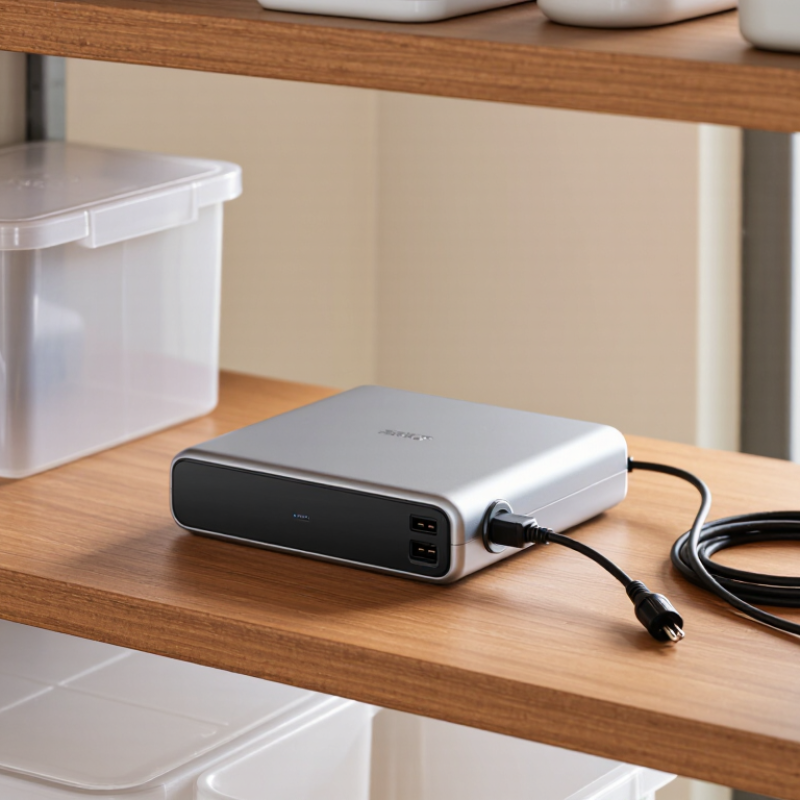
What Battery Chargers Are and Why Storage Temperature Matters
What Is the Best Storage Temperature for Battery Chargers?
Battery chargers convert household electricity into a controlled current for rechargeable batteries. Inside, they contain transformers, circuit boards, sensors, and insulating materials. These parts dislike extreme heat, freezing conditions, and moisture. For many household chargers, a dry room between 10°C and 25°C is a practical storage range. However, the product manual should remain the main authority. Designs and materials vary.
Storage temperature matters because heat can age electronic components, harden cable insulation, and weaken internal connections. Cold storage creates another risk. When a charger moves from a cold garage into a warm room, condensation may form inside its housing. That hidden moisture can cause faults when power is connected. Let it warm naturally first. I have found that rushing this step is an easy mistake.
Tips
Store the charger on a clean shelf, away from windows, radiators, and damp floors. Keep cables loosely coiled, rather than sharply folded. Remove dust from ventilation openings with a dry, soft cloth. Before use, check for cracked insulation, bent pins, or unusual odors. Do not assume a charger is safe because it looks clean. If it was stored in a hot vehicle or freezing shed, inspect it carefully and allow it to return to room temperature. The “perfect” temperature is less important than avoiding repeated extremes.
How Temperature Affects Charger Components and Performance
Battery chargers usually store best between 15°C and 25°C, in a dry, stable room. This range reduces stress on capacitors, insulation, cables, and circuit boards. Higher temperatures can speed up component aging. Plastic housings may also become brittle after repeated heat exposure. A charger left in a hot vehicle can reach damaging temperatures within an hour.
Cold storage creates a different problem. Low temperatures can stiffen cables and reduce material flexibility. Moving a cold charger into a warm room may cause condensation inside the housing. That moisture can affect contacts and create unreliable charging later. Allow the charger to reach room temperature before connecting it. I have seen people ignore this simple step. It is easy to underestimate hidden moisture.
Tips: Keep the charger away from sunlight, heaters, damp floors, and dusty shelves. Store cables loosely, without sharp bends or tight wrapping. Check the casing and connector before use. If the charger feels unusually hot, smells burnt, or shows damaged insulation, stop using it and request professional inspection. Manufacturer storage guidance should take priority, especially for chargers with displays, cooling fans, or internal batteries. A temperature around 20°C is a practical target, but stable conditions matter more than chasing one exact number.
Recommended Storage Temperature Ranges for Battery Chargers
What Is the Best Storage Temperature for Battery Chargers?
Recommended Storage Temperature Ranges for Battery Chargers
For most battery chargers, 15°C to 25°C (59°F to 77°F) is the preferred storage range. This moderate temperature helps protect internal circuits, insulation, and connectors. A dry room with stable conditions is better than a garage with sharp temperature changes.
A practical acceptable range is usually 5°C to 35°C (41°F to 95°F), provided the charger remains unplugged and protected from moisture. Avoid storing it near radiators, sunny windows, or unheated areas that may freeze. Heat can age plastic parts and electronic components. Freezing temperatures may create condensation when the charger returns indoors.
Keep it dry.
Before storage, remove dust from the vents and check the cable for cuts, flattened sections, or loose connectors. Coil the cable loosely. Tight bends can weaken it over time. Store the charger away from metal objects that could press against the plug or damage the housing.
Temperature is not the only concern. I once treated a cool storage cabinet as automatically safe, but poor ventilation and humidity still created problems. That assumption needs questioning. The charger’s manual should take priority because storage limits can differ by design. After long storage, allow a cold charger to reach room temperature before use, then inspect it carefully for moisture or cracking.
What Is the Best Storage Temperature for Battery Chargers? – Recommended Storage Temperature Ranges for Battery Chargers
| Storage condition |
Temperature range |
Guidance |
Important considerations |
| Preferred indoor storage |
10–30°C (50–86°F) |
A practical target for storing most unplugged consumer battery chargers. |
Choose a dry, ventilated indoor location away from direct sunlight and heat sources. |
| Typical room-temperature range |
15–25°C (59–77°F) |
Suitable for routine storage in a stable indoor environment. |
Keep the charger unplugged and prevent dust, moisture, and physical damage. |
| Cool storage |
Below 10°C (50°F) |
May be acceptable if the charger’s manual permits it and the storage area is dry. |
After moving a cold charger into a warm room, let it reach room temperature before use to reduce condensation risk. |
| Warm storage |
30–40°C (86–104°F) |
Avoid for long-term storage where possible. |
Do not leave chargers in hot vehicles, near radiators, or in direct sun; heat can accelerate aging of electronic components. |
| Below freezing or above 40°C (104°F) |
Outside the preferred range |
Store only if the charger’s specified storage-temperature limits allow it. |
There is no single storage limit for all chargers. Check the product manual or label; the charger’s limits may differ from the battery’s limits. |
|
General guidance: for most unplugged battery chargers, aim for a dry indoor location around 10–30°C (50–86°F). Always follow the charger manufacturer’s stated storage-temperature range when available.
|
How to Store Chargers in Cold, Hot, or Humid Environments
Battery chargers last longer when stored in a stable, moderate environment. A practical target is 15–25°C, away from radiators, windows, and direct sunlight. Extreme heat can harden cable insulation and weaken internal components. Cold storage is less damaging, but sudden warming creates condensation inside the charger.
Let it warm naturally before connecting power. A charger taken from a freezing garage may look dry outside while moisture remains beneath its casing. Waiting several hours is safer than switching it on immediately. Never leave a charger in a parked car during summer; temperatures can rise rapidly behind glass. Shade helps, but indoor storage is better.
Humidity requires equal care. Keep the charger in a dry cabinet, preferably between 30% and 60% relative humidity. In damp rooms, a breathable storage box with a small desiccant pouch can reduce moisture exposure. Do not wrap a recently used, warm charger tightly, because trapped heat and moisture may linger. Check the plug, vents, and cable before each use. Look for corrosion or a sticky surface.
Real workshop experience shows that storage habits often matter more than occasional heavy use. Still, temperature ratings differ between charger designs, so the instruction manual should guide uncertain decisions. I have sometimes underestimated coastal humidity. That mistake is easy to repeat. Keep chargers clean, dry, and away from metal shelves that may develop condensation.
How to Check Manufacturer Guidance and Prepare a Charger for Use
A cool, dry room is usually safer than a garage shelf exposed to summer heat. Many chargers tolerate moderate indoor temperatures, often around 15–25°C, but the manual remains authoritative. Do not treat that range as universal. Storage limits can change with battery chemistry, insulation, and charger design.
Check the charger’s label, instruction manual, and current support page. Record the exact model and revision number. Look for storage temperature, humidity, ventilation, and cleaning instructions. If the documents disagree, contact qualified support before relying on the charger. I once assumed “room temperature” meant any indoor location. That assumption ignored damp basements and freezing sheds.
Before use, let a cold charger reach room temperature while unplugged. This reduces condensation risk inside the casing. Inspect the plug, cable, housing, and connector for cracks, discoloration, or looseness. Keep air vents clear. Wipe dust away with a dry, soft cloth. Never open the casing for casual inspection. Connect it only when the charger is dry and undamaged. Watch the first charging cycle nearby, especially after long storage. Stop if you notice unusual heat, odor, noise, or intermittent power. Temperature guidance matters, but storage conditions also deserve attention.
Conclusion
What is the best storage temperature for battery chargers? In general, a cool, dry place with a stable, moderate temperature is a sensible choice. Extreme heat can accelerate wear on electronic components and insulation, while freezing conditions may affect materials or cause condensation when a charger is brought back into a warm space. High humidity also increases the risk of moisture-related damage. Good storage helps preserve a charger’s condition and supports reliable performance when it is needed.
Before storing a charger, disconnect it from power and keep it in a clean, dry location away from direct sunlight, heaters, and damp areas. Avoid tightly enclosing it while it is warm, and allow it to reach room temperature before use if it has been exposed to cold. Temperature limits can vary by design, so check the manufacturer’s guidance for the specific charger. Inspect the cable, plug, and casing before reconnecting, and do not use the charger if you notice damage or signs of moisture.

 E-Tronde Charger