Understanding the charging time for a 48V electric bike is crucial for all e-bike users. You may wonder, "How long should it take to charge a 48V electric bike?" This question arises from both convenience and efficiency concerns. The charging duration can vary based on multiple factors.
Battery capacity plays a significant role. Typically, a 48V battery can take anywhere from 4 to 8 hours to charge fully. However, other variables can influence this time. Factors like the charger type and the remaining battery level at the start of charging matter. Using a fast charger might decrease the time significantly, but it can impact battery longevity.
Some users report longer charging times, leading to frustration. It’s important to balance speed with battery health. Regularly monitoring your e-bike's charging habits can help optimize performance. Ultimately, understanding the nuances of charging can enhance your riding experience.
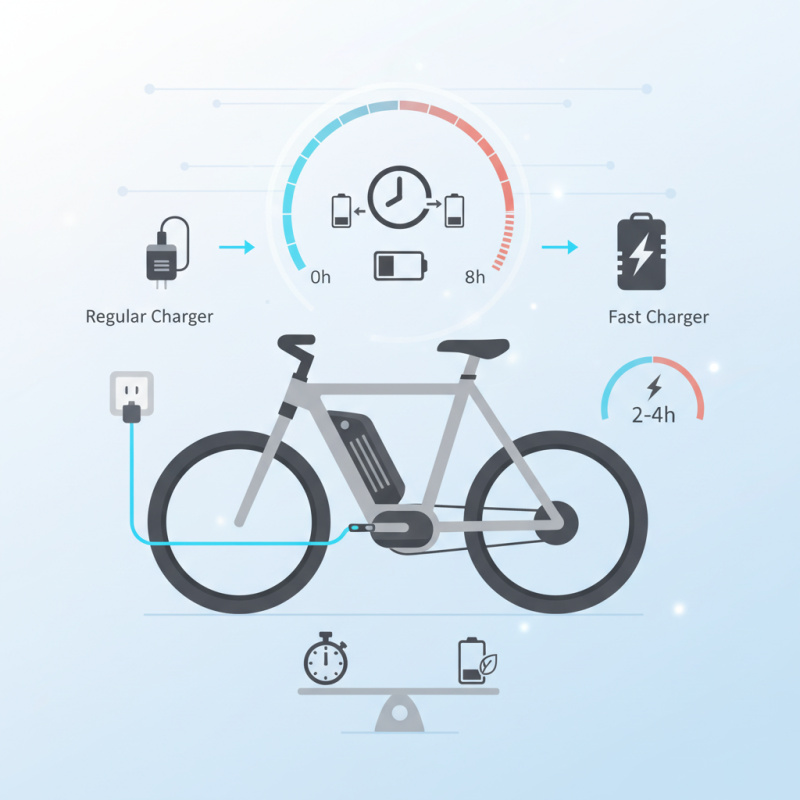
Charging a 48V electric bike can vary significantly based on several key factors. One major aspect is the capacity of the battery, typically measured in amp-hours (Ah). For instance, a 48V battery with a capacity of 10Ah may take around 5 to 8 hours to fully charge when using a standard charger. However, this time can fluctuate widely depending on the charger's output. High-speed chargers can reduce this time to 2 to 3 hours, but they may not be suitable for all battery types.
Another critical factor influencing charging time is the battery's state of charge before plugging it in. If the battery is nearly empty, it may require a longer charging duration. Conversely, a battery with a partial charge will require less time to complete the charging cycle. Additionally, environmental conditions such as temperature can also affect charging efficiency. Batteries charge more slowly in extreme cold or heat, which can lead to overheating or underperformance. Understanding these details helps users make informed decisions about their electric bike charging practices.
It's essential to reflect on the charging infrastructure and habits. Many users overlook the importance of regular maintenance and the condition of charging equipment. A worn-out charger can significantly lengthen charging times. Users often face issues with unfamiliar charger specifications, leading to underperformance. Therefore, considering these aspects is crucial for a smooth charging experience.
Charging a 48V electric bike can vary widely based on the battery type. Common 48V batteries include lithium-ion, lead-acid, and nickel-metal hydride. Each type has its unique characteristics and charging times. For instance, lithium-ion batteries typically charge faster, taking around 4 to 6 hours to reach full capacity. This speed is one reason they are popular in the e-bike market.
Lead-acid batteries, on the other hand, can require 8 to 12 hours for a complete charge. Despite their slower charge times, they are often more affordable. However, their weight and size can be a disadvantage for commuters. Reports from industry studies indicate that lead-acid batteries also have a shorter lifespan compared to lithium-ion, which can affect long-term investment decisions for consumers.
An emerging trend is the use of smart chargers. These chargers not only optimize charge times based on battery type but also enhance battery health. While these advancements are promising, there is still a need for user education on proper charging practices. Underestimating the importance of charge time can lead to reduced battery performance over time. Understanding these nuances can greatly influence a consumer's choice in the electric bike market.
Charging methods for 48V electric bikes can significantly affect the time needed to achieve a full charge. Standard charging typically uses a 2A to 5A charger. This standard method may take about 4 to 8 hours to fully recharge the battery. The slow pace is ideal for overnight charging. However, many riders face challenges with long charging periods. For urban commuters, this can be inconvenient, especially if unexpected trips arise.
Fast charging solutions have emerged to address these concerns. Utilizing a 10A or higher output charger can reduce charging time to 2 to 3 hours. According to industry reports, nearly 25% of electric bike users prefer fast charging due to time efficiency. However, not all bikes support these high-current chargers. Misusing higher amps can damage the battery, so caution is essential. Fast charging may also lead to battery overheating, impacting longevity.
The choice of charging method also relies on battery management systems. These systems, vital for longevity, monitor the charging process. They ensure that batteries don't exceed ideal charging rates. It's crucial for riders to evaluate their usage needs. Some may prioritize speed, while others value battery life. Each choice carries trade-offs that should be carefully considered.
Charging a 48V electric bike varies based on battery capacity. Most commonly, these batteries range from 10Ah to 20Ah. Typically, a 10Ah battery will take around 4 to 5 hours to fully charge. In contrast, a 20Ah battery may need between 6 to 8 hours. These times can fluctuate based on the charger used and other factors.
Notably, the quality of the charger influences charging time. A high-quality charger delivers power more efficiently. Conversely, a low-quality charger can extend charging periods. Additionally, environmental temperature plays a role. Extreme cold can slow down the charging process. Hotter conditions might lead to overheating, causing safety concerns.
Users might find inconsistencies in charging times. Sometimes, a bike takes longer than expected. This can be frustrating and lead to misunderstandings about battery health. Regular maintenance and monitoring can help ensure optimal charging performance. Keeping connections clean and secure is essential for efficiency.
Charging a 48V electric bike battery requires attention to safety. Lithium-ion batteries are commonly used, and improper handling can lead to hazards. According to the Battery University, lithium batteries can experience thermal runaway if overheated. This scenario involves the battery escalating to dangerous levels, potentially causing fires.
Keep charging in a cool, dry area to prevent overheating. Avoid charging overnight; monitor the battery while it's plugged in. Some reports suggest that charging can take 4 to 6 hours, depending on the charger’s capacity and battery size. Slower charging can enhance battery longevity, but it might be less convenient.
Tip: Always use the correct charger, as mismatched voltage can damage the battery. Regularly check for signs of wear or swelling on the battery casing. If you're unsure about safety measures, consult an expert. Awareness of these details ensures a better charging experience.
: Key factors include battery capacity, charger output, and battery state of charge.
A 10Ah battery generally takes about 5 to 8 hours to charge with a standard charger.
Yes, using a high-speed charger can cut charging time to 2 to 3 hours, if compatible.
Yes, extreme cold or heat can slow charging and potentially cause overheating.
Standard charging uses a low-output charger, while fast charging uses higher outputs for quicker results.
High-quality chargers deliver power efficiently, whereas low-quality ones can extend charging times.
Yes, using higher amps can damage batteries and lead to overheating, affecting battery life.
Regular maintenance of charging equipment helps prevent issues that can delay charging performance.
They monitor charging rates to ensure batteries charge safely and maintain longevity.
Variations in conditions or equipment can lead to inconsistencies, causing user frustration.
Charging a 48V electric bike varies based on several factors, including the type of battery and the charging method used. Understanding the different 48V battery types and their charge times is essential for estimating how long should it take to charge a 48V electric bike. For instance, lithium-ion batteries typically charge faster than lead-acid batteries.
Charging methods also play a significant role, with standard charging taking longer compared to fast charging solutions. Typically, charging times can range from a few hours to over eight hours, depending on the battery capacity and the method employed. Additionally, safety considerations are paramount when charging these batteries, including following proper procedures and using compatible chargers to prevent any hazards. In conclusion, the charging time for a 48V electric bike can greatly vary, making it crucial for users to understand their specific battery and charging options.
E-Tronde Charger