Battery chargers are essential devices in our daily lives. They ensure that our electronic gadgets remain functional. However, not all chargers are built to last. Understanding how to maintain battery chargers for long-term reliability is crucial for maximizing their lifespan and performance.
A well-maintained battery charger can prevent unnecessary replacements and save costs. Regular cleaning and inspection of charging ports can enhance functionality. Remember, wear and tear happens. It’s important to monitor cables for frays and breakages. Utilizing the correct voltage and avoiding overcharging are key practices that enhance durability.
While many users may overlook these aspects, a small effort can yield significant benefits. Each charger has its unique requirements. Adhering to manufacturer guidelines can help avoid misuse. By addressing potential issues early, we can ensure that our chargers serve us well for years to come.
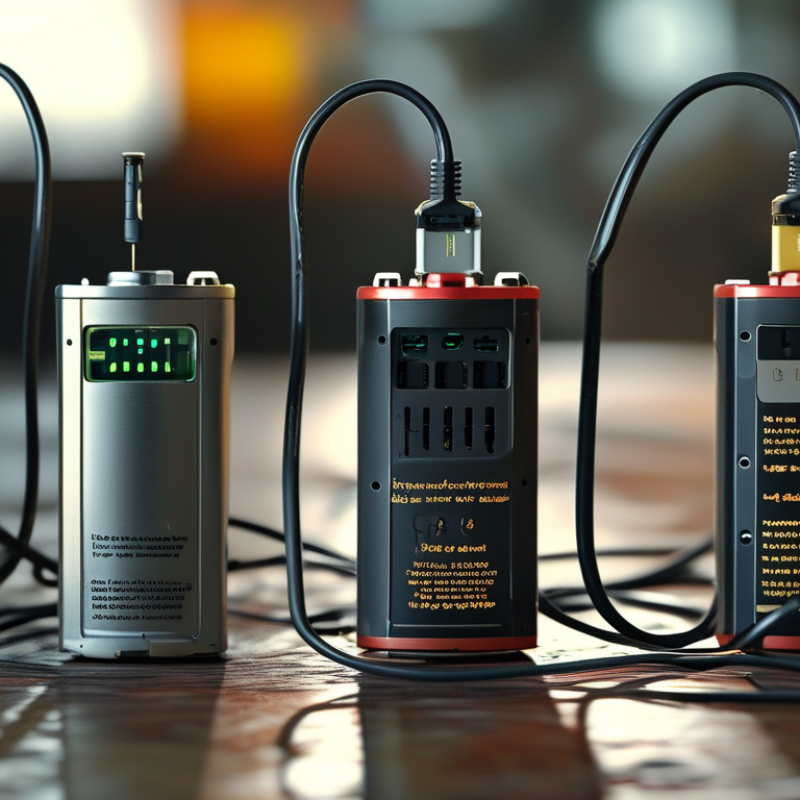
Battery charger reliability is crucial for both consumer satisfaction and device longevity. Research indicates that nearly 30% of electronic device failures are linked to inadequate or unreliable charging systems. A single poor-quality charger can damage batteries, leading to a significant reduction in performance and lifespan. This situation leads to greater costs and waste, underscoring the need for reliable chargers in our technology-driven world.
Manufacturers often overlook charger quality during production. Approximately 40% of faulty chargers tested do not meet safety and performance standards set by industry regulators. This lack of oversight can lead to overheating, overcharging, and eventually, device failure. Moreover, end users may experience safety hazards, including potential fire risks. Trust in charger reliability is essential. Failing to address these issues not only affects individual users but also the entire market.
Long-term reliability in battery chargers is not just an industry concern but a matter of consumer trust and safety. Experts suggest regular evaluations against established benchmarks can improve performance consistency. Yet, many companies hesitate to invest in thorough testing. This short-sightedness can impact a brand's reputation significantly. As technology evolves, maintaining reliable charging solutions remains more important than ever.
Battery chargers play a crucial role in the longevity of rechargeable batteries. Several factors affect their durability and efficiency. One key consideration is the quality of components used in the charger. According to a study by the International Energy Agency, poor components can lead to overheating and short circuits. Chargers equipped with high-quality capacitors and resistors demonstrate significantly lower failure rates.
Another factor influencing longevity is the charging technique employed. Rapid charging methods can degrade battery life over time. Research indicates that maintaining a moderate charging rate extends the lifespan of the battery by up to 30%. Regularly monitoring the temperature is also essential. Maintaining optimal charging temperatures can prevent damage and prolong the charger’s operational life.
Lastly, user behavior impacts charger reliability. Frequent plugging and unplugging can cause wear on connectors. A report from the Battery University states that almost 20% of charger failures are due to connector issues. Proper care, such as avoiding excessive bends in cables, can lead to a noticeable increase in the charger's lifespan. Ensuring the charger is stored in a safe environment also contributes to its durability.
When manufacturing battery chargers, it is essential to prioritize durability. A recent industry report indicates that nearly 30% of battery-related failures are due to charger malfunctions. Thus, adopting best practices during manufacturing is crucial.
Using high-quality materials can significantly impact the lifespan of battery chargers. Choosing robust plastics and corrosion-resistant metals enhances durability. Additionally, ensuring that all connections are secure prevents wear and tear over time. Regular testing, such as thermal and endurance tests, can help identify weaknesses before products hit the market.
One concerning statistic is that over 50% of charger failures happen within the first year. This highlights the importance of quality assurance processes. As manufacturers, it's vital to reflect on design choices and production techniques. Exploring new technologies, such as improved circuit designs, might contribute to greater reliability. Embracing innovation while learning from past failures will lead to better products.
Regular maintenance of battery chargers is crucial for ensuring their longevity. To begin, keep your charger clean. Dust and grime can accumulate and lead to overheating. Use a soft, dry cloth to wipe the surface. This simple step can significantly improve performance. Additionally, check the cables for fraying or damage. A slight wear on cables can make a charger unsafe.
Next, inspect the charging ports. Debris can obstruct connections, so use compressed air to blow out any dirt. Often, we overlook this part, thinking it’s not important. However, a clean connection allows for efficient charging. It might feel tedious, but a few minutes can yield better reliability.
Lastly, don’t ignore the signs of wear. Charge cycles may gradually decrease efficiency, so monitor your charger's performance. If it shows signs of malfunction, like overheating or inconsistent charging, it’s time to act. Reflect on your habits; are you using the charger properly? Small adjustments in usage can lead to better overall care. Remember, a well-maintained charger protects your battery and enhances its lifespan.
Evaluating performance metrics for long-term charger reliability is essential for both manufacturers and consumers. A study by the International Battery Association highlighted that around 85% of charger failures occur due to heat-related issues. This indicates that thermal management is a critical aspect of charger design. Ensuring proper ventilation and using materials that can withstand high temperatures can significantly enhance the durability of battery chargers.
Another important metric to consider is cycle life, which defines how many charging cycles a device can handle before performance degradation. Research shows that the average cycle life for chargers is about 500 cycles. However, high-quality chargers can exceed 1,000 cycles. This variation emphasizes the need for rigorous testing and quality control measures. Regular evaluations can help identify early signs of wear or design flaws.
Furthermore, reliability in electrical performance is a key factor. It involves assessing parameters such as voltage stability and current consistency. A report from the Energy Storage Association pointed out that voltage fluctuations over time can lead to premature charger failure. Inconsistent charging can damage batteries, resulting in reduced performance. Thus, a systematic approach to testing these performance metrics can improve the long-term reliability of battery chargers and ensure user satisfaction.
: Durability prevents charger malfunctions. Nearly 30% of battery failures relate to charger issues.
High-quality plastics and corrosion-resistant metals enhance charger longevity. Robust materials resist wear over time.
Regular testing, including thermal and endurance tests, helps identify weaknesses early. This is crucial for quality assurance.
Cycle life indicates how many times a charger can be used before performance declines. Average life is about 500 cycles.
About 85% of charger failures arise from heat issues. Proper ventilation and heat-resistant materials can improve durability.
It refers to stable voltage and consistent current. Fluctuations can lead to premature charger and battery failures.
Yes, reflection can lead to improvements. Learning from past failures helps create better, more reliable products.
Rigorous testing identifies flaws early. Regular evaluations contribute to enhanced reliability and customer satisfaction.
Embracing new technologies may lead to greater reliability. Continuous innovation is crucial in manufacturing durable chargers.
Yes, unexpected failures can occur. It's vital to address these challenges through improved practices and feedback loops.
Ensuring the long-term reliability of battery chargers is essential for maintaining efficient operation and user satisfaction. To achieve this, it is crucial to understand the various factors influencing charger longevity, including design quality, materials used, and environmental conditions. Best practices in manufacturing durable battery chargers can significantly enhance their lifespan, necessitating the use of robust components and innovative designs.
In addition to careful manufacturing, regular maintenance plays a vital role in extending charger lifespan. This includes periodic inspections, cleaning, and following manufacturer guidelines for use. Furthermore, evaluating performance metrics, such as charge efficiency and thermal management, can provide insights into a charger’s reliability over time. Ultimately, understanding "how to maintain battery chargers for long-term reliability" will ensure optimal performance and minimize the need for replacements.

E-Tronde Charger