How to Fix a Lithium Battery Charger Getting Hot During Use?

Time:2026-08-06 Author:Henry
0%

Understanding the question, "Why is my lithium battery charger getting hot during use?" is crucial for users. Dr. Jane Thompson, a leading expert in battery technology, explains, "Heat generation in battery chargers can indicate issues with efficiency or design." When a charger overheats, it may signal potential dangers, such as reduced lifespan or performance.

Lithium battery chargers are designed to deliver power efficiently. However, excessive heat can arise due to various factors. Poor ventilation, charger design, or defective batteries can all contribute to this issue. Users must be vigilant and observe their chargers closely. Regular inspection can help identify signs of wear or malfunction before they become serious.

Addressing overheating requires knowledge and caution. It’s essential to take steps to improve ventilation. Avoid using chargers in enclosed spaces. Sometimes, even minor adjustments can prevent heat buildup. Reflecting on one’s charging habits can also unveil simple solutions to enhance safety and performance.
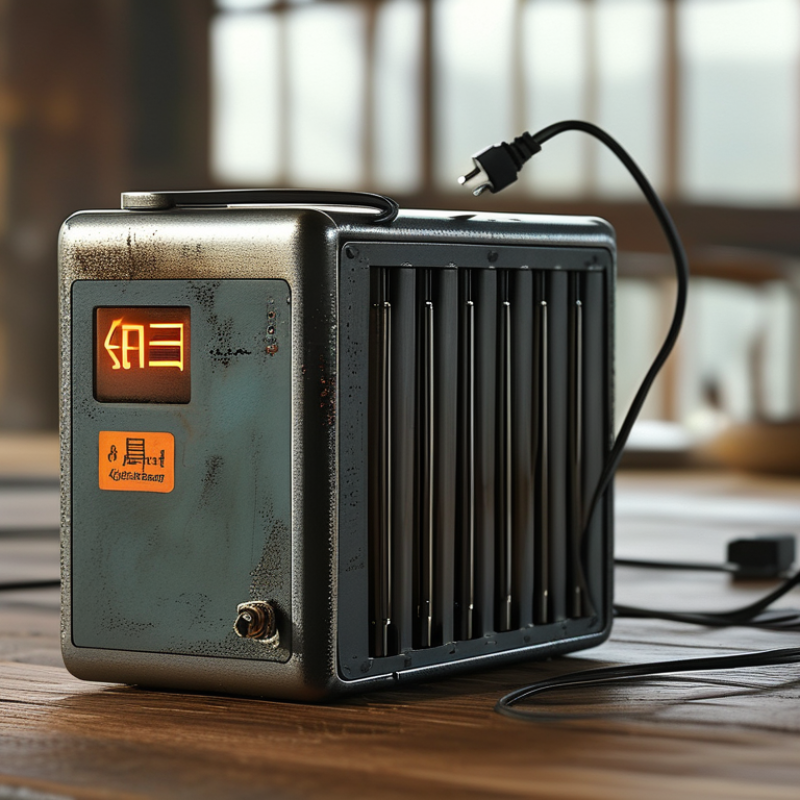
How to Fix a Lithium Battery Charger Getting Hot During Use?

Understanding the Causes of Overheating in Lithium Battery Chargers

Lithium battery chargers may become hot during use for various reasons. One primary cause is poor ventilation. If a charger is placed in a confined space, heat cannot dissipate. This heat buildup can lead to overheating. Users should ensure chargers are placed in well-ventilated areas.

Another factor is the charger’s design. Cheap components may not handle power loads effectively, generating excess heat. It's essential to invest in chargers with quality materials. Regularly inspect the charger for signs of wear or damage. Over time, even quality chargers could begin to malfunction.

Charging cycles can also impact temperature. Continuous use without breaks can lead to increased heat. Users should consider allowing chargers to cool down between uses. Keeping track of how long a charger is in use can help identify overheating issues. Addressing these causes can enhance safety and improve charger performance over time.

Identifying Signs of a Faulty Lithium Battery Charger

Recognizing signs of a faulty lithium battery charger is crucial for safety and performance. High temperatures during use are a major warning signal. According to the Battery University, temperatures exceeding 60°C (140°F) can harm lithium batteries and pose fire risks. If your charger becomes excessively hot to the touch, it could indicate internal short-circuiting or damaged components.

Another red flag is the presence of strange noises. A faulty charger might emit buzzing or crackling sounds. This can be due to faulty circuitry within the charger. Additionally, watch for unusual smells. A burnt odor signifies overheating or internal damage. Regularly inspect your charger for physical damages like frayed wires or discoloration. Signs of corrosion near terminals often lead to poor conductivity.

Data from the International Energy Agency shows that lithium battery failures account for nearly 15% of battery incidents. Simple precautions, such as not covering chargers during use, can mitigate risks. If your charger consistently struggles to maintain stable performance, reconsider its reliability. Ignoring these signals can lead to more severe consequences. Prioritizing safety should always come first.

How to Fix a Lithium Battery Charger Getting Hot During Use? - Identifying Signs of a Faulty Lithium Battery Charger

Signs of a Faulty Charger Possible Causes Recommended Actions
Overheating Internal short circuit Disconnect the charger immediately and replace it.
Unusual noises Loose components Inspect and tighten connections; consult a professional.
Flashing LED indicators Voltage issues Test the charger with a multimeter; replace if necessary.
Burning smell Overcharging Stop using the charger; dispose of it safely.
Rapidly declining performance Aging components Consider replacing the charger; check battery compatibility.

Steps to Safely Cool Down an Overheated Charger

Overheating of lithium battery chargers is a common issue. It raises safety concerns among users. The initial step is identifying the cause. Conduct a visual inspection for any damage or debris. A thorough review of connections can uncover potential issues. Regular maintenance is crucial in ensuring optimal performance.

If the charger is already hot, cooling it down safely is vital. One effective method is to remove it from the power source. After disconnecting, wait for at least 30 minutes before using it again. This allows the internal components to cool down adequately. According to industry reports, chargers can reach temperatures exceeding 70°C when overheating. Such high temperatures may damage both the charger and the battery itself.

Another practical tip is to ensure proper ventilation. Place the charger in an open area to facilitate airflow. Avoid covering it, as trapped heat could worsen the situation. Additionally, consider monitoring the charging duration. Allowing chargers to operate for extended periods can lead to overheating as well. Regularly review your charging habits to identify changes needed for safety.

Best Practices for Proper Use of Lithium Battery Chargers

Proper use of lithium battery chargers is crucial to avoid overheating. Research indicates that temperatures above 60°C can damage battery chemistry, leading to reduced lifespan and performance. Regularly inspecting the charger for damage and ensuring it is ventilated during use can significantly lower the risk of overheating.

It's important to match the charger with the specific battery type. Using the wrong charger can lead to excessive heat generation. A 2021 study noted that mismatched chargers could raise temperatures by up to 30%. This highlights the need for careful selection.

Monitoring charging environments is also essential. Avoid charging in direct sunlight or near heat sources. Doing so can exacerbate heating issues. Users should also refrain from covering chargers with any materials during operation. Despite these best practices, some chargers may still overheat, prompting the need for user vigilance and periodic assessments of their equipment.

When to Seek Professional Help for Charger Issues

Charging a lithium battery can generate heat. This is normal, but excessive heat indicates a problem. If your charger becomes too hot to touch, it may signal an underlying issue. Consider checking the power source and connections. Ensure that there isn’t any dust or debris blocking airflow. Even slight obstructions can trap heat.

When heat becomes concerning, seek help. Professional technicians can diagnose and repair complex issues. They will check internal components, ensuring safe operation. If the charger emits a burning smell or shows physical damage, stop using it immediately. Trust your instincts; safety is paramount. Ignoring these signs can lead to more severe problems.

Sometimes, chargers may experience failures due to age or misuse. Repeated overheating can wear down components. Reflect on usage habits carefully. If you find that overheating is recurrent, consider consulting a professional sooner rather than later. Prevention is the best course of action. A small investment in expertise can save you from larger, costlier repairs down the road.

FAQS

: Why do lithium battery chargers overheat?

: Overheating can occur due to poor ventilation or charger design. Ensure chargers are placed in open areas.

What are signs of a faulty lithium battery charger?

High temperatures, strange noises, and unusual smells are major warning signals of a faulty charger.

How can I cool down an overheated charger safely?

Disconnect it from the power source and wait at least 30 minutes before using it again.

How does continuous use affect charger temperature?

Continuous use without breaks can generate excessive heat. Allow time for the charger to cool down.

What should I inspect for potential charger damage?

Regularly check for wear and tear, frayed wires, discoloration, or corrosion near terminals.

Can I use a charged battery if the charger is hot?

It’s best to wait until the charger cools down. Using a hot charger may risk damage to batteries.

How does charger quality impact overheating?

Cheap components may not handle loads well, leading to heat buildup. Investing in quality materials is essential.

What if my charger emits strange noises?

Buzzing or crackling sounds may indicate faulty circuitry. It’s crucial to stop using it immediately.

Should I cover my charger while it's in use?

No, covering it can trap heat. Always ensure your charger is in a well-ventilated area.

How often should I check my charging habits?

Regularly review your charging duration and conditions to prevent overheating. Adjust as needed for safety.

Conclusion

Understanding why your lithium battery charger is getting hot during use is crucial for safe and effective charging. Overheating can result from several factors, including poor ventilation, overloading the charger, or internal faults. Recognizing signs of a faulty charger, such as excessive heat or a burning smell, is vital to prevent potential hazards.

If your charger overheats, it’s important to follow steps for safely cooling it down, such as turning it off and allowing it to rest in a well-ventilated area. Adhering to best practices, such as using the charger in suitable conditions and avoiding overcharging, can help prevent overheating issues in the future. However, if problems persist, seeking professional help is advisable to ensure both the charger and battery remain in safe working condition.

Henry

Henry

Henry is a dedicated marketing professional with a profound expertise in the company's offerings. With years of experience in the industry, he possesses an impressive understanding of the market dynamics and consumer behaviors that drive success. Henry is committed to sharing his insights through......