In today's fast-paced technology landscape, ensuring the safety of chargers is paramount. As the demand for high-quality chargers grows, so does the need to identify what are the safety certifications for high-quality chargers. According to a recent industry report, over 90% of consumers prioritize safety when selecting electronic accessories. This highlights the importance of understanding certifications that signal quality and safety.
Many chargers claim to be safe, but not all meet the necessary industry standards. The presence of certifications such as UL, CE, and FCC can be indicators of reliability and performance. These certifications often require rigorous testing to ensure chargers meet safe operating conditions. However, consumers sometimes overlook these details, which can lead to potential hazards like overheating or electrical failures.
The charger market is filled with options, yet not all meet strict safety guidelines. Investigating safety certifications can be complex. Not every manufacturer is transparent about their compliance, adding another layer of confusion. Therefore, consumers must be vigilant and informed. The right certifications can protect users and ensure longevity in their devices. Exploring this topic can empower consumers to make better purchasing decisions.
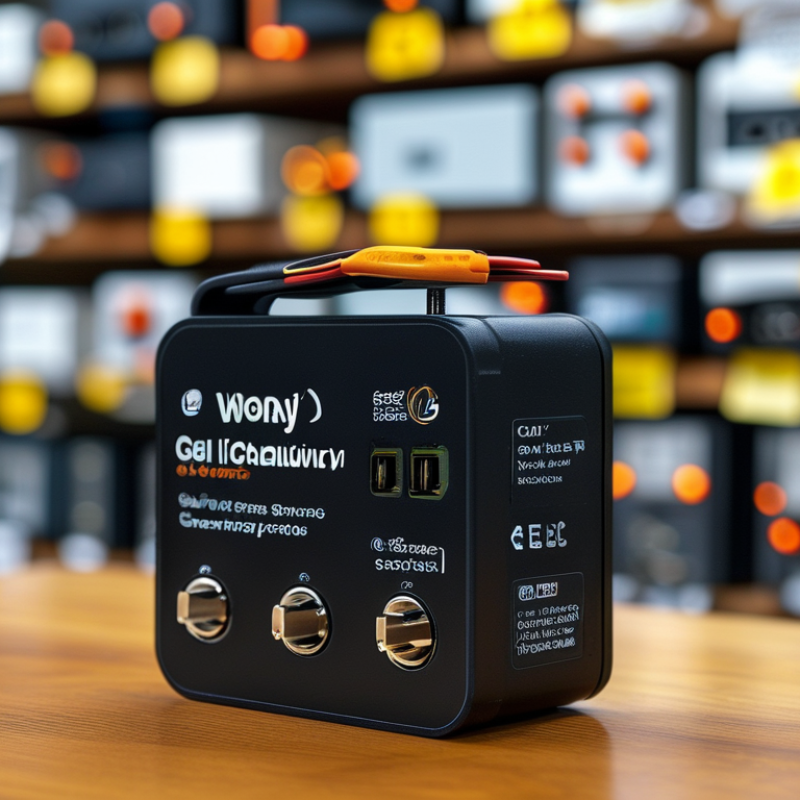
When considering chargers, safety certifications are crucial. These certifications ensure that products meet stringent safety standards. According to a report by the International Electrotechnical Commission (IEC), over 30% of consumer injuries in electronics arise from unsafe chargers. Proper certifications reduce this risk.
Understanding these certifications can be overwhelming. Various organizations, like Underwriters Laboratories (UL) and the Institute of Electrical and Electronics Engineers (IEEE), evaluate chargers. They assess components, design, and overall safety. A charger with UL certification, for example, indicates that it has undergone rigorous testing. The data suggests that certified chargers have 50% fewer malfunctions compared to non-certified ones.
Not all chargers are created equal. Many products may appear similar, but the presence of a certification mark significantly impacts safety. Users often overlook this detail. They might choose cheaper alternatives that lack proper certifications. Investing in certified chargers is not just about performance; it's about protection.
| Certification | Description | Importance | Common Applications |
|---|---|---|---|
| UL Certification | Underwriters Laboratories certification ensuring safety standards for electrical devices. | Reduces risk of fire and electric shock; trusted by consumers. | Household chargers, power adapters. |
| CE Marking | Indicates conformity with health, safety, and environmental protection standards in Europe. | Required for market access within the European Economic Area. | Chargers sold in Europe, electronic devices. |
| FCC Certification | Federal Communications Commission certification for electronic devices to prevent harmful interference. | Ensures the product does not emit harmful electromagnetic interference. | Chargers and communication devices. |
| RoHS Compliance | Restriction of Hazardous Substances directive that limits the usage of specific hazardous materials. | Promotes environmentally friendly manufacturing practices. | Electronics and chargers across the globe. |
| PSE Mark | Product Safety Electrical certification for electrical appliances in Japan. | Required for legality in the Japanese market. | Chargers and power supply units in Japan. |
: Safety certifications indicate that a charger has undergone testing for safety and quality.
UL certification ensures the charger meets specific safety standards after rigorous testing.
CE certification indicates compliance with European safety standards, ensuring safe usage in Europe.
FCC certification addresses electromagnetic interference, ensuring chargers do not disrupt other devices.
Yes, not all certified chargers guarantee high quality. Always investigate certification details.
Look for recognized safety certifications and ask for documentation like test reports.
High-quality materials reduce fire risks and ensure safety features like over-current protection are present.
Non-certified chargers can overheat, cause damage, and increase the risk of electrical failures.
Unregulated voltage from non-certified chargers may shorten battery lifespan and lead to malfunctions.
Always prioritize certified chargers to enhance safety and protect your devices. Small choices matter.
In today's technology-driven world, understanding safety certifications for chargers is crucial for ensuring device safety and performance. A quality charger should feature recognized safety certifications, which indicate compliance with specific safety standards. Common certification labels to look for include UL, CE, FCC, and RoHS, as these reflect rigorous testing procedures that guarantee the charger's reliability. To ensure that these certifications are legitimate, consumers should verify the certification labels on charger products, inspecting for proper documentation and manufacturer compliance.
The impact of using non-certified chargers can be significant, posing risks such as overheating, device damage, and potential safety hazards. Therefore, recognizing what are the safety certifications for high-quality chargers allows consumers to make informed decisions when purchasing chargers, ultimately protecting their devices and ensuring a reliable charging experience. Prioritizing safety certifications fosters a safer electronic environment for all users.

 E-Tronde Charger