As winter approaches, many people wonder, "Can I leave a smart charger plugged in all winter?" This common question arises from growing concerns about energy efficiency and safety. Smart chargers are designed to manage battery health by regulating power delivery. However, their behavior may change in cold temperatures.
Leaving a charger plugged in when not in use can pose risks. Some chargers may overheat or malfunction over extended periods. It's crucial to note that older models might not have the same safety features. Think about your specific charger and its guidelines.
Ensuring that devices remain safe while plugged in requires attention. Regular checks can help prevent accidents or device damage. While it’s convenient to keep chargers plugged in, being mindful can optimize safety and efficiency.
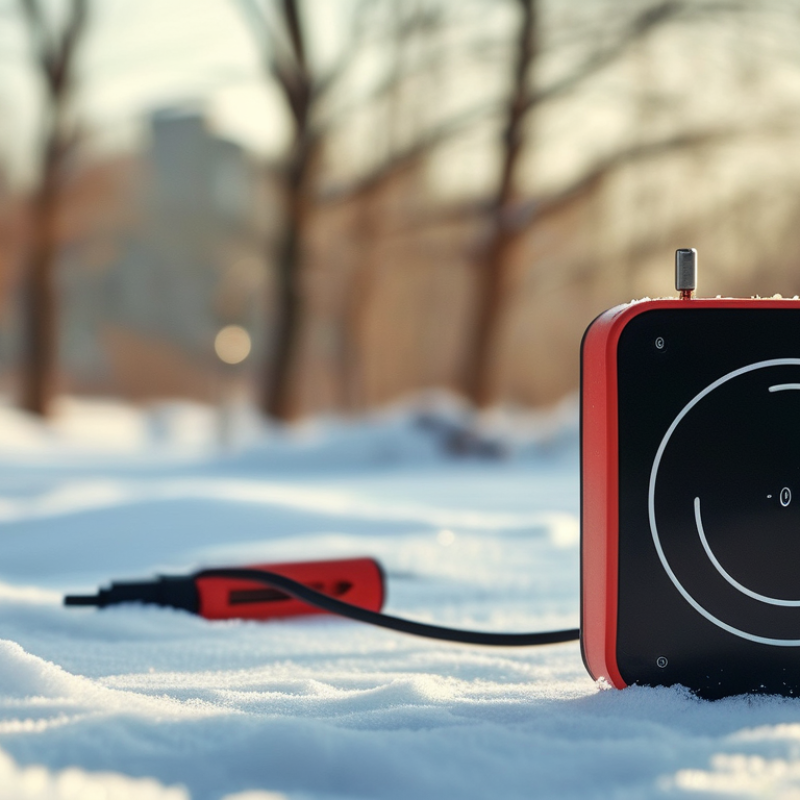
Smart chargers have gained popularity due to their ability to optimize energy consumption while maintaining device health. These chargers possess sophisticated components such as microcontrollers and power management chips. According to a report by the International Energy Agency, smart chargers can reduce energy loss by up to 20%. This efficiency demonstrates their potential benefits during extreme weather, such as winter months.
However, continuous use of a smart charger during winter poses challenges. Cold temperatures can affect battery chemistry, and ensuring your charger adapts to these shifts is crucial. Studies suggest that lithium-ion batteries, commonly used in devices, can degrade faster when left plugged in, especially in sub-zero temperatures. It's essential to monitor both charger and device performance over time, assessing if any unexpected issues arise.
Many users overlook the significance of a charger’s heat generation. Even smart chargers may generate heat, which can stress the internal components when used excessively. Issues like thermal throttling may prevent your device from charging efficiently. Therefore, regularly checking the charger’s condition will not only prolong its lifespan but also safeguard your devices, ensuring they perform optimally throughout winter.
Keeping your smart charger plugged in during winter raises safety considerations that are often overlooked. Research shows that overcharging can happen when devices remain connected longer than necessary. According to industry reports, about 20% of electronic device fires result from improper charging practices. This statistic underscores the importance of being mindful about your charging habits.
Moreover, extreme cold can affect battery performance and longevity. Batteries can lose about 20% of their capacity in low temperatures. This means that leaving a charger plugged in while the device is not in use could render those devices less efficient or even damaged over time. It’s essential to consider the unplugging of chargers when devices reach full charge.
When evaluating the safety of smart chargers, one should be cautious of heat generation. A report from the National Fire Protection Association highlights that chargers generating significant heat can become a fire risk. It’s crucial to monitor any unusual warmth when the charger is plugged in. While smart chargers are designed for convenience, balancing usage with safety protocols is necessary. There is always room for improvement in how we use technology safely.
| Safety Factor | Description | Recommendation |
|---|---|---|
| Overheating | Smart chargers can generate heat, especially if they are used continuously. | Ensure proper ventilation around the charger. |
| Moisture Exposure | Winter conditions can increase moisture levels, leading to corrosion. | Use chargers in dry conditions; avoid wet areas. |
| Energy Consumption | Keeping chargers plugged in may lead to unnecessary energy use. | Unplug when not in use, or use a smart power strip. |
| Fire Hazard | Faulty chargers can pose a fire risk if left unattended. | Regularly inspect chargers for damage or wear. |
| Device Compatibility | Not all smart chargers are suitable for prolonged use with all devices. | Check device specifications before keeping chargers plugged in. |
Winter temperatures can significantly affect the performance of smart chargers. When exposed to freezing conditions, the charger’s internal components may become less efficient. Cold temperatures can lead to slower charging times and can even impact the device being charged. Many users may not realize that leaving a smart charger plugged in all winter might not be safe.
During colder months, it's essential to monitor the surrounding environment. If you live in an area with extreme cold, consider switching off the charger when not in use. This precaution protects both the charger and the devices connected to it. Keeping the charger in a warm area can help maintain optimal performance. However, frequent unplugging can raise concerns about wear and tear on the outlet.
While smart chargers are designed to manage power, prolonged exposure to freezing conditions can lead to potential damage. Some users might find that the smart features are less responsive or that the charger behaves unpredictably. It's a good idea to test the charger periodically during winter. Always pay attention to any unusual signs, as they can indicate a need for replacement or service.
When considering whether to keep your smart charger plugged in all winter, safety should be a priority. Extreme cold can affect the efficiency of your charger and even lead to potential issues. For instance, if you notice frayed cords or any unusual warmth, it’s time to unplug the device. Regularly inspecting your charger ensures it’s functioning properly and safely throughout the snowy months.
Keeping your charger plugged in overnight can be handy, but it isn’t without risks. Over time, electrical surges can occur, especially during winter storms. These surges may damage your charger or the device it powers. It's wise to invest in a surge protector. This small step can prevent costly repairs and enhance your charger’s longevity. Pay attention to the environment too; avoid plugging it into an outlet that may experience water exposure or ice buildup.
Ultimately, moderation is key. While convenience is great, prioritize safety by unplugging devices when they're not in use. If you frequently charge devices during winter, consider creating a designated area that minimizes risks. This area should be dry and well-ventilated to ensure proper functioning. Your attention to these details can make all the difference in enjoying a seamless winter charging experience.
Cold weather can affect the performance of smart chargers significantly. When temperatures drop, you might notice your charger behaving unpredictably. For instance, industry reports indicate that extreme temperatures can cause lithium-ion batteries to lose charge capacity by up to 20%. This reduction can lead to malfunctioning chargers. Monitoring how your charger functions during frigid months is essential.
Watch for dimming or flickering lights. These are common signs of an issue. Abnormal warmth when charging is another red flag. If the charger feels excessively hot, it could indicate a failure. In some studies, nearly one in five chargers was reported to show these warning signs during winter. Regularly examining your charger aids in identifying potential threats early on.
Moreover, relying on the charger all winter can pose hazards. As temperatures fluctuate, materials might expand or contract. This inconsistency can lead to electrical shorts or even fires in rare cases. Awareness of these risks helps in taking preventive measures. Keep an eye on your charger and address issues promptly to ensure safety.
This chart illustrates the battery efficiency at various temperatures, highlighting how temperatures affect the performance of batteries during winter months. As temperatures drop, efficiency decreases significantly, underscoring the importance of monitoring your smart charger's performance in cold weather.
: Cold temperatures can reduce a charger’s efficiency, leading to slower charging times.
Leaving it plugged in may not be safe; monitor the environment and unplug when necessary.
Look for frayed cords, unusual warmth, or unresponsive smart features as potential signs of problems.
Yes, unplugging helps prevent damage and maintains safety, especially in extreme cold.
Yes, electrical surges during storms may damage chargers or the devices they power.
Invest in a surge protector and ensure the charger is in a dry, well-ventilated area.
Test your charger regularly and consider replacement if you notice any unusual behavior.
Yes, plugging and unplugging can cause wear and tear on outlets over time.
Consider switching off the charger when not in use to protect it from cold damage.
Moderation and attention to your charging environment can enhance safety and efficiency.
When considering the question, "Can I leave a smart charger plugged in all winter," it's essential to understand the functionality and components of smart chargers, which are designed to manage power efficiently. However, safety should always be a priority; extreme winter temperatures can affect charger performance and lead to potential hazards.
To ensure safety, it's recommended to monitor the charger’s environment and unplug it during prolonged periods of inactivity in freezing conditions. Additionally, one should be aware of any signs that indicate malfunction, such as unusual heating or unusual noises, especially in cold weather. By following best practices, users can maintain safety while utilizing smart chargers throughout the winter season without concern.

E-Tronde Charger