Can I Leave My Smart Charger Plugged in All Winter Safely?

Time:2026-05-16 Author:Charlotte
0%

As winter approaches, many people wonder, "Can I leave a smart charger plugged in all winter?" The answer is not as straightforward as one might think. Industry experts emphasize the importance of safe charging practices. According to a report from the National Fire Protection Association, over 30,000 home fires are linked to electrical issues each year. Leaving a charger plugged in can be risky.

Dr. Emily R. Thompson, an expert in electrical safety, notes, "Inconsistent charging habits can lead to battery degradation." While smart chargers are designed to minimize risks, they can still generate heat. During colder months, this heat could lead to thermal issues if left unattended. It's essential to evaluate the environment around your charger and understand its limitations.

While it may feel convenient to leave chargers plugged in, a little caution goes a long way. Prices for high-quality chargers vary significantly, with reliable models starting as low as $10. Ensure you invest in quality devices. Paying attention to these factors will help you make informed choices this winter.
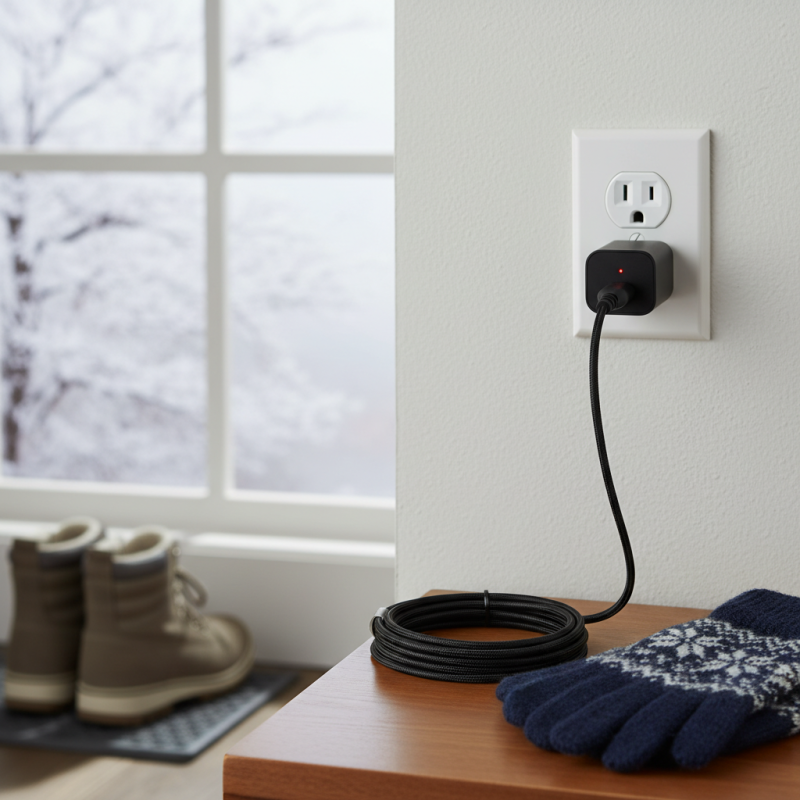
Can I Leave My Smart Charger Plugged in All Winter Safely?

Understanding Smart Chargers and Their Functionality

Smart chargers are designed to manage charging efficiently. They monitor your device's battery status. This ensures that devices charge optimally and prevents overcharging. Research from the National Renewable Energy Laboratory emphasizes that smart chargers can reduce energy waste by up to 30% compared to standard chargers. The smart functionality not only saves energy but also extends battery life.

Leaving a smart charger plugged in all winter can pose risks. While these devices are generally safe, issues like power surges can occur during extreme weather. The Department of Energy suggests unplugging chargers when not in use, especially during winter storms. This can help avoid potential accidents.

Tips: Always check your charger for any signs of wear and tear. A damaged charger can be a fire hazard. Alternatively, consider using smart power strips that can cut off power automatically. This adds a layer of safety and ensures energy efficiency. Remember, staying informed about the functionality of your devices is key to safe usage.

Potential Risks of Leaving Chargers Plugged in for Extended Periods

Leaving your smart charger plugged in for an extended period can pose several potential risks. Over time, chargers generate heat. This excess heat can damage your devices or the charger itself. A malfunctioning charger may not stop drawing power. This could lead to increased electricity bills and even hazards.

Battery health is another important consideration. Leaving devices charged for too long can degrade battery capacity. Many modern devices have safeguards, but these are not foolproof. A charger left plugged in all winter can create a cycle of charging and discharging that stresses the battery.

Think about your home’s safety too. An unattended charger can become a fire hazard. Regular maintenance and checking for wear can help. Still, it’s wise to unplug chargers when not in use. Being mindful of how these devices operate can protect your electronics and promote energy efficiency.

Best Practices for Safe Charger Storage During Winter Months

During winter months, it’s crucial to consider how to store your smart charger properly. Leaving it plugged in can lead to several risks, especially in cold conditions. According to a recent report by the Consumer Electronics Association, over 30% of device malfunctions in winter arise from improper charging practices. Cold weather can affect battery performance and lead to overheating if the charger is not compatible with such temperatures.

Storing your charger safely involves unplugging it when not in use. This reduces the risk of electrical fires, which can increase during winter due to overloaded circuits. The National Fire Protection Association notes that electrical failures account for approximately 13% of home fires in colder months. Additionally, detaching the charger prevents phantom loads, which can waste energy and contribute to higher energy bills.

Keep your charger in a dry, temperate environment. Moisture and extreme cold can easily damage the connectors and internal circuitry. A temperature range between 32°F and 77°F is ideal for electronic devices. For those using multiple chargers, organizing them can help prevent confusion and misplaced items, ensuring you don’t inadvertently leave a charger connected during winter storms.

Indicators of Malfunctioning Chargers and Safety Precautions

Leaving a smart charger plugged in for an extended time can pose risks. Understanding the signs of a malfunctioning charger is essential for safety. Look for frayed wires or discoloration, as these can indicate damage. If your charger becomes unusually warm, this is a red flag. A charger should warm up slightly during use, but excessive heat is a concern.

Regularly inspect your chargers. If you notice any strange smells, it might mean something is wrong. Do not ignore these signs. A faulty charger can lead to electric shocks or fires. Always unplug chargers when not in use, especially during winter.

Consider using smart plugs with timers. This allows for automatic shutdowns after charging is complete. Remaining vigilant can reduce risks. Remember to keep chargers away from moisture. Winter conditions can increase the chance of accidents. By being aware of these factors, you can ensure a safer charging experience.

Can I Leave My Smart Charger Plugged in All Winter Safely? - Indicators of Malfunctioning Chargers and Safety Precautions

Indicator Description Safety Precaution
Overheating The charger feels excessively hot to the touch. Unplug the charger immediately and inspect for damage.
Burning Smell A noticeable burning odor is present near the charger. Disconnect the charger and discontinue use; consider replacement.
Frayed Cables The charging cable is damaged or fraying. Stop using and replace the cable to prevent hazards.
Intermittent Charging The device does not charge consistently when plugged in. Check connections; replace charger if the problem persists.
Excessive Noise Unusual sounds such as buzzing or clicking originate from the charger. Unplug the device and consider replacing the charger.
Inconsistent Light Indicator Charging indicator light does not behave as expected. Test with another device or charger; replace if faulty.

Tips for Maintaining Battery Health While Using Smart Chargers

When using smart chargers, maintaining battery health is crucial. Lithium-ion batteries, which power most devices, age faster when exposed to high temperatures or kept at full charge for extended periods. Research indicates that storing a battery at room temperature and at around a 40-60% charge can preserve its lifespan significantly. A study found this method could potentially extend the battery's life by up to 40%.

Smart chargers can help manage charging efficiently. These devices monitor battery levels and reduce power flow when fully charged. However, keeping the charger plugged in all winter may still lead to issues. Despite smart technology, batteries can experience minor degradation over time due to constant conditioning. It’s advisable to periodically unplug the charger and allow the battery to discharge a little to ensure optimal health.

Moreover, be aware of environmental conditions. Extremely cold weather can cause batteries to perform poorly. If possible, store devices in a temperature-controlled space. Maintaining a proper charging routine will not only help extend battery life but also improve performance over time. Batteries deserve better care, and that starts with understanding their needs.

FAQS

: What are smart chargers designed to do?

: Smart chargers manage charging efficiently by monitoring battery status. They prevent overcharging and optimize energy use.

How can smart chargers affect battery life?

Smart chargers can extend battery life by reducing energy waste. They help maintain optimal charging conditions.

Is it safe to leave smart chargers plugged in during winter?

While generally safe, it’s risky to leave chargers plugged in during extreme weather. Unplug them to avoid power surge issues.

What should I check on my charger regularly?

Always inspect your charger for wear and tear. A damaged charger poses a serious fire hazard.

How can I maintain battery health with smart chargers?

Keep lithium-ion batteries at room temperature and 40-60% charge. This method can extend battery lifespan significantly.

Can smart chargers completely stop battery degradation?

No, even smart chargers cannot prevent all battery degradation. Batteries may still degrade over time with constant use.

Should I unplug my charger sometimes?

Yes, periodically unplugging the charger allows the battery to discharge a little, promoting optimal health.

How does temperature affect battery performance?

Extremely cold conditions can impair battery performance. Store devices in temperature-controlled areas for better results.

Why is informing myself about charger functionality important?

Understanding charger functionality is key to safe usage. It helps in preventing hazards and extending device longevity.

What can be done to ensure energy efficiency?

Using smart power strips can cut off power automatically, enhancing safety and energy efficiency in your devices.

Conclusion

In addressing the question, "Can I leave a smart charger plugged in all winter?" it's essential to understand how smart chargers operate and their potential risks when left connected for extended periods. While these devices offer convenience, they can pose risks like overheating or fire hazards if not monitored properly. Best practices include unplugging the charger during prolonged periods of inactivity, storing it in a dry location, and regularly checking for any signs of malfunction.

To maintain battery health while using smart chargers, it's advisable to practice moderation, such as charging only when necessary and following manufacturer guidelines. By being vigilant about the condition of your charger and adhering to proper storage practices during the winter months, you can mitigate potential risks and ensure the longevity of both the charger and your devices.

Charlotte

Charlotte

Charlotte is a seasoned marketing professional with a deep understanding of the company's portfolio and a passion for elevating its presence in the market. With a keen eye for detail and a commitment to excellence, she ensures that our professional blog is regularly updated with insightful articles......