Charging new energy vehicle (NEV) batteries at home is becoming increasingly popular. It offers convenience and usually lower costs compared to public charging stations. However, how to safely charge new energy vehicle batteries at home requires careful consideration. Mishandling can lead to serious risks, including fire or battery damage.
Many users overlook safety protocols when charging. Understanding these protocols is essential. Charging areas should be well-ventilated and free from flammable materials. Using a dedicated circuit for charging can enhance safety as well. Regular inspection of charging equipment is crucial for ensuring reliability and performance.
Educating yourself about your vehicle’s battery specifications can also improve safety. This knowledge allows you to avoid using incompatible chargers. Remember, safety should never be taken for granted. Mistakes can happen, and being aware of these pitfalls is vital for any NEV owner. Implementing safe practices not only protects the vehicle but also ensures peace of mind for you and your family.
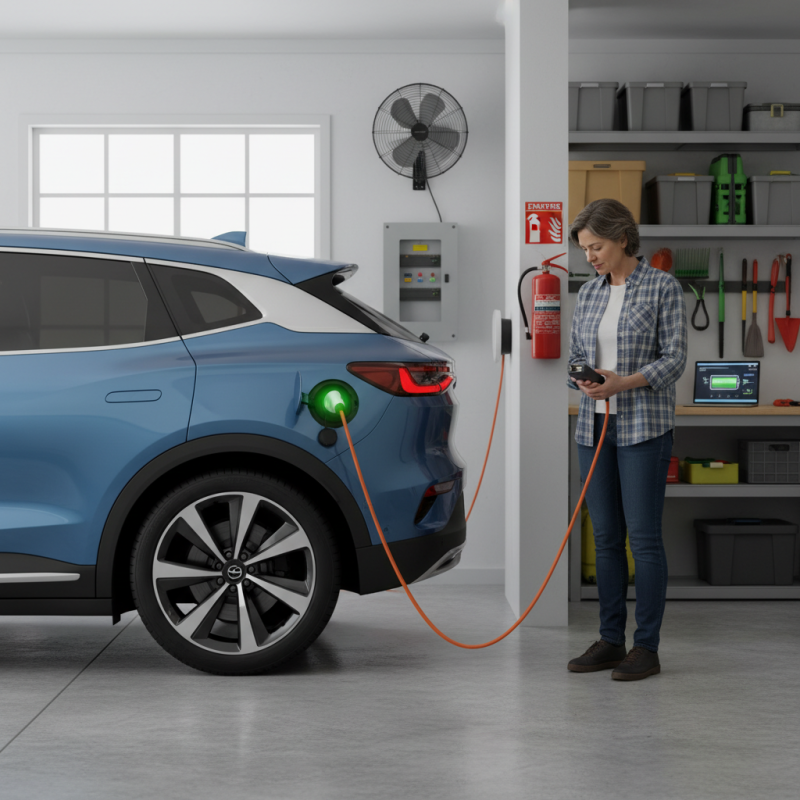
Understanding your new energy vehicle (NEV) battery requirements is essential for safe charging at home. The battery size and type determine how you should charge it. Most NEVs use lithium-ion batteries, known for their efficiency and longevity. However, their charging needs vary greatly. Always check the specifications provided in your vehicle manual.
Pay attention to the charging voltage and amperage. A standard home outlet may not provide adequate power for fast charging. Some vehicles may require a Level 2 charging station for optimal performance. Consider the length of your charging cable as well. Long cables can lead to voltage drops, causing inefficient charging and potential overheating.
It's also important to maintain battery health. Battery management systems offer notifications about battery status. Ignoring these alerts can shorten battery life. Try not to let the battery drop below 20% or exceed 80% charge regularly. This practice can improve both safety and longevity. Safe charging doesn't end with correct setups; regular checks on your charging equipment are necessary. Look for wear and tear on cables and connectors. These details matter in ensuring a safe and effective charging process.
| Tip Number | Tip Description | Importance | Implementation Difficulty |
|---|---|---|---|
| 1 | Use a dedicated home charging station. | High | Medium |
| 2 | Charge during off-peak hours. | Medium | Low |
| 3 | Regularly check the charger and cables for damage. | High | Medium |
| 4 | Avoid charging in extreme temperatures. | High | Low |
| 5 | Use appropriate extension cords if necessary, but avoid long ones. | Medium | Medium |
| 6 | Monitor battery temperature during charging. | High | Medium |
| 7 | Avoid using the vehicle while charging. | Medium | Low |
| 8 | Keep the charging area well-ventilated. | High | Medium |
| 9 | Do not overload electrical circuits. | High | Medium |
| 10 | Follow the manufacturer’s charging instructions. | High | Low |
: Check your vehicle's specifications to confirm compatibility with the charger. Not all chargers work with every model.
A slower charger can be more effective for daily use. Fast charging may reduce battery life over time.
Qualified electricians ensure safety and compliance. Improper installation can lead to hazards and electrical fires.
Invest in a smart charger for convenience. Evaluate whether programmable features fit your charging habits before buying.
Maintain a clean area, use a surge protector, and keep flammable materials away from the charging station.
Regular inspections for wear, loose connections, or frayed wires are crucial. These can help prevent serious risks.
Unplug the vehicle immediately if you smell smoke or see sparks. Keep a fire extinguisher nearby for safety.
Yes, extreme heat or cold can impact battery health. Charge your vehicle in a temperature-controlled environment for best results.
Use timers to control charging schedules. This helps avoid overheating and maximizes efficiency during charging.
Consult professional services to check home wiring. Fluctuations can indicate deeper technical problems that need attention.
Charging new energy vehicle batteries at home requires careful consideration to ensure safety and efficiency. First, it's essential to understand your vehicle's battery requirements, including voltage and amperage, to choose the right home charging station. Setting up your charging station properly is critical; ensure it is installed in a well-ventilated area, away from hazards, and adheres to electrical standards.
Additionally, monitoring the charging duration and battery health is crucial in prolonging the battery's life. Regular checks can prevent overcharging and overheating, which are potential safety concerns. In case of charging failures or issues, having a clear emergency procedure can help mitigate risks. Overall, learning how to safely charge new energy vehicle batteries at home involves knowledge, preparation, and attentiveness to create a secure charging environment.

 E-Tronde Charger