As electric vehicles (EVs) gain popularity, understanding how to safely charge new energy vehicle batteries at home becomes crucial. According to a report by the International Energy Agency, the number of electric cars on the road surpassed 10 million in 2020, marking a significant increase. This trend underscores the need for effective charging solutions that mitigate potential hazards.
Charging at home offers convenience, yet it comes with risks. Improper charging practices can lead to fires, equipment damage, or battery degradation. A study from the National Fire Protection Association highlighted that nearly 25% of residential fires are linked to electrical malfunctions. This reality emphasizes the importance of following safety protocols when charging EV batteries at home.
To ensure a safe charging experience, proper equipment is essential. Use a certified charger designed specifically for your EV model. Regularly check for wear and tear, as damaged cables can pose serious risks. Taking these steps not only protects your investment but also enhances overall safety. Therefore, understanding how to safely charge new energy vehicle batteries at home is more important than ever.
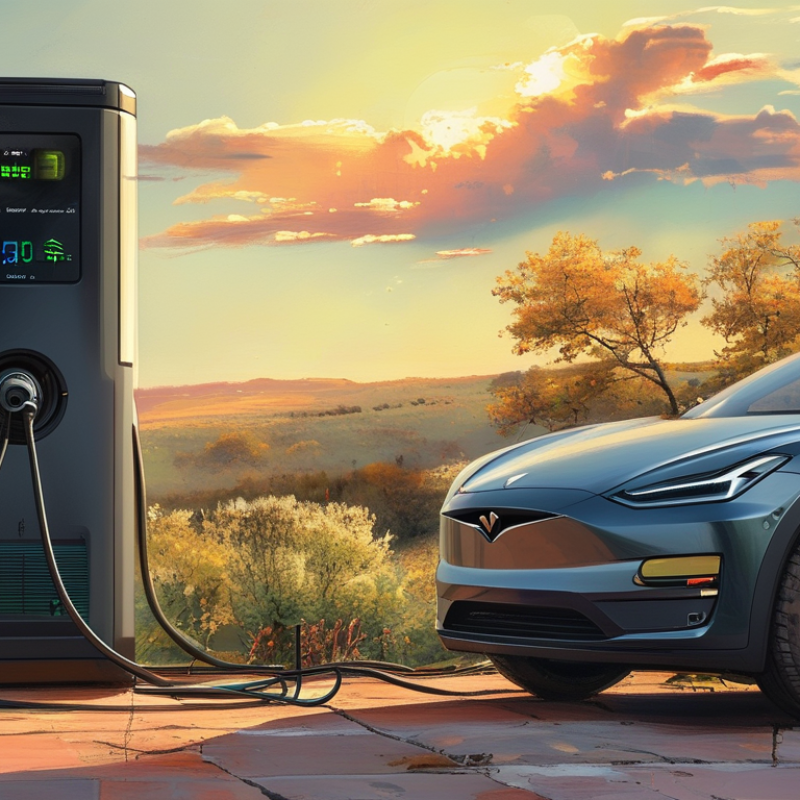
Understanding Electric Vehicle Battery Basics
Understanding the basics of electric vehicle (EV) batteries is essential for safe charging at home. Most EVs today use lithium-ion batteries. These batteries are efficient, but they require careful handling. Overheating can lead to performance issues. It’s crucial to monitor your charging environment. Ensure the area is well-ventilated and free from flammable materials.
Charging at home often involves using Level 1 or Level 2 chargers. Level 1 chargers connect to standard outlets. They are slower but may suffice for daily use. Level 2 chargers offer faster charging through dedicated circuits. Installing a higher-capacity charger may require professional assistance. This ensures safe installation and compliance with local regulations.
Regular maintenance of your EV battery is vital. Check for any visible damage, such as cracks or leaks. Pay attention to the battery temperature during charging. If it becomes excessively hot, disconnect it and seek professional help. Reflect on your habits. Rushing through the charging process may lead to mistakes. It's wise to take your time and ensure everything is secure and functioning correctly.
Choosing the Right Home Charging Equipment
When choosing the right home charging equipment for your electric vehicle, it's crucial to consider compatibility with your car. Not all chargers work with every model. Look for specifications that mention voltage, current, and plug type. Ensuring your charger matches these elements can save you time and headaches later.
The installation location matters too. A dedicated circuit can prevent overloads, which may damage your home’s wiring. Consider hiring a qualified electrician to evaluate your setup. They can recommend the best options based on your home's electrical capacity.
Lastly, think about the future. Charging technology evolves quickly. Investing in a more advanced charger today may benefit you tomorrow. It's essential to weigh immediate needs against potential upgrades. Reflect on how often you will be using the charger and where you plan to park your vehicle. These details can guide your decision on the right charging setup.
Proper Installation and Safety Measures
When charging your electric vehicle (EV) at home, proper installation and safety measures are crucial. A qualified electrician should assess your home’s electrical system. They can recommend the right charger and ensure your wiring supports it. This step is often overlooked but is vital for preventing hazards.
It's essential to use a dedicated circuit for your EV charger. Sharing a circuit with other high-demand appliances could lead to overloads. Moreover, ensure your charging station is weatherproof if installed outdoors. This will help protect it from moisture and other elements.
Regular maintenance is also crucial. Check connections and cables for wear and tear. Fraying wires can create serious safety risks. Consider investing in surge protection to shield your equipment from power spikes. Remember, safety is your responsibility. Carelessness can have costly implications. Always prioritize proper installation for a safer charging experience.
Monitoring Charging Times and Energy Levels
Charging electric vehicle (EV) batteries at home requires careful monitoring of charging times and energy levels. According to the International Energy Agency, home charging accounts for nearly 80% of EV charging sessions. Thus, managing these factors can lead to enhanced battery performance and longevity.
Timing your charging to off-peak hours can save costs. Many utility companies offer lower rates during nights or weekends. Monitoring energy levels ensures you never let the battery drop too low. Avoiding deep discharges can extend battery life.
Consider using a Level 2 charger for improved efficiency. Charges can be completed much faster compared to standard outlets. This can be particularly useful for drivers with limited time to recharge. Additionally, check for settings that allow you to schedule charging times. This way, you align your EV's charging with lower energy rates. Keep an eye on your home energy consumption, as overloading your circuits can lead to unsafe conditions.
Recognizing Signs of Battery Issues During Charging
When charging your electric vehicle (EV) at home, being aware of the signs of battery issues is crucial. Common indicators include unusual smells, swelling, or excessive heat. According to the National Fire Protection Association, around 6,000 fires yearly are associated with charging EV batteries. Therefore, vigilance during charging should be a priority. Monitoring the battery's behavior can prevent accidents and extend its lifespan.
During charging, check for any odd sounds from the battery. Sounds like hissing or popping may indicate a serious hazard. If you notice a rapid temperature rise, stop charging immediately. Professional reports suggest that operating temperatures should remain within safe limits to ensure battery health and safety.
Pay attention to fluctuations in charging times too. If your battery takes longer than usual to charge, it may signal a decline in performance. Staying alert can help you make informed decisions about battery maintenance. Regular inspections of your charging equipment can also prevent potential issues. If the equipment shows any signs of wear, it might be time for a replacement.
Top 10 Tips for Safely Charging EV Batteries at Home
| Tip No. |
Charging Tip |
Signs of Battery Issues |
| 1 |
Use a dedicated charging circuit |
Overheating during charging |
| 2 |
Regularly inspect charging equipment |
Frayed cables or damaged plugs |
| 3 |
Charge during cooler hours |
Unusual smells or gassing |
| 4 |
Avoid charging to 100% daily |
Rapid decline in battery capacity |
| 5 |
Use a smart charger |
Frequent fluctuations in charge level |
| 6 |
Keep charging area well-ventilated |
Heat build-up in surrounding area |
| 7 |
Monitor software updates for charging units |
Errors indicated on the charger display |
| 8 |
Don’t charge in wet conditions |
Tripping circuit breakers during charge |
| 9 |
Check battery health periodically |
Inconsistent range or performance |
| 10 |
Follow manufacturer guidelines |
Unusual charging times or issues |
FAQS
: Proper installation prevents hazards. A qualified electrician assesses your home’s electrical system. This step ensures safety and efficiency.
Use a dedicated circuit for your charger. Avoid sharing it with other high-demand appliances to prevent overloads.
Regularly check connections and cables for wear. Look for fraying wires, as they pose serious safety risks.
Timing your charging during off-peak hours saves money. Utility companies often offer lower rates at night or weekends.
Watch for unusual smells, swelling, or excessive heat. These signs may signal serious battery problems that need immediate attention.
Avoid deep discharges by monitoring energy levels. Keeping the battery charged within safe limits enhances its longevity.
Odd sounds like hissing or popping may indicate hazards. If you hear these sounds, stop charging immediately for safety.
Yes, a Level 2 charger completes charges faster than standard outlets. This is beneficial for drivers who need quick recharges.
Regular inspections of your charging equipment can help. Look for any signs of wear to decide if it needs replacement.
Carelessness can lead to costly implications. Prioritizing safety prevents accidents and ensures a safer charging experience.
Conclusion
When considering how to safely charge new energy vehicle batteries at home, it's essential to understand the basics of electric vehicle (EV) batteries, including their charging requirements and maintenance. Selecting the appropriate home charging equipment is crucial, as it directly impacts the efficiency and safety of the charging process. Proper installation performed by a qualified electrician, along with adherence to safety measures, helps minimize risks associated with home charging.
Additionally, monitoring the charging times and energy levels ensures that the battery is not overcharged, which can lead to reduced battery life or other safety hazards. It's equally important to recognize any signs of battery issues during charging—such as unusual smells, swelling, or excessive heat—as these may indicate underlying problems that require immediate attention. By following these tips, EV owners can confidently navigate how to safely charge new energy vehicle batteries at home, promoting both personal safety and optimal battery performance.

 E-Tronde Charger