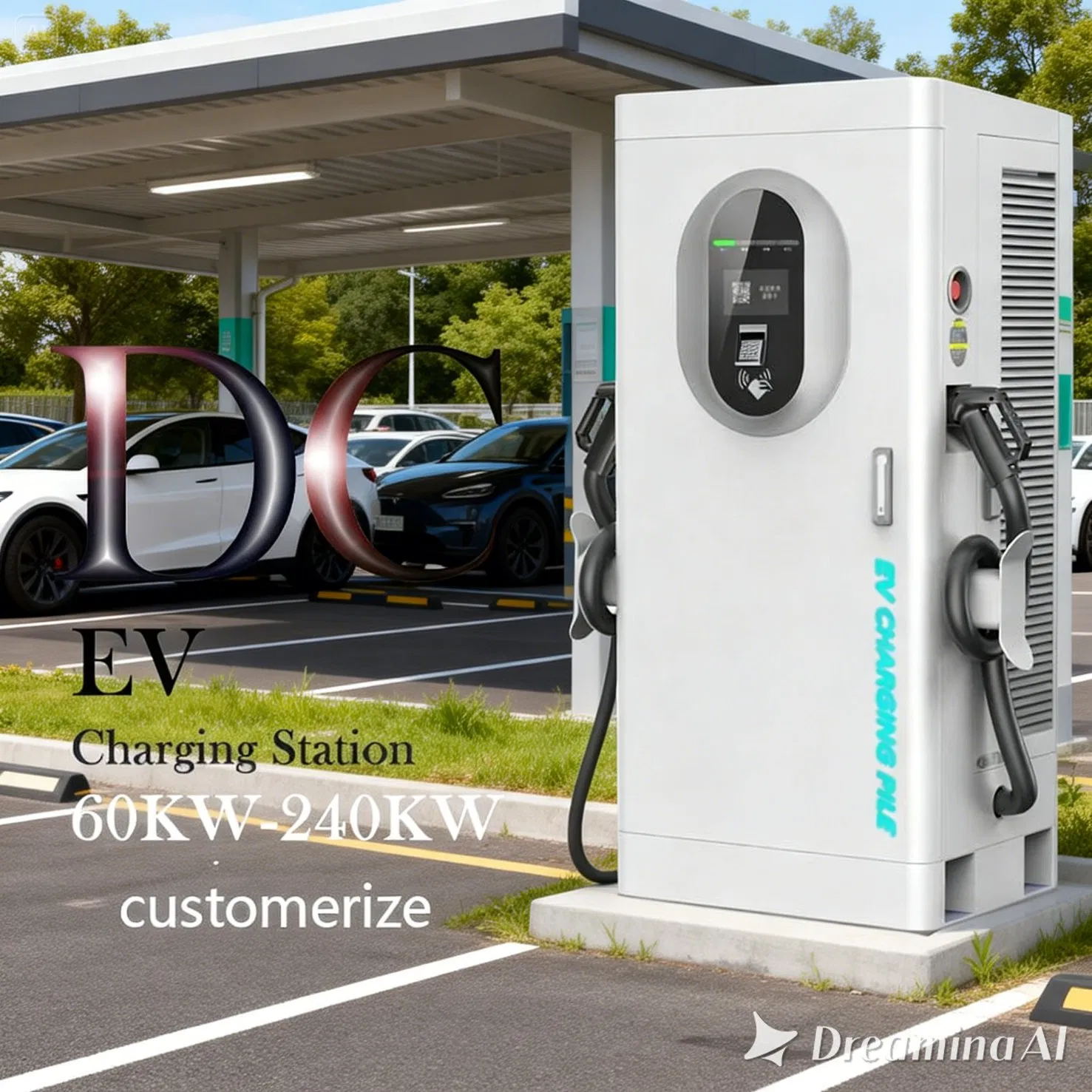
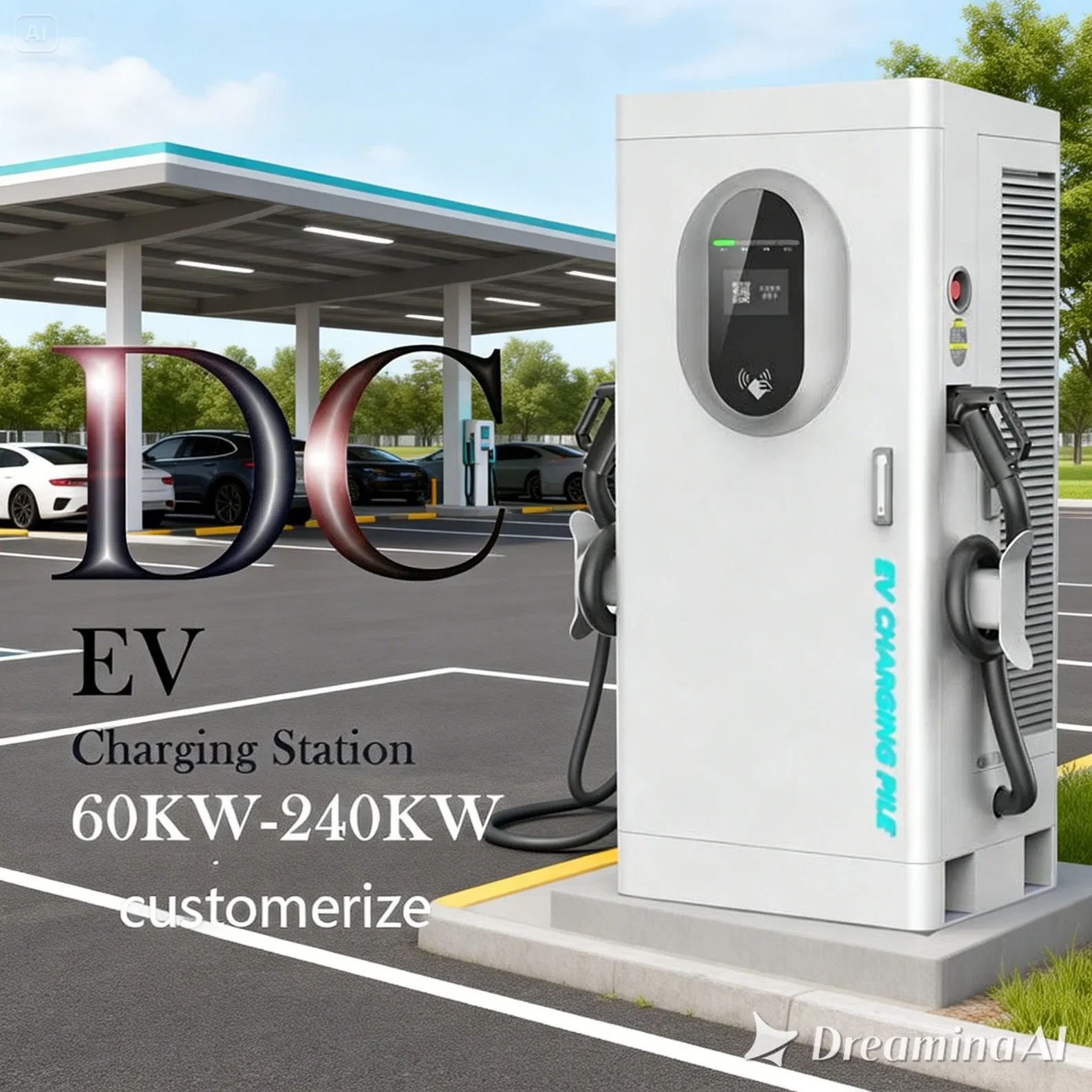
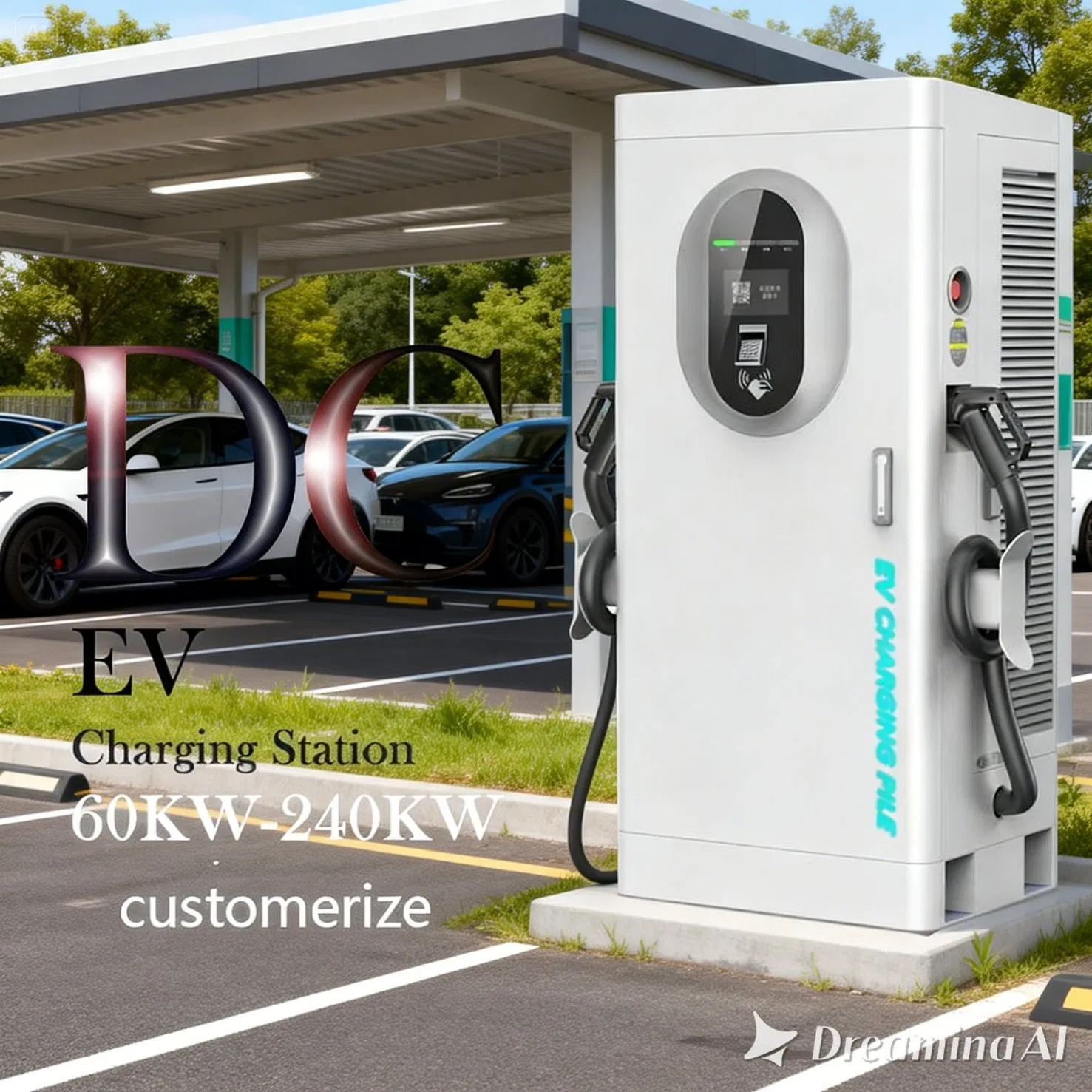
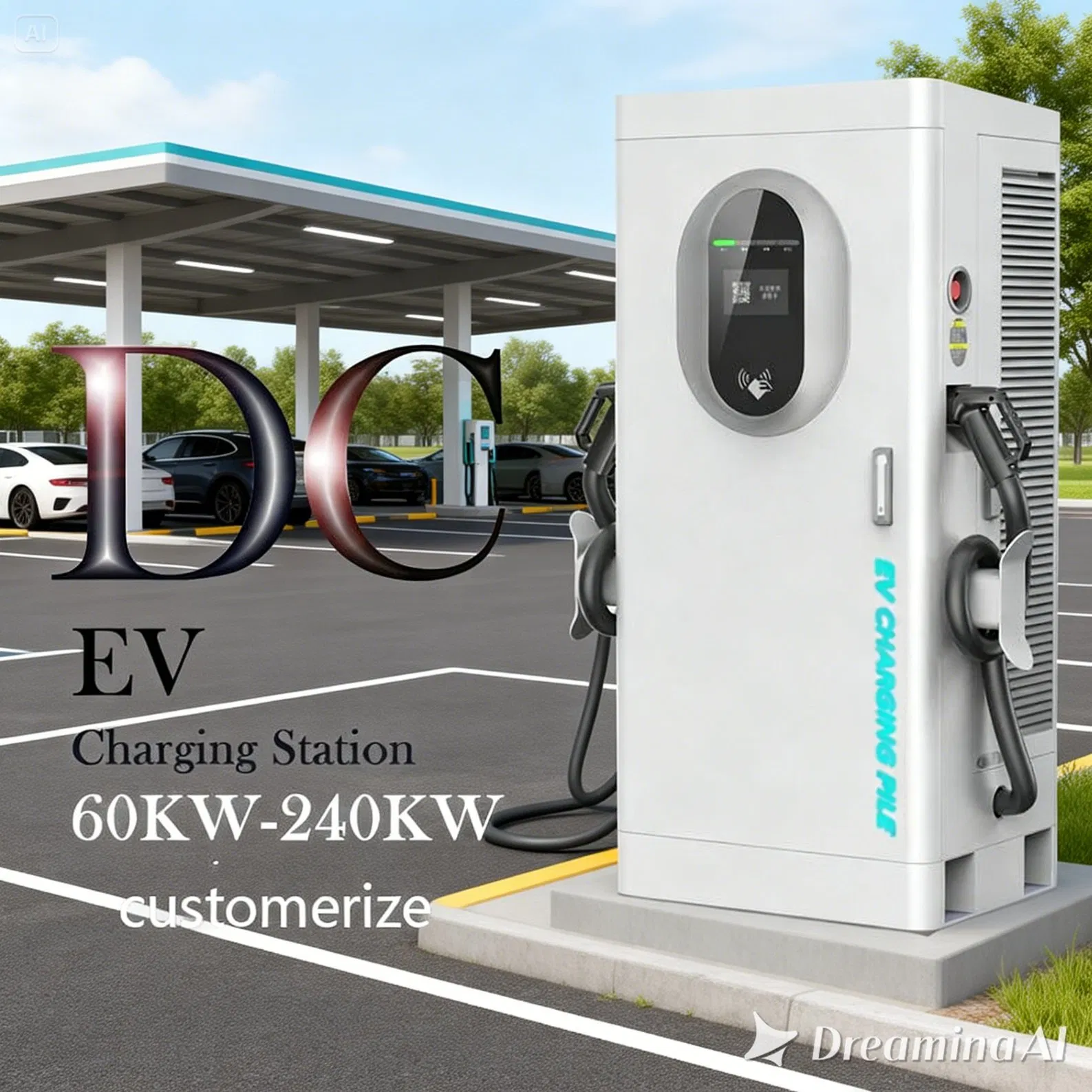
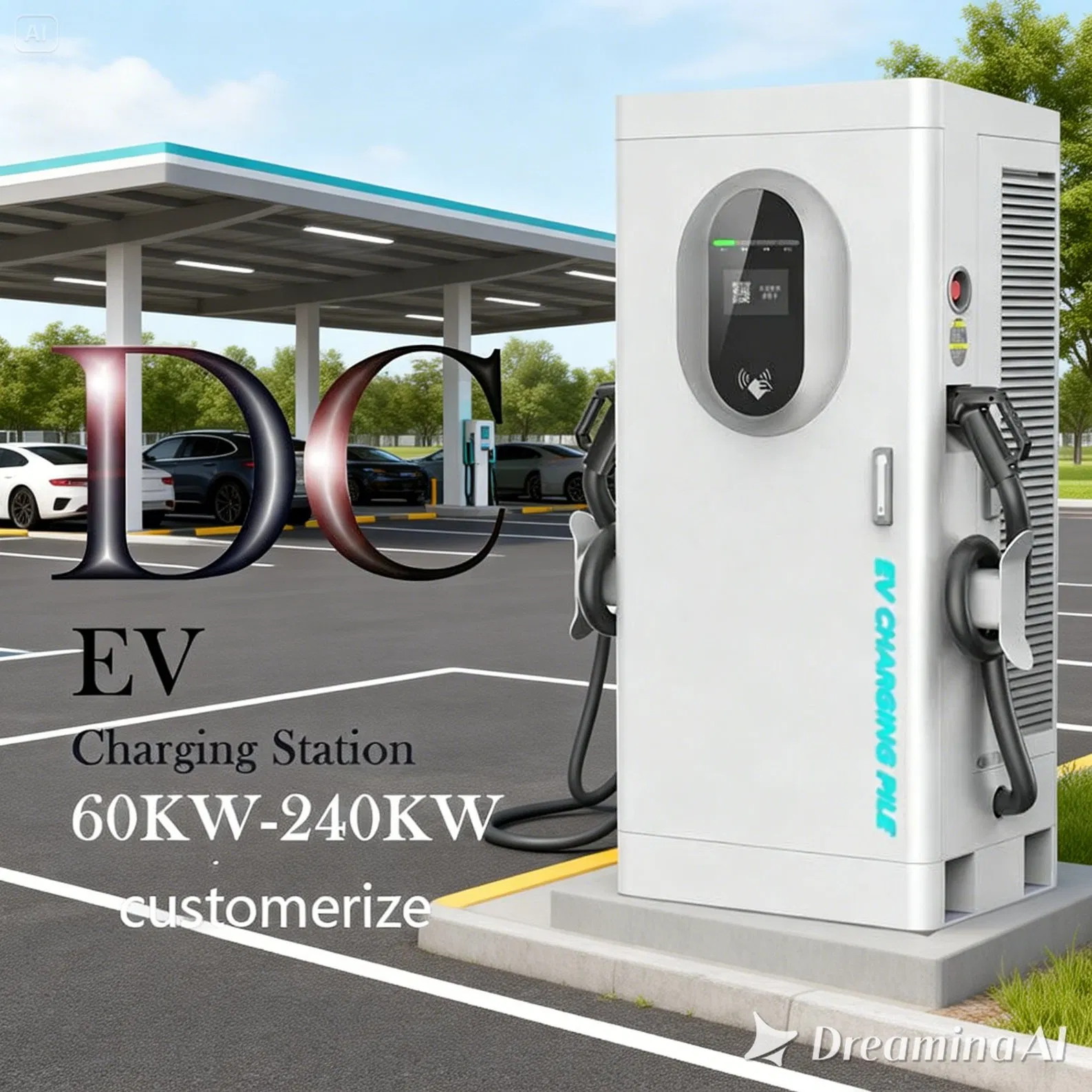
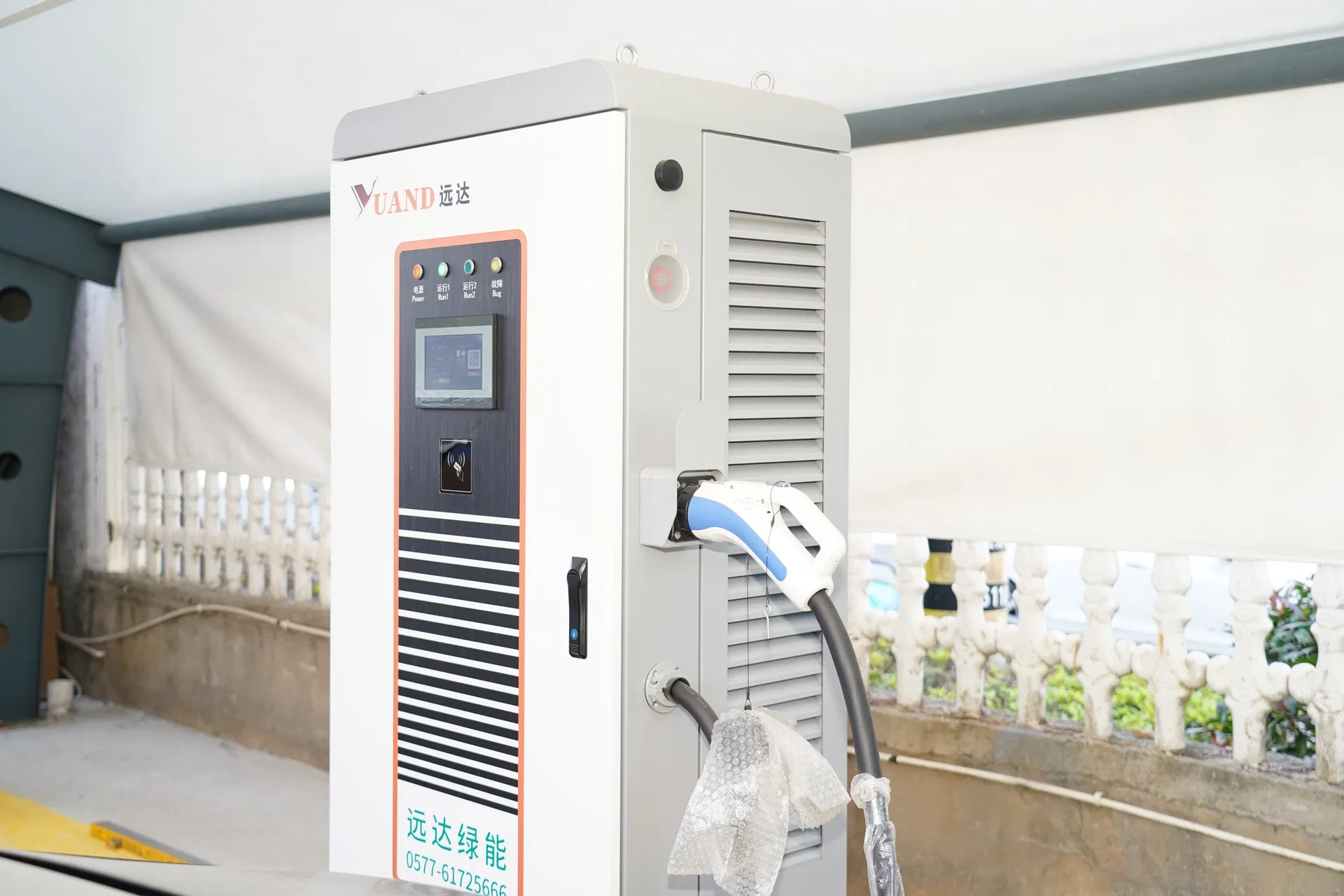
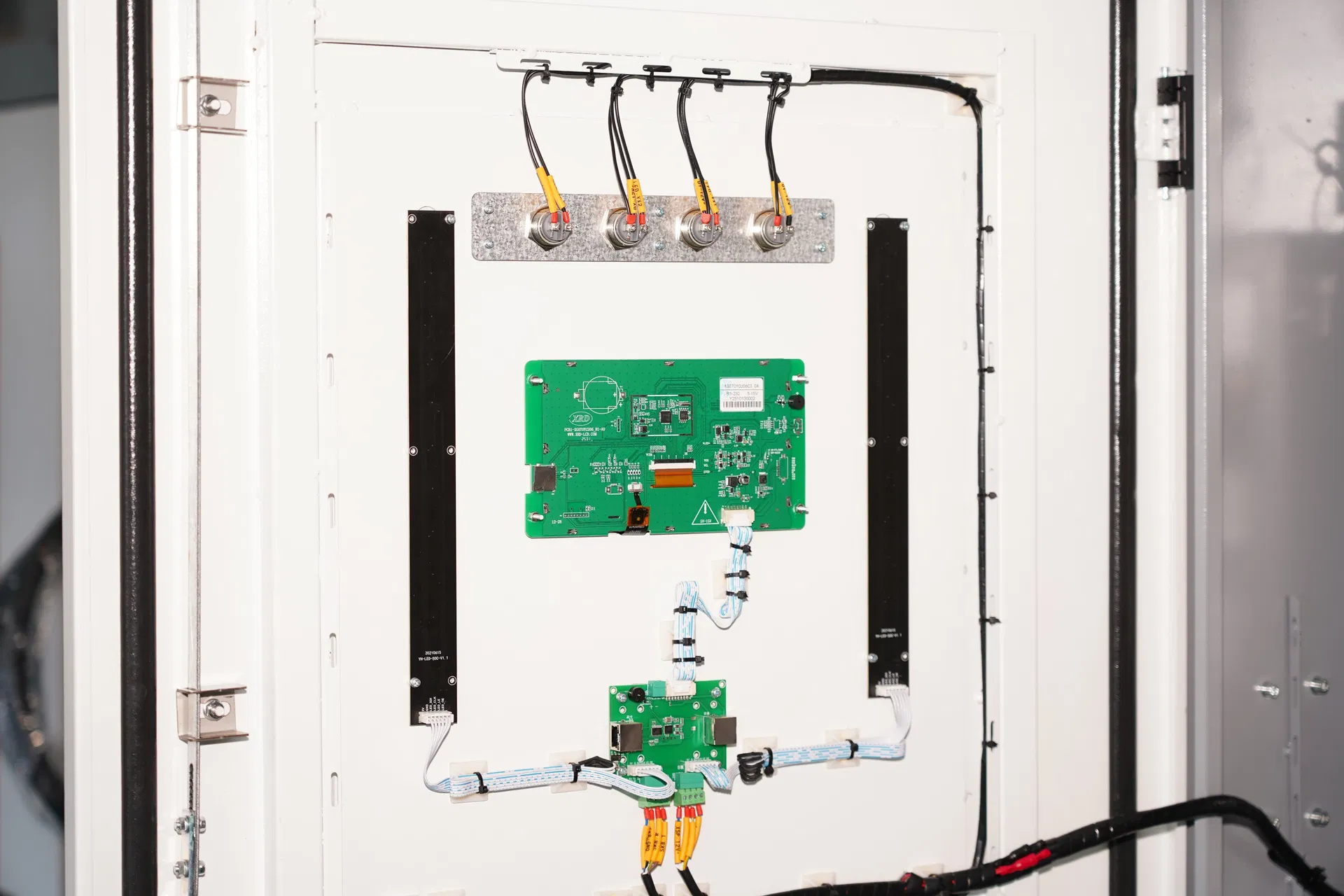
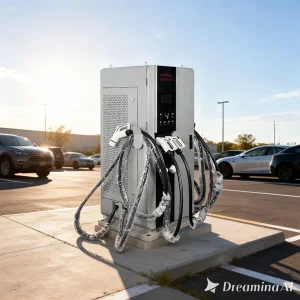
Efficiency: >95% Power Factor: 0.9950 (above 50% load)
Installation & Dimensions
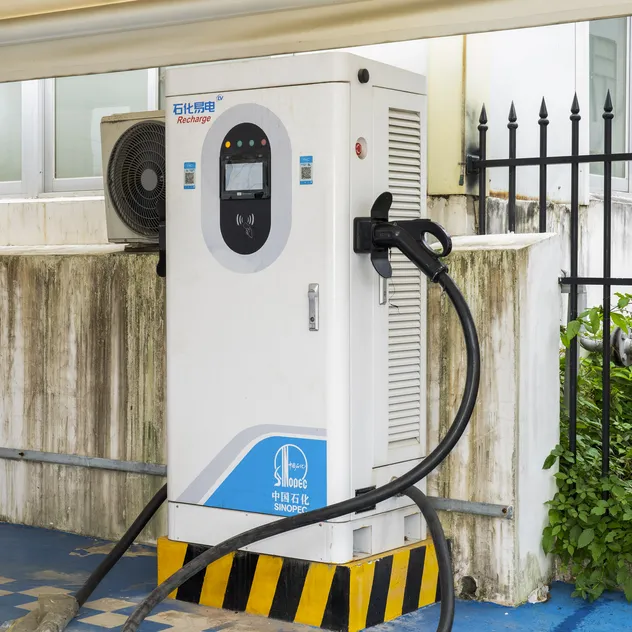
Routing: Down in and out; Product Size: 820×60×1800mm; Cable Length: 5m
Professional Capability
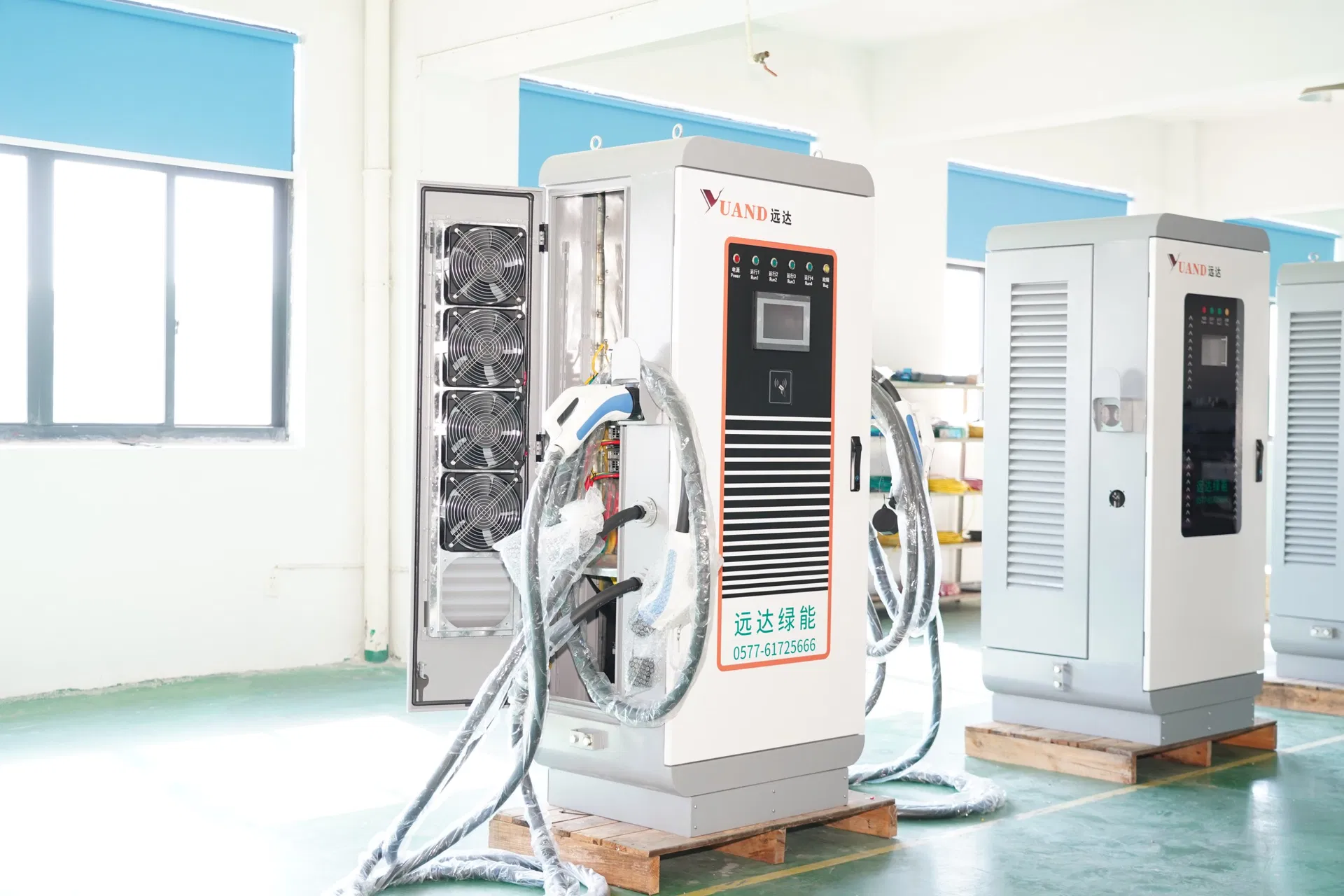
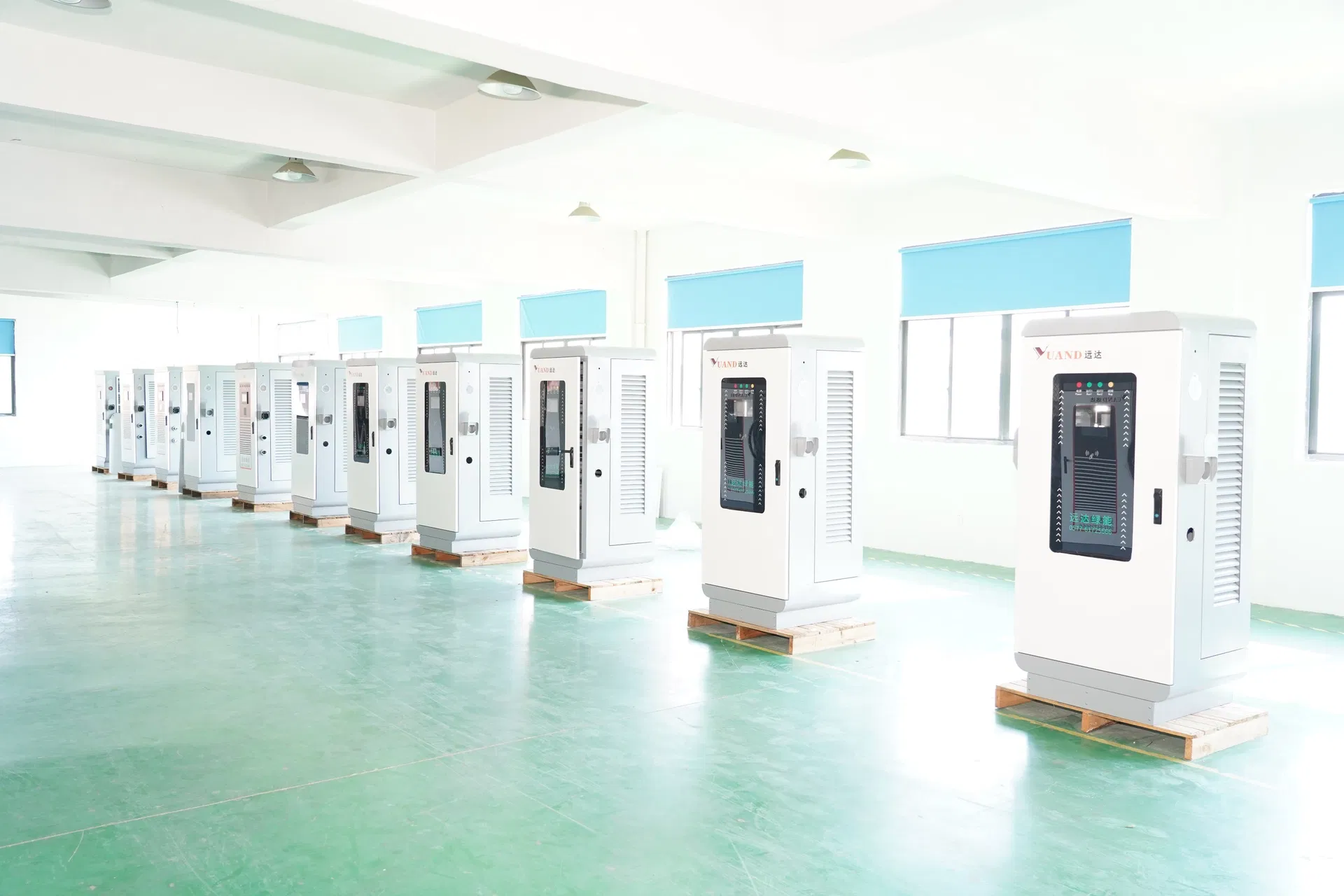
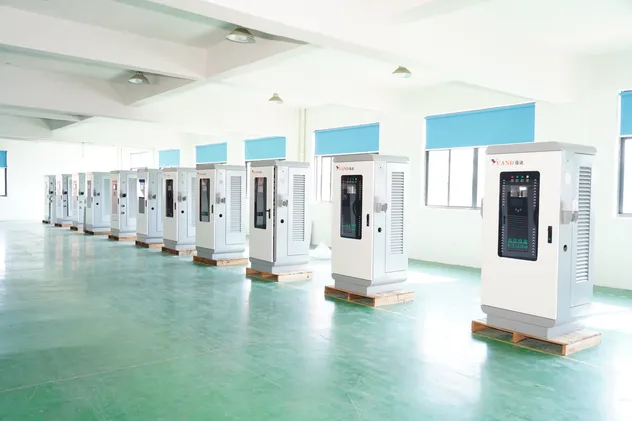
The company focuses on the R&D and sales of civil charging equipment, with rich experience in the implementation of community charging projects. The production base has passed the ISO9001 Quality Management System Certification, with an annual capacity of 100,000 units. It focuses on promoting cost-effective civil charging piles. The overseas market covers emerging markets such as Southeast Asia and Africa, cooperating with local real estate developers and property companies.
Frequently Asked Questions
Q1: What is an electric vehicle (EV) charging pile and how does it work?
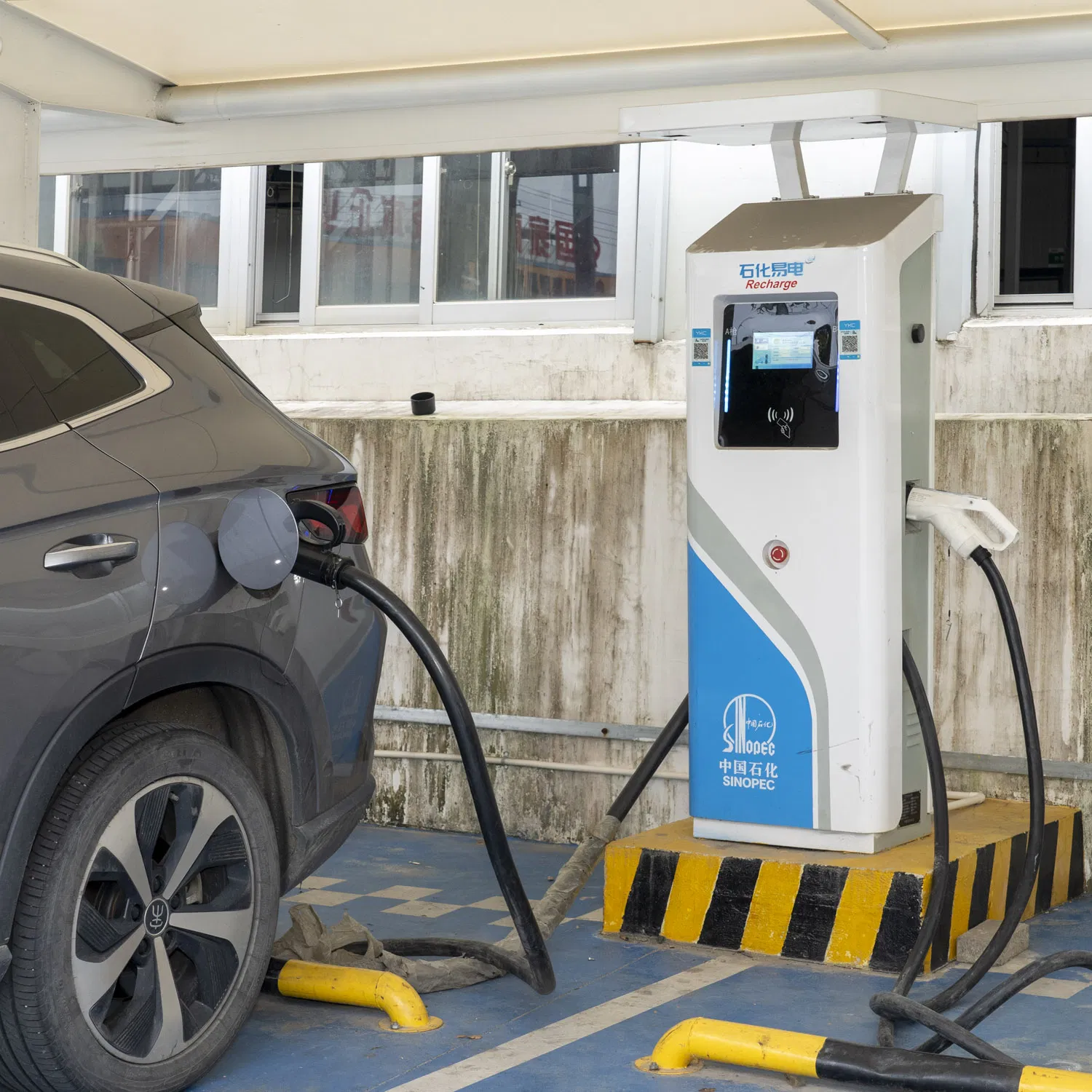
An electric vehicle charging pile is a dedicated electrical device that supplies electrical energy to recharge the batteries of electric vehicles. It works by connecting to the grid, regulating input voltage and current according to the EV's battery management system (BMS), and delivering DC or AC power to the vehicle's battery pack.
Q2: What is the difference between AC charging piles and DC fast charging piles?
AC piles deliver alternating current at lower power (3.6kW–22kW) for slow charging via the vehicle's on-board charger. DC fast charging piles deliver direct current at high power (50kW–480kW) by bypassing the on-board charger with an integrated rectifier, allowing for rapid replenishment.
Q3: How do I choose the right power rating for an EV charging pile?
Check your EV's maximum supported charging power. For home use, 7kW–11kW AC is standard. For public stations, a 120kW DC pile can charge a 60kWh battery from 20% to 80% in about 30 minutes. Always allow a safety margin for grid stability.
Q4: What safety features are integrated into these charging piles?
Our units feature multiple protection layers, including over-voltage, under-voltage, overload, short circuit, earth leakage, lightning protection, and over-temperature emergency shutdown to ensure absolute safety.
Q5: Is the equipment compatible with all international EV standards?
Yes, the hardware can be configured to support various standards such as CCS1, CCS2, CHAdeMO, and GB/T, ensuring compatibility with major electric vehicle brands globally.
Q6: What maintenance is required for the DC fast chargers?
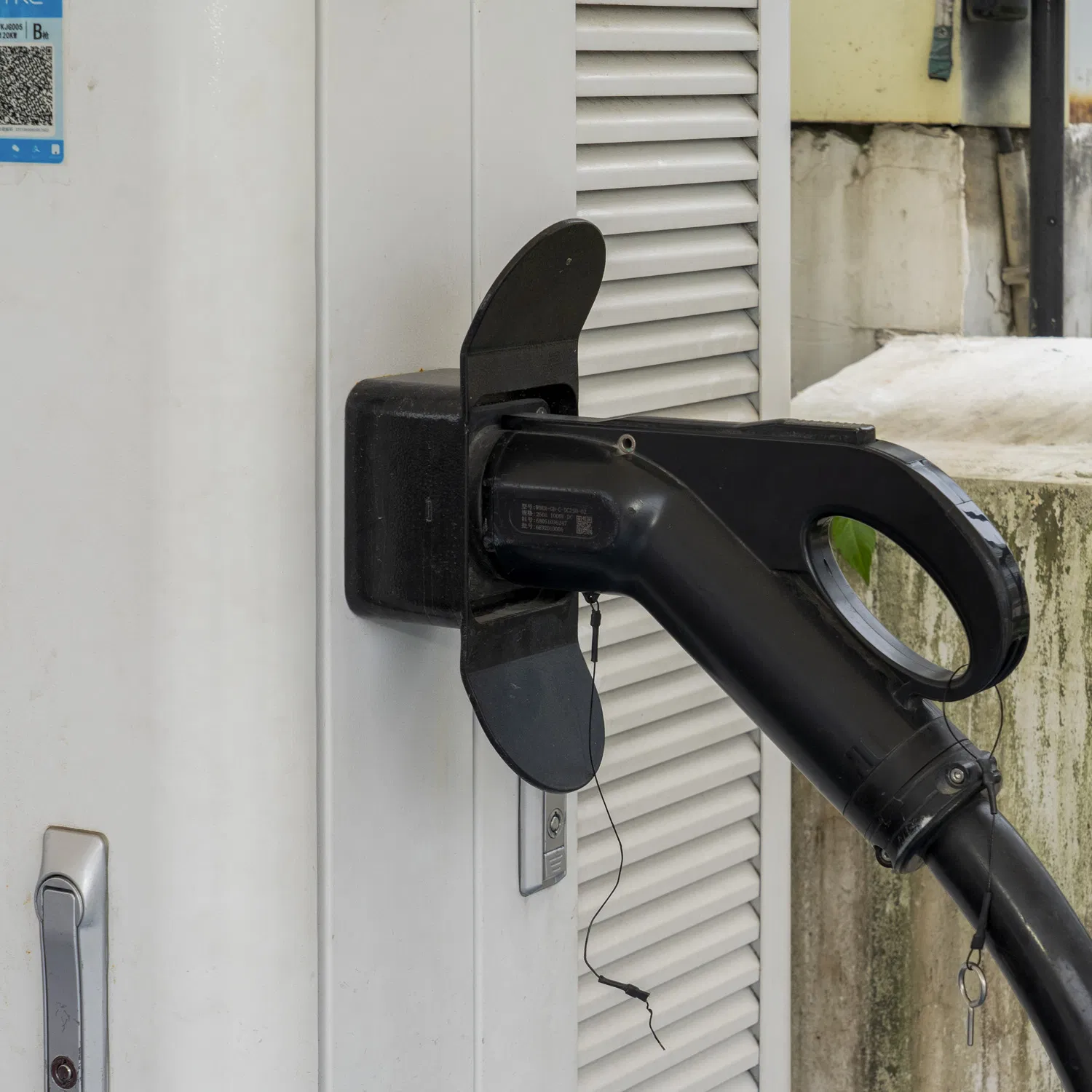
DC chargers require periodic inspection of the cooling fans, cable integrity, and module dust filters. Most systems also support remote diagnostics and software updates to minimize physical on-site maintenance.
 E-Tronde Charger