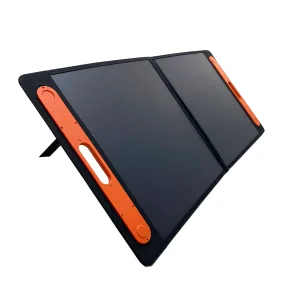
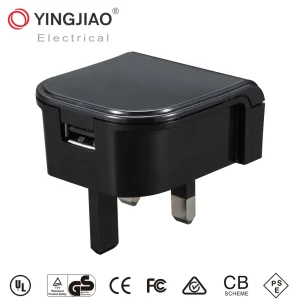
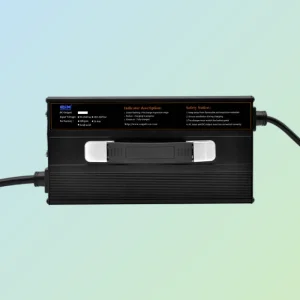
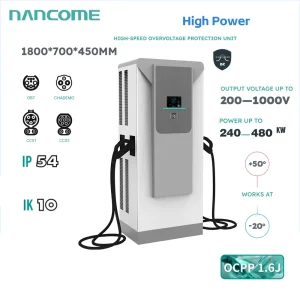
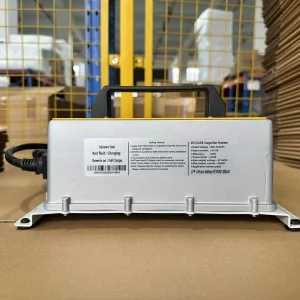
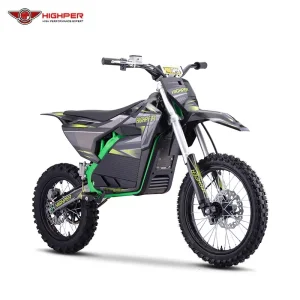
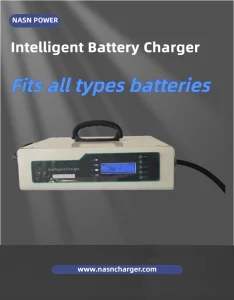
Explore our premium grade power adapters, smart multi-stage chargers, and off-grid solar-coupled charging components engineered for dynamic application paradigms.
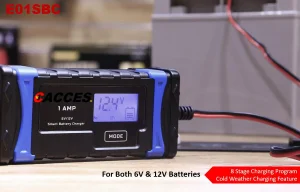

The global shift toward high-wattage charging infrastructure is driven by the rapid growth of electric vehicles (EVs), automation in warehouses, and renewable energy integration. Industrial and commercial enterprises require chargers that can deliver high power quickly and safely. As a result, there is a strong demand for rugged, high-efficiency OEM/ODM power solutions that can handle tough operating conditions.
Modern applications require smart control systems that can communicate with broader management networks. Chargers are no longer simple power supplies; they are smart grid elements that optimize charging profiles, predict battery wear, and balance grid loads. From 480kW charging docks for logistics vehicles to compact smart chargers for micromobility, the demand for highly customized power supplies is growing rapidly.
High-wattage design requires specialized knowledge in areas like thermal management, magnetic component design, and Electromagnetic Compatibility (EMC). Working with an established manufacturer allows global companies to shorten development times, lower engineering risks, and ensure compliance with strict safety and performance standards.
Delivering high-performance, durable, and energy-efficient charging and power management systems since 2001.
Established in 2001, Shenzhen E-Tronde Charger Co., Ltd. specializes in the development, production, and sales of advanced battery chargers and power supply products. With over two decades of expertise, the company has emerged as a leading innovator in the power electronics industry.
The company boasts a workforce of over 100 professionals, with a production area covering more than 10,000 square meters. Shenzhen E-Tronde Charger is equipped with state-of-the-art manufacturing facilities, including dedicated SMT (Surface-Mount Technology) and through-hole assembly lines, fully automated transformer production workshops, and cutting-edge automated charger and power supply production areas. Supported by a skilled team of more than 10 experienced engineers, we ensure high-quality product development and robust engineering solutions.
We are well-known for producing a wide range of chargers, power adapters, and related power management solutions, serving industries such as consumer electronics, telecommunications, and automotive. Having successfully established a comprehensive domestic sales network across China, with provincial agents and regional distributors, we are actively expanding our footprint in international markets including Southeast Asia, Europe, and South America.
Years of R&D Experience
Sqm Production Facility
Skilled Professionals
Senior Design Engineers
Large-scale purchasing of high-wattage charging units requires a balance of reliability, energy efficiency, and regulatory compliance. Commercial buyers must evaluate products based on Total Cost of Ownership (TCO) rather than just the initial purchase price. A lower-priced charger that fails early or operates inefficiently can lead to expensive downtime and high electricity costs.
Key procurement requirements include:
High-wattage charging units serve as key components in larger industrial systems. For example, in automated warehouses, battery chargers are integrated directly into automated guided vehicle (AGV) docking stations, enabling rapid Opportunity Charging without manual intervention. This setup requires precise coordination between the charger, the vehicle's BMS, and the central warehouse control system.
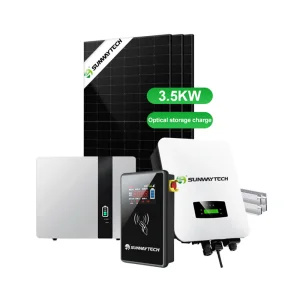
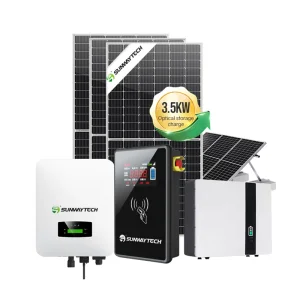
In renewable energy applications, hybrid solar chargers connect clean energy sources with battery storage and EV charging stations. These setups require dynamic power allocation algorithms that shift charging currents based on solar output and grid load, maximizing energy self-sufficiency and reducing peak demand charges.
The industry is moving toward higher power density and smarter control systems. Key developments include:
Transitioning from silicon to Gallium Nitride (GaN) and Silicon Carbide (SiC) switches to allow higher frequencies, smaller sizes, and lower energy losses.
Developing chargers that dynamically adjust their output voltage (e.g., from 30V to 100V) to support different battery configurations (LiFePO4, Lead-Acid, Ternary Lithium).
Using adaptive liquid cooling and advanced heat pipe designs to keep high-power electronics cool without relying on noisy, high-maintenance fans.
Using embedded machine learning models to analyze charging profiles in real time, helping to detect battery cell imbalance and estimate cell life.
Regulations vary widely across international markets. North America focuses heavily on UL standards and grid safety, while Europe emphasizes energy efficiency and open communication protocols like OCPP (Open Charge Point Protocol). In the Asia-Pacific region, rapid urban development and rising micromobility usage drive the demand for compact, cost-effective high-power chargers. Navigating these regional requirements is essential for successful global deployments.
Working with an experienced OEM/ODM partner like Shenzhen E-Tronde Charger ensures your products meet regional safety and environmental standards. We design our platforms to comply with UL, CE, FCC, RoHS, and other certifications. This simplifies importation, speeds up market entry, and protects your business from regulatory liabilities.
Expert answers to common questions about industrial-grade power solutions.
Active thermal derating protects the charger by reducing output current when internal temperatures exceed safe limits. This prevents thermal runaway, protects key components, and helps ensure a long service life, even in hot environments.
LLC resonant converters allow Zero Voltage Switching (ZVS) across a wide load range. This significantly reduces switching losses, improves efficiency, minimizes electromagnetic interference (EMI), and allows for more compact housing designs.
Our chargers support standard industrial protocols like CAN bus (CAN 2.0B), RS485, and Modbus. They can also feature wireless options like Zigbee or NFC, enabling real-time monitoring of battery metrics to ensure safe, optimized charging.
Yes. Our multi-stage smart chargers feature programmable charging profiles. They can adjust voltage limits, charge currents, and cut-off points to match the specific chemistry of your battery pack, ensuring optimal performance and longevity.
We use multi-stage EMI filters, optimized PCB layouts, and shielding to minimize electromagnetic noise. Our designs are thoroughly tested to meet FCC Part 15 and CE-EMC standards, ensuring reliable operation without interfering with nearby electronics.
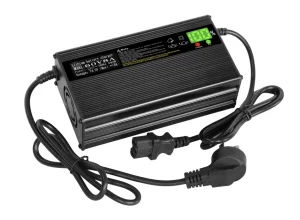
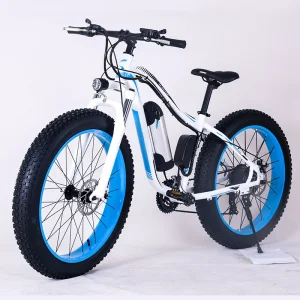
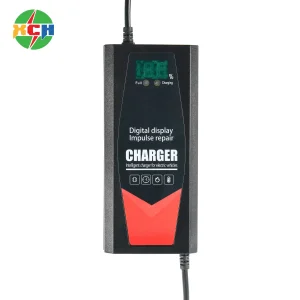
Explore our industrial chargers, off-road power units, and solar-coupled charging systems designed to meet demanding application requirements.
 E-Tronde Charger