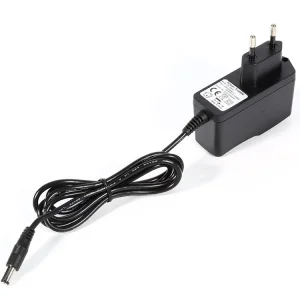
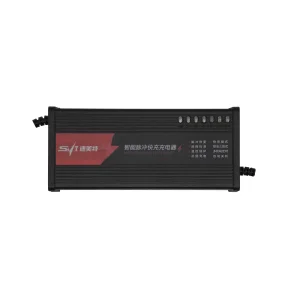
Explore our specialized portfolio of commercial EV chargers, high-frequency pulse chargers, and compact power adapters engineered for global performance.
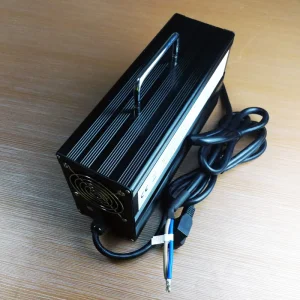
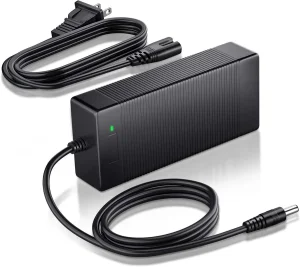
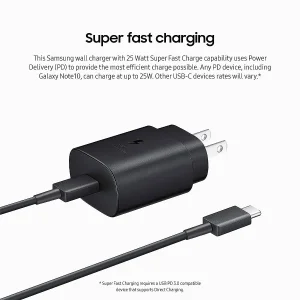
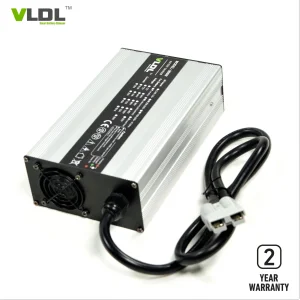
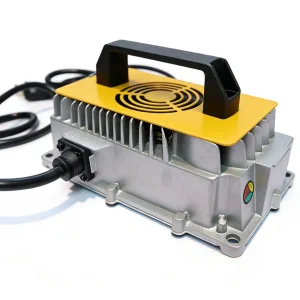
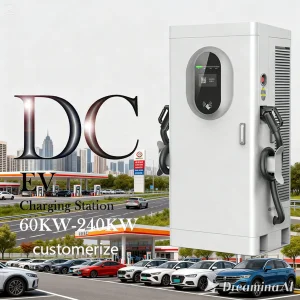
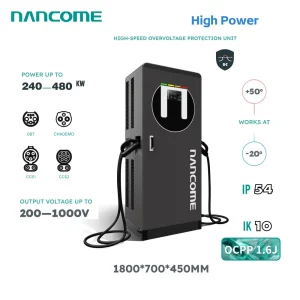
The global transition to electric mobility and electrified industrial operations has triggered an unprecedented surge in demand for ultra-fast, ultra-efficient power conversion architectures. As battery capacities expand across passenger electric vehicles (EVs), commercial heavy-duty trucks, electric buses, agricultural machinery, and specialized industrial fleets, legacy low-power charging systems are no longer sufficient. High-Power Charging (HPC) stations—ranging from 120kW up to 480kW and megawatt-level systems—have transitioned from luxury highway ammenities to vital national infrastructure assets.
China has established itself as the undisputed global epicenter for high-power power electronics manufacturing. Leveraging robust domestic supply chains, continuous innovation in Silicon Carbide (SiC) semiconductor modules, and scale-driven manufacturing efficiencies, Chinese charging station manufacturers lead the global market in quality, technical adaptability, and cost competitiveness. Selecting the right high-power charging station manufacturer in China is a critical strategic decision for global charge point operators (CPOs), fleet operators, energy distributors, and OEM brands seeking to balance capital expenditure (CAPEX) with long-term reliability and operational efficiency (OPEX).
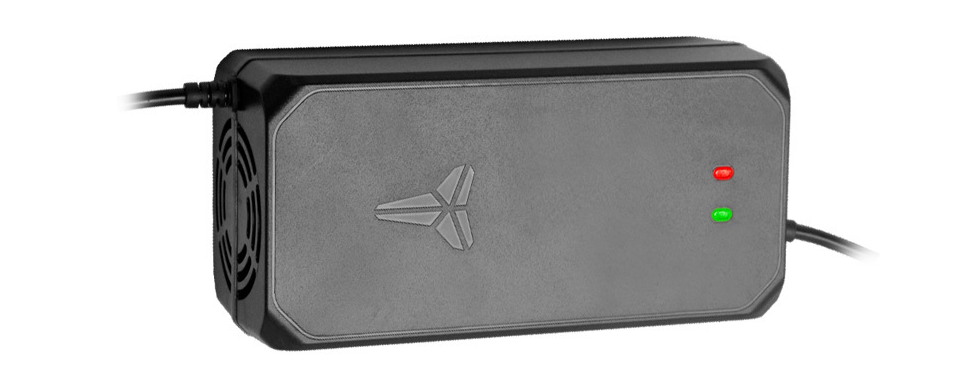
Established in 2001, Shenzhen E-Tronde Charger Co., Ltd. has dedicated over two decades to pioneer advancements in power electronics, high-power DC fast charging systems, high-frequency smart pulse battery chargers, and custom energy conversion solutions.
Spanning an expansive production area of over 10,000 square meters, the company integrates advanced Surface-Mount Technology (SMT) assembly lines, fully automated transformer production workshops, and state-of-the-art automated testing burn-in bays. Supported by a workforce of more than 100 highly skilled personnel and a dedicated R&D engineering department with over 10 senior power electronics experts, E-Tronde ensures continuous product innovation, rigorous quality assurance, and dynamic OEM/ODM capabilities.
The global energy sector relies heavily on Chinese power electronics manufacturing for several fundamental structural reasons. When procuring high-power charging stations, global enterprises benefit from a mature ecosystem that minimizes lead times, optimizes component integration, and lowers total manufacturing overhead.
Modern high-power charging stations are complex industrial power grids condensed into compact, weatherized enclosures. Engineering excellence requires balancing thermal management, electromagnetic compatibility (EMC), dynamic dynamic load allocation, and modular power conversion.
As charging currents surpass 350A and reach 500A+ at 1000V DC, traditional air-cooled copper cables become prohibitively heavy and physically unwieldy for consumer operation. Advanced high-power stations incorporate active liquid cooling circuits within both the power module bay and the charging cable assembly. By circulating synthetic dielectric coolants or water-glycol mixtures directly through the connector pins and internal copper conductors, thermal dissipation is managed continuously. This enables lightweight, ultra-flexible cable designs while maintaining continuous high-current delivery without thermal throttling.
The transition from legacy Silicon IGBT switches to Silicon Carbide (SiC) MOSFETs represents a quantum leap in converter efficiency. SiC technology enables ultra-high switching frequencies (exceeding 100 kHz), drastically reducing the physical volume of magnetic components (transformers and inductors). E-Tronde's power architectures achieve operational efficiency ratings of up to 96.5%, dramatically reducing internal heat waste and decreasing operational electricity expenditure for facility owners.
Industrial charging sites rarely experience uniform vehicle power demands. High-power stations equipped with dynamic matrix switching intelligently route discrete 30kW or 40kW power modules to individual guns based on real-time vehicle Battery Management System (BMS) communication. If one vehicle requires 160kW while another requires 40kW, the central controller dynamically reallocates power blocks, maximizing overall station throughput and preventing unutilized headroom.
| Parameter / Metric | Standard Commercial DC Charger | Industrial High-Power Station (HPC) | E-Tronde OEM Custom Standard |
|---|---|---|---|
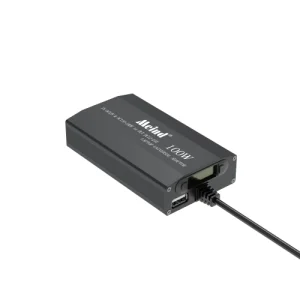
| Output Power Range | 60kW - 120kW | 160kW - 480kW+ | Customizable (Portable 100W up to 480kW) |
| Output DC Voltage | 200V - 750V DC | 150V - 1000V DC | Multi-range (12V, 36V, 48V, 72V, 1000V DC) |
| Peak Efficiency | 94.0% - 95.0% | 95.5% - 96.5% | ≥ 96.2% (SiC Modular Topology) |
| Cooling Mechanism | Forced Air Cooling | Liquid Cooled Cable & Module Bay | Hybrid Active Air / Liquid Cooling |
| Power Factor (PF) | ≥ 0.98 | ≥ 0.99 (at rated load) | ≥ 0.99 with Active PFC Control |
| Communication Protocol | OCPP 1.6J | OCPP 1.6J / OCPP 2.0.1 / ISO 15118 | Full OCPP Stack & Wireless Telemetry |
When enterprise buyers, municipal transit authorities, and commercial CPOs procure high-power chargers, evaluating initial capital expenditure (CAPEX) in isolation leads to sub-optimal procurement decisions. Total Cost of Ownership (TCO) calculated over a 7-to-10-year operational lifecycle provides the true measure of supplier value.
Deploying electrical equipment globally demands full compliance with stringent regional safety standards, electromagnetic compatibility guidelines, and grid interconnect codes. Chinese premier factories prioritize international certification roadmaps to ensure seamless global customs clearance and local utility commissioning.
Essential Certification Frameworks:
High-power charging technology extends far beyond public highway fast-charging corridors. Customized power electronics serve diverse industrial, commercial, and personal mobility ecosystems globally:
As the electric mobility ecosystem evolves, leading manufacturers are investing in next-generation research to address emerging grid constraints and vehicle architectures:
Designed primarily for heavy-duty commercial trucks, marine vessels, and electric aircraft, MCS standards aim to deliver up to 3.75 MW (1,250V DC at 3,000A). Chinese factories are actively prototyping MCS-compliant connector systems and high-capacity liquid cooling units to lead this transformation.
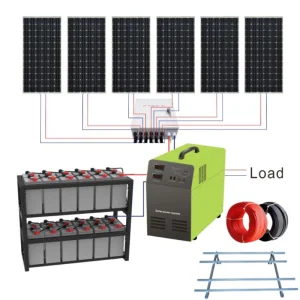
To avoid massive grid upgrade surcharges, modern high-power charging stations are increasingly paired with localized Battery Energy Storage Systems (BESS). Integrated solar-storage-charging microgrids store off-peak energy and buffer high peak loads during supercharging sessions, reducing demand charges for CPOs.
Next-generation charging stations are evolving from unidirectional power outlets into active grid-stabilizing nodes. Bi-directional V2G converters allow EV fleets to feed stored energy back into the municipal grid during peak demand hours, creating new revenue streams for fleet managers.
Technical and procurement insights for enterprise buyers sourcing high-power charging stations from China.
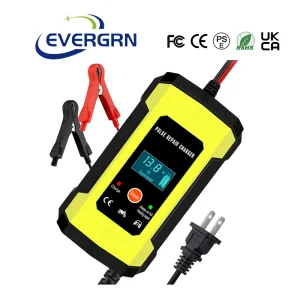
Discover ultra-high power highway stations, motorcycle pulse chargers, surge protectors, and specialized lithium battery management units.
 E-Tronde Charger