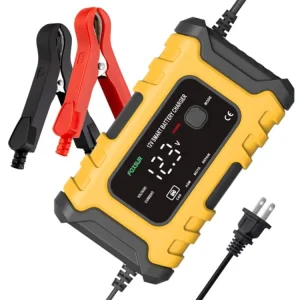
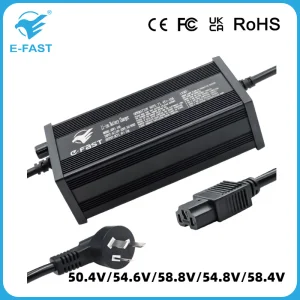
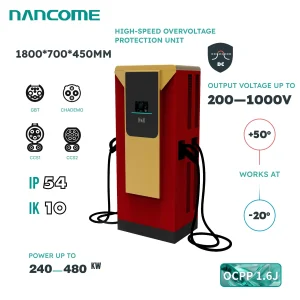
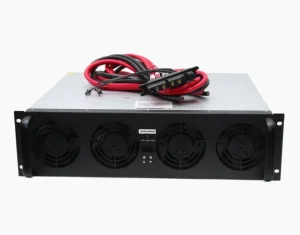
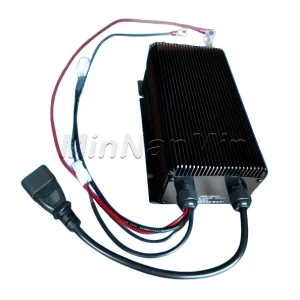
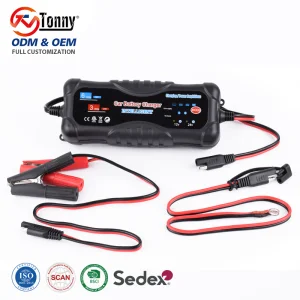
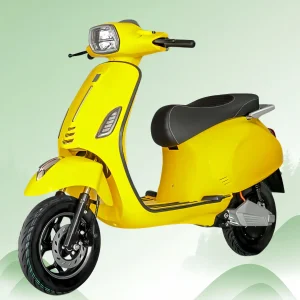
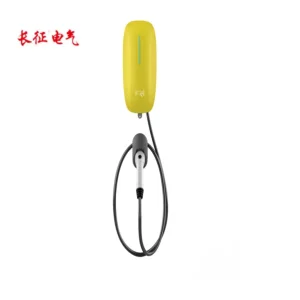
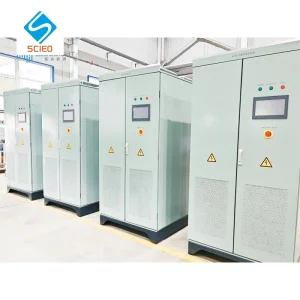
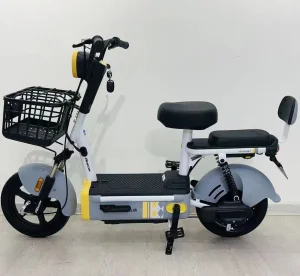
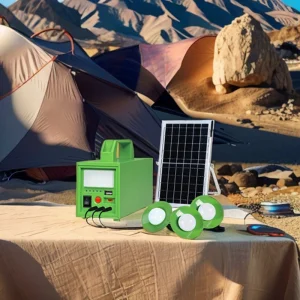
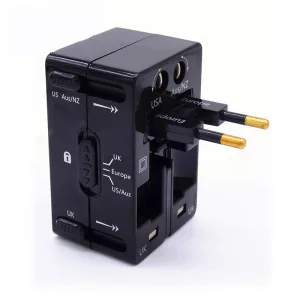
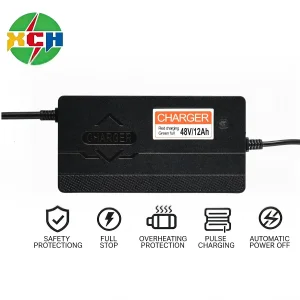
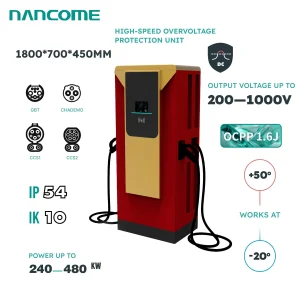
Browse our flagship components designed for high-efficiency, multi-phase electrical management, ranging from consumer-grade smart trickle chargers to commercial-fleet industrial units.
The global energy storage ecosystem has experienced a massive shift over the past five years. Standard low-capacity battery banks are no longer sufficient to meet the power-hungry demands of remote workflows, emergency systems, and heavy industrial applications. High-capacity Portable Power Stations (PPS), housing between 500Wh to upwards of 5000Wh of lithium (specifically LiFePO4) capacity, have taken center stage.
However, the core performance bottleneck of any advanced portable power station is not the cell matrix itself, but the charging architecture. Rapid charging, thermal dissipation, input regulation, and solar efficiency all depend directly on the external and internal AC-DC converters, MPPT solar controllers, and bidirectional charging circuit boards. Global B2B buyers—ranging from off-grid construction firms to medical hardware suppliers—are realizing that investing in premium PPS chargers is crucial to extending the lifespan of their power systems.
Key Industrial Observation: A PPS is only as resilient as its charging supply chain. Current market trends indicate that standard silicon-based topologies are being rapidly phased out in favor of high-frequency Gallium Nitride (GaN) and Active Clamp Flyback (ACF) architectures to maximize power density (W/in³).
OEMs and engineering firms are pushing boundaries to deliver faster, safer, and lighter charging solutions. The integration of high-density electronic designs has introduced three primary trends to the factory floor:
GaN semiconductors offer higher switching frequencies compared to traditional silicon. This allows transformers, inductors, and capacitors to shrink physically while reducing energy loss in the form of heat, leading to ultra-portable 200W to 600W AC-DC adapter bricks.
Modern top-tier power stations utilize internal bi-directional inverters. This design merges the AC-to-DC charging circuit and the DC-to-AC output inverter into a single system, allowing direct charging via a standard AC cord and eliminating the need for bulky external adapters.
To support off-grid workflows, chargers must interface dynamically with multiple input sources. Modern designs feature auto-negotiating microcontrollers that actively regulate voltage and current parameters based on the incoming source (Solar, Automotive alternator, or AC Grid).
The global supply chain for battery charging and power conversion equipment is anchored in China's advanced industrial hubs. The Yangtze River Delta and Pearl River Delta areas have transitioned to Industry 4.0 manufacturing processes, combining automation, Internet of Things (IoT) monitoring, and vertical integration.
Modern factories use automated Surface Mount Technology (SMT) lines, selective soldering systems, and robotic winding tools for transformers. This automation ensures high precision, reducing failures in power converters down to single-digit PPM (parts per million) rates.
Additionally, integrated vertical integration within China's industrial zones simplifies material sourcing. Solder alloys, high-voltage MOSFETs, safety-compliant capacitors, and copper wiring are all manufactured in close proximity, protecting factories against supply chain bottlenecks and shipping disruptions.
By integrating automated optical inspection (AOI), in-circuit testing (ICT), and multi-hour automated burn-in chambers, Chinese Tier-1 suppliers deliver power supplies that meet international safety standards (UL, CE, GS, KC, PSE). This end-to-end quality control provides global buyers with the reliability needed for high-demand applications.
Below is a curated directory of the industry's top manufacturers, selected for their engineering capabilities, quality assurance standards, production scale, and global supply footprint.
Company Overview:
Shenzhen E-Tronde Charger Co., Ltd., established in 2001, specializes in the development, production, and sales of advanced battery chargers and power supply products. With over two decades of expertise, the company has emerged as a leading innovator in the power electronics industry.
Scale and Facilities:
The company boasts a workforce of over 100 professionals, with a production area covering more than 10,000 square meters. Shenzhen E-Tronde Charger is equipped with state-of-the-art manufacturing facilities, including dedicated SMT (Surface-Mount Technology) and through-hole assembly lines, fully automated transformer production workshops, and cutting-edge automated charger and power supply production areas. In addition, the company is supported by a skilled team of more than 10 experienced engineers, ensuring high-quality product development and robust engineering solutions.
Brands and Products:
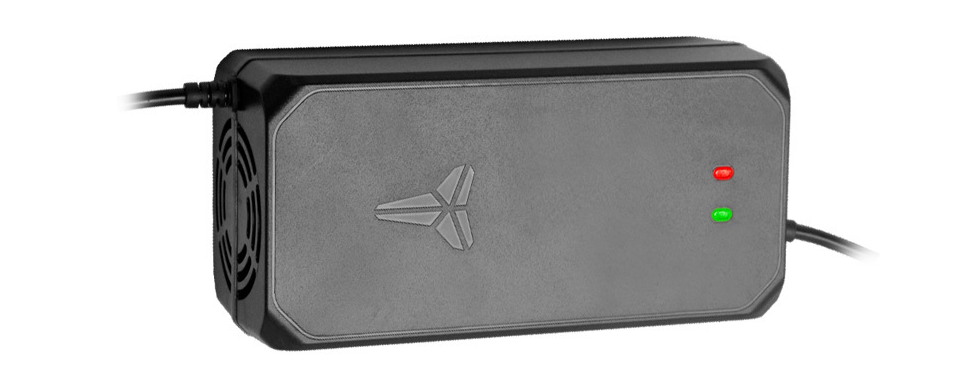
Shenzhen E-Tronde Charger is well-known for producing a wide range of chargers, power adapters, and related power management solutions, serving industries such as consumer electronics, telecommunications, and automotive.
Technology and Innovation:
The company is committed to technological innovation and maintaining high standards of quality. With in-house R&D capabilities and a focus on product testing, Shenzhen E-Tronde Charger continuously develops cutting-edge solutions to meet the ever-evolving demands of global markets. As a result, its products are known for superior performance, durability, and energy efficiency.
Market and Expansion:
Having successfully established a comprehensive domestic sales network across China, with provincial agents and regional distributors, Shenzhen E-Tronde Charger Co., Ltd. is now expanding its footprint in international markets. The company has begun penetrating key overseas markets, including Southeast Asia, Europe, and South America. With a focus on building long-term partnerships and delivering exceptional customer service, Shenzhen E-Tronde aims to enhance its global presence.
Corporate Philosophy:
At Shenzhen E-Tronde Charger, customer satisfaction is at the heart of the company’s values. With a focus on sustainable growth, product excellence, and continuous innovation, E-Tronde strives to be a leader in the global charger and power supply industry, providing reliable, high-performance solutions to meet the needs of today’s dynamic world.
Delta Electronics is a global provider of power and thermal management solutions. They specialize in high-efficiency industrial charging units, ODM/OEM switching power supplies, and custom converters for utility-scale energy storage systems.
Founded in 1995, Huntkey is a leading manufacturer of power strips, adapters, and chargers. With large manufacturing bases in Shenzhen, Heyuan, and Hefei, they deliver high-volume charging platforms for consumer and industrial brands.
Chicony Power is recognized for its compact design capability, specializing in high-density adapters and power converters. Their implementation of GaN technology in mid-to-high wattage chargers makes them a top choice for PPS brands.
An established power supply manufacturer, Phihong offers charging solutions for the EV, telecom, and industrial sectors. They design robust outdoor chargers and high-wattage power blocks with smart monitoring systems.
Salcomp is a leading global developer and manufacturer of power adapters, chargers, and smart energy modules. Their advanced automated factories in multiple continents provide excellent regional logistics flexibility.
Flex Power offers global design, engineering, and manufacturing services. They build medical, automotive, and industrial-grade high-power battery chargers for international enterprises requiring strict supply chain visibility.
Lite-On is a major supplier of optoelectronics and power management solutions. They manufacture high-efficiency power supplies and integrated charging systems for the commercial infrastructure and automotive industries.
FSP Group is an established name in power supply manufacturing. They focus on green power solutions and provide high-density charging modules, open-frame power supplies, and customization services for industrial hardware.
Mean Well specializes in standard power supplies. Known for their reliability, their off-the-shelf and semi-custom industrial battery chargers are widely used in industrial automation, robotics, and agricultural systems.
Vetting a high-power electronics manufacturer requires evaluating more than just price per unit. B2B buyers must prioritize long-term safety, regulatory compliance, and production consistency. Key verification parameters include:
Confirming compliance with certifications like UL 1012, UL 62368-1, CE-LVD, FCC Part 15, PSE, KC, and CCC is essential. Authentic manufacturers will provide test reports verified by accredited bodies (such as TÜV, SGS, or UL).
Look for factories that conduct comprehensive in-house testing. This includes thermal imaging, EMI/EMC testing, salt spray testing for outdoor setups, and multi-day environmental aging tests under full load.
Ask if the supplier uses traceable components (such as grade-A capacitors, genuine MOSFETs, and UL-certified plastics). Reliable manufacturers maintain clear records of component batches to guarantee product safety.
Portable power solutions are deployed in various environments, each demanding specific technical capabilities from the charger hardware:
Users in this segment need portable, lightweight chargers with integrated solar input support. Features like MPPT optimization and dust/water-resistant enclosures (IP65+) are key for camping, RV, and off-grid recreational use.
For emergency situations, chargers must offer fast power delivery. Bi-directional charging capabilities that plug directly into AC grids or high-power portable generators help minimize downtime when setting up backup systems.
Industrial workflows demand robust power systems. Chargers for remote construction, telecom, and medical installations require durable components, wide-voltage inputs, and comprehensive circuit protection.
From solar input accessories to heavy-duty charging points and EV-grade power converters, discover related systems engineered for critical infrastructure and everyday operations.
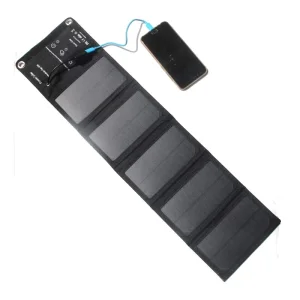
 E-Tronde Charger