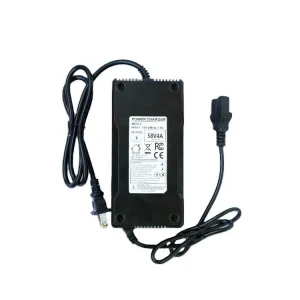
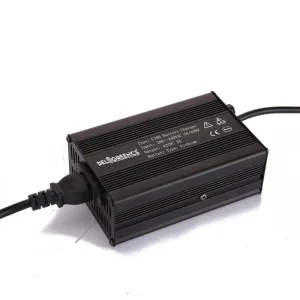
Direct procurement solutions engineered for high performance, moisture resistance, and severe salt spray conditions in Maldives and surrounding maritime zones.
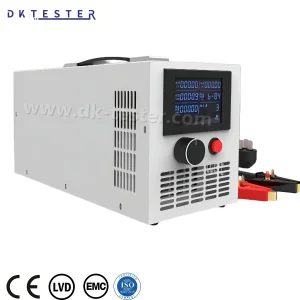
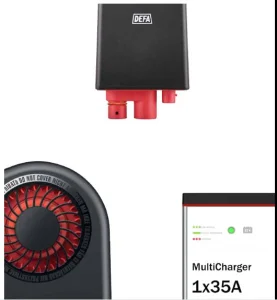
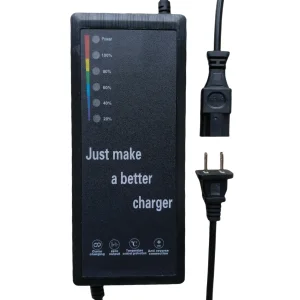
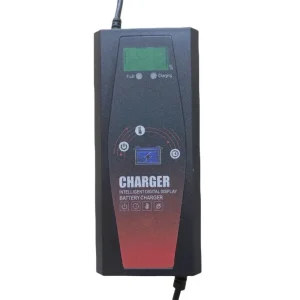
As a geographically dispersed archipelago consisting of more than 1,200 islands across 26 atolls, the Republic of Maldives faces distinct infrastructural hurdles. Power distribution systems rely on localized microgrids, utilizing diesel generation, solar photovoltaics (PV), and hybrid backup energy storage. In such environments, secondary batteries—primarily deep-cycle lead-acid (AGM, Gel, Flooded)—serve as critical foundations for electrical storage and mechanical starting systems.
High ambient temperatures, atmospheric salinity, and elevated humidity create extreme demands on electrochemical battery chemistries. Standard charging methods often result in premature battery failure due to sulfation or thermal runaway. High-efficiency, smart, and universal battery chargers are therefore crucial for protecting industrial assets and ensuring continuous power delivery for resorts, marine transport, and utility projects.
Our charging systems incorporate conformal-coated PCB boards, high-grade marine-certified enclosures, and rust-resistant cooling fins to prevent salt mist from degrading inner electronics.
With integrated external temperature sensors, our chargers automatically alter output charging voltages based on real-time room and cell temperatures, preventing overcharging in hot climates.
Procurement officers and engineers worldwide face operational difficulties with battery degradation. Standard, unregulated charging systems shorten battery life cycles, increase operating costs, and risk unscheduled downtime.
Our charging systems support multi-chemistry functionality. They handle a variety of battery configurations including AGM, GEL, Flooded, and Lithium-Ion options. This ensures compatibility with both legacy systems and modern power installations.
Integrated microcontrollers perform real-time diagnostic checks, instantly flagging issues like reverse polarity, short circuits, high temperatures, and overvoltage before they damage the battery banks.
Active Power Factor Correction (PFC) achieves up to 94% electrical efficiency. This helps lower localized diesel fuel use and lessens electrical load strain on resort-level mini-grids.
Ensuring reliable electrical performance across essential marine, commercial, and resort sectors in island environments.
Resorts in the Maldives rely on electric golf carts and utility buggies to transport guests and baggage quietly and cleanly. Maintaining these fleets requires robust chargers that can handle regular daily use, high humidity, and seaside exposure. Smart charging programs prevent undercharging and sulfation, helping extend battery service life and reduce operational replacement costs.
Marine vessels, including speedboats, supply ships, and traditional dhonis, need stable DC power for engine starting, navigation, and bilge pump operation. Dual-bank universal chargers allow crews to charge both starter and house deep-cycle batteries simultaneously from dockside connections or onboard generators.
Telecom installations on remote islands rely on deep-cycle battery banks to maintain connectivity. Universal smart chargers integrate with solar power systems, stabilizing DC bus voltages during cloudy weather or generator switches to prevent dropped signals.
Resorts and community mini-grids use solar panels combined with battery storage to reduce diesel dependency. Our heavy-duty universal chargers manage high-capacity stationary batteries, performing regular equalization cycles to prevent acid stratification.
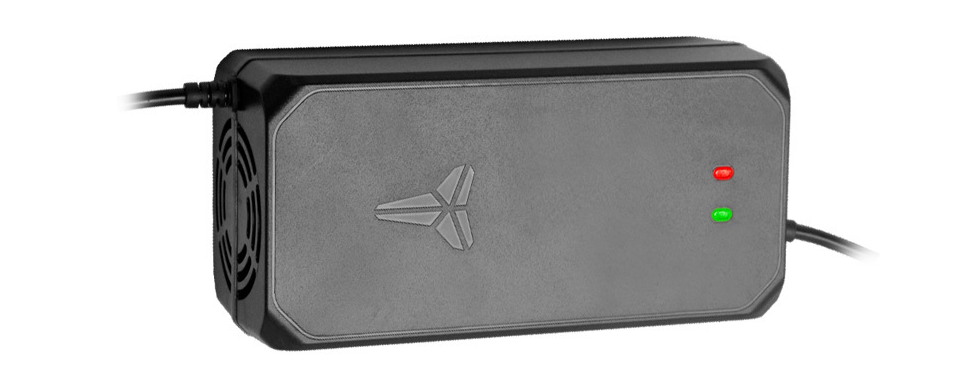
Established in 2001, Shenzhen E-Tronde Charger Co., Ltd. specializes in the development, production, and sale of advanced battery chargers and power supply systems. Over more than two decades, the company has developed robust engineering capabilities and manufacturing systems to serve global markets.
Operating a production space of over 10,000 square meters with a workforce of 100+ professionals, the company utilizes modern manufacturing setups. These include Surface-Mount Technology (SMT) lines, automated transformer assembly, and specialized burning-in testing chambers to ensure long-term product reliability.
An R&D team of more than 10 senior engineers guides product development, allowing us to adapt systems for challenging environments like the Maldives. We focus on power electronics innovation, quality control, and international safety compliance.
Automated high-speed SMT lines place electronic components with high precision, improving thermal performance and vibration resistance.
In-house transformer winding and insulation processes prevent internal short circuits, helping ensure stable power conversion under load.
All chargers undergo 100% full-load burn-in testing under controlled heat to verify operational stability before packaging.
Automated testers verify voltage, current, and safety features for every unit, ensuring compliance with international export standards.
Review the specifications below to match charger models with your facility's battery parameters and operational environment.
| Charger Platform Type | Applicable Battery Voltages | Maximum Output Current | Ingress Protection (IP) | Ideal Application Scenario |
|---|---|---|---|---|
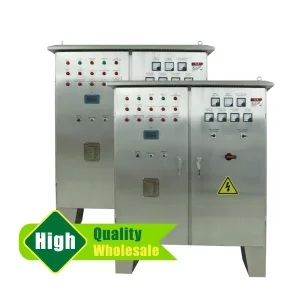
| Intelligent Programmable Machine | 2V - 110V (Adjustable) | 0.5A - 40A (Adjustable) | IP21 (Indoor Cabinet) | Resort Battery Repair, Lab & Maintenance Centers |
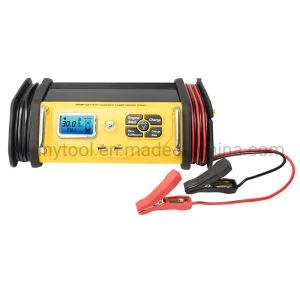
| New Energy Emergency Fast Charger | 12V / 24V / 48V | 12A / 20A / 35A | IP54 (Protected Outdoor) | Emergency Roadside Services, Marine Harbor Depots |
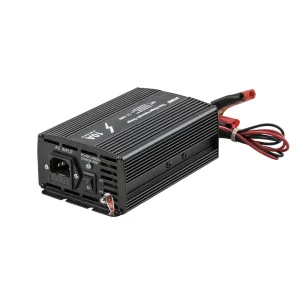
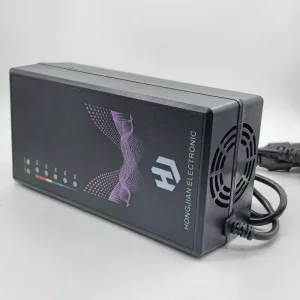
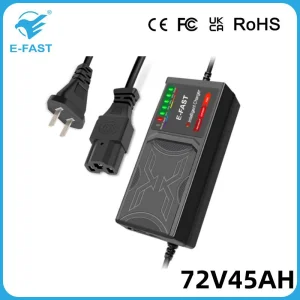
| High-Voltage E-Vehicle Charger | 60V / 72V / 96V | 3A - 15A | IP44 (Ventilated) | Resort Electric Buggies, Utility E-Scooters |
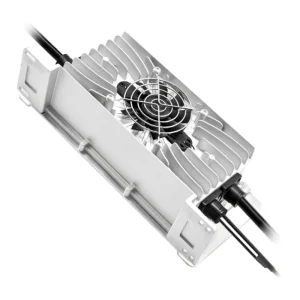
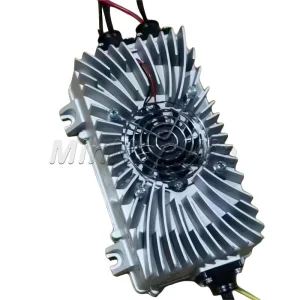
| Industrial Heavy-Duty Charger | 24V / 48V / 80V | 30A - 100A | IP32 (Industrial Enclosure) | Warehouse Forklifts, Solar Stationary Battery Banks |
| Marine Grade Waterproof Charger | 12V / 24V | 10A / 30A / 50A | IP65 / IP67 (Sealed) | Boat Engine Compartments, Floating Docks, Coastal Areas |
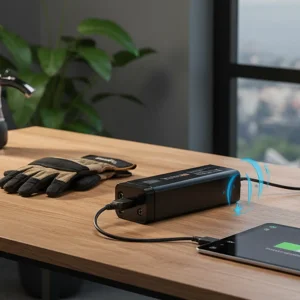
Select from our range of universal chargers, engineered for reliable performance in coastal and marine environments.
Find technical answers regarding lead-acid battery care, charger selection, and marine electrical safety.
High ambient temperatures lower the required charging voltage threshold for lead-acid batteries. Using a charger without temperature compensation in warm climates like the Maldives can lead to overcharging, water loss in flooded batteries, and possible thermal runaway in AGM/Gel batteries. Our smart chargers monitor temperature and adjust output to prevent overcharging.
Yes, our universal models feature selectable charging profiles. Lead-acid batteries require a multi-stage profile (Bulk, Absorption, Float) with temperature adjustment, while lithium batteries need a Constant Current / Constant Voltage (CC/CV) profile without a float stage. Using the correct setting helps protect the battery chemistry from damage.
For equipment exposed directly to weather or sea spray, IP65 or IP67 ratings are recommended. Indoor resort utility rooms or battery storage areas can typically use IP21 to IP44 rated chargers, provided they feature conformal-coated PCBs to protect against high humidity and salt mist.
Our four-phase charging cycle consists of: (1) Bulk, charging at maximum current until voltage reaches a set limit; (2) Absorption, holding the voltage steady while current drops; (3) Float, providing a low maintenance charge; and (4) Equalization, a controlled overcharge stage that helps mix the electrolyte and prevent sulfation.
Our chargers are equipped with several automated safety protections, including reverse polarity protection, output short-circuit protection, overtemperature shutdown, overvoltage limits, and timed safety cutoffs. These help safeguard the batteries, the charger, and the surrounding facility.
Whether managing a luxury resort fleet, marine transit services, or utility infrastructure projects in the Maldives, our engineering team can help configure the correct charging setups.
 E-Tronde Charger