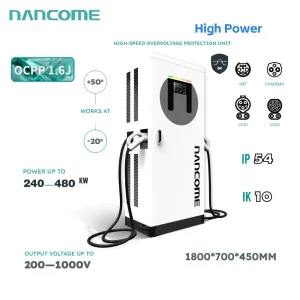
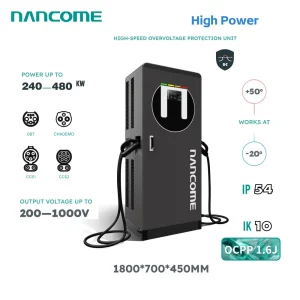
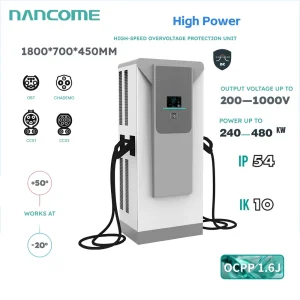
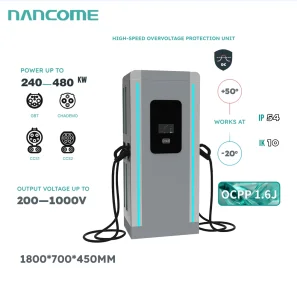
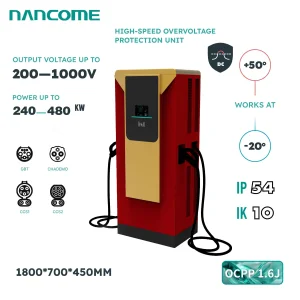
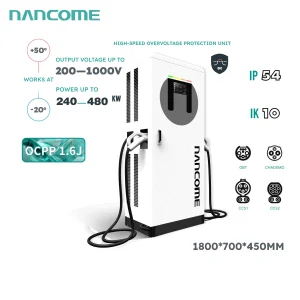
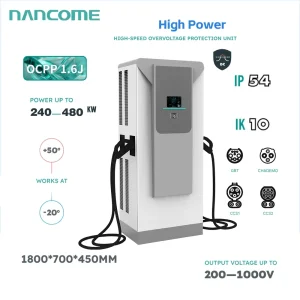
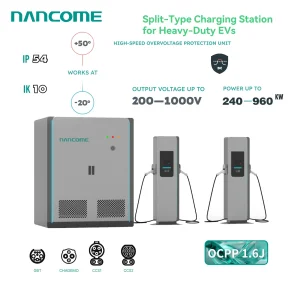
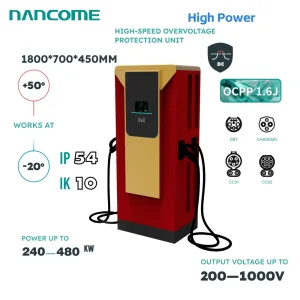
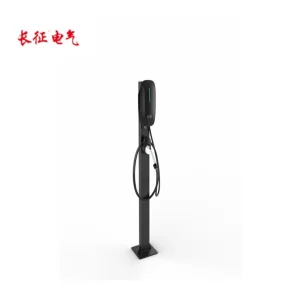
Optimized heavy machinery and fleet charging systems engineered to perform under severe environmental and electrical stress.
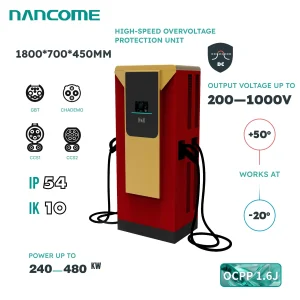
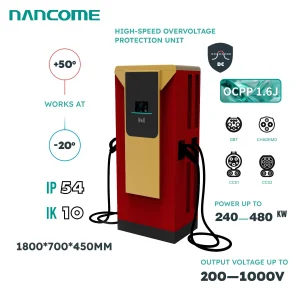
The Central African Republic (CAR) presents a unique geopolitical and geographical context for heavy industrial development. With key centers like Bangui, Bimbo, and the resource-rich northern and western mining concessions facing long-term energy distribution constraints, the integration of Industrial High-Power Charging Stations has emerged as a cornerstone of logistics efficiency. Industrial operations in CAR have historically relied almost exclusively on diesel fuel generation. However, soaring global fuel logistics costs and the high carbon footprint of inland transportation along the Ubangi River corridor have pushed forward-looking mining enterprises and municipal developers toward hybrid solar-EV infrastructure.
In the CAR industrial market, charging equipment cannot simply be imported off-the-shelf. The region's hot tropical savanna climate, marked by a dry season prone to heavy dust (harmattan wind currents) and intense tropical rainstorms, requires chargers with high IP protective ratings (minimum IP55, recommended IP65), robust over-voltage/under-voltage regulation, and multi-cabinet active air cooling design. E-Tronde Charger Co., Ltd. customizes its megawatt-class charging products specifically for integration with local off-grid PV microgrids.
Our deployments and conceptual engineering roadmaps target four key pillars of the CAR industrial economy:
Over Two Decades of Pioneering Power Electronics Excellence (Since 2001)
Originally founded in 2001, Shenzhen E-Tronde Charger Co., Ltd. has established itself as an authoritative leader in specialized battery chargers and industrial power supplies. With over 10,000 square meters of state-of-the-art production facilities, E-Tronde maintains highly automated SMT, through-hole assembly, and automated transformer production workshops.
By leveraging a dedicated team of over 10 veteran research engineers and 100+ production professionals, E-Tronde ensures that every industrial high-power unit meets rigorous international quality protocols. Our products undergo extreme stress, high-temperature environmental baking, load balancing, and functional performance testing before export.
Learn More About Our Factory Profile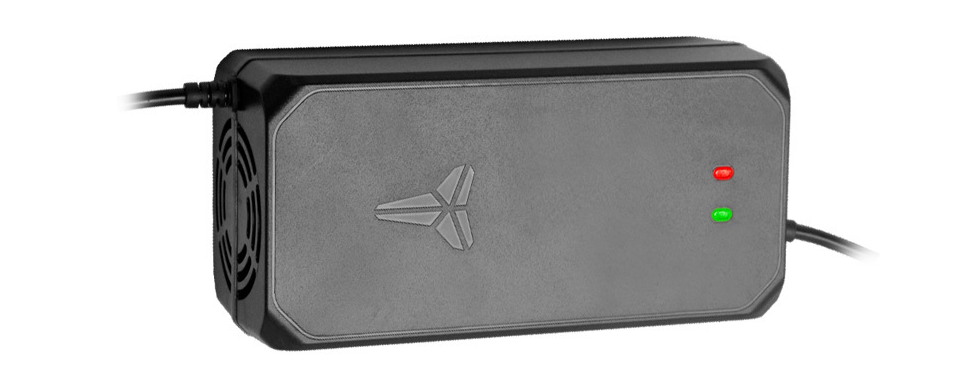
To address power fluctuations and the environmental challenges common to the Central African Republic, our industrial charging portfolio features active power distribution, modular component placement, and dynamic cooling configurations.
| Parameters & Features | Standard Specification (240kW - 480kW Platforms) | Central African Republic Localized Protection Adaptation |
|---|---|---|
| Input Voltage Range | AC 380V / 400V ± 15%, 3-Phase + PE | Expanded input tolerance to AC 380V ± 25% (handles rural grid drops) |
| Harmonic Distortion (THDi) | ≤ 5% at full capacity | Prevents distortion feed back into local diesel generator microgrids |
| Cooling System | Forced air cooling with independent duct layout | Optional liquid cooling or IP55 dust-filtering dual chamber system |
| Operating Temperature | -30°C to +55°C | Derating protection threshold optimized for sustained 45°C ambient run times |
| Protocols / Connectivity | OCPP 1.6J / OCPP 2.0.1, 4G / Ethernet | Standard eSIM integration configured for regional satellite/telecom setups |
| Safety Features | Over/Under voltage, surge protection (Class II), short circuit | Reinforced lightning strike and power surge insulation protection |
Our chargers utilize modular power units. If a single 30kW module encounters an isolated electrical fault, the system isolation circuit immediately bypasses the affected module, maintaining continuous charger operation at a slightly reduced maximum capacity. This design minimizes operational downtime in remote mining locations where replacement parts may take days to arrive.
A comprehensive selection of rugged AC and DC high-power charging platforms for mining trucks, public buses, and logistics fleets.

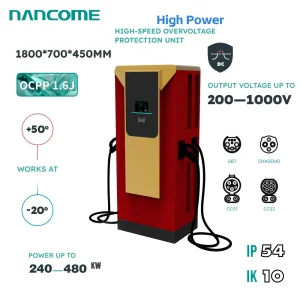
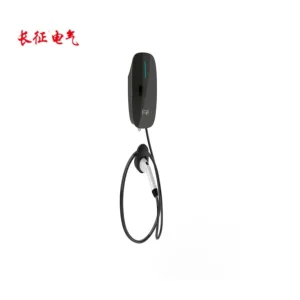
Exporting high-power electrical infrastructure to landlocked countries in Central Africa, specifically CAR, involves navigating complex transport networks. As a reliable export partner, Shenzhen E-Tronde Charger Co., Ltd. coordinates complete customs processing, transit management, and regional routing.
Typically, shipments land at seaport hubs like the Port of Douala (Cameroon) or the Port of Pointe-Noire (Republic of the Congo), followed by overland transportation via regional corridors. We package all hardware in heavy-duty, sea-worthy wooden crates vacuum-sealed with moisture-absorbing desiccants to prevent humidity and rust during long-term storage and overland shipping.
Detailed answers regarding the deployment, operation, and maintenance of industrial high-power chargers in sub-Saharan conditions.
 E-Tronde Charger