E-Tronde Charger
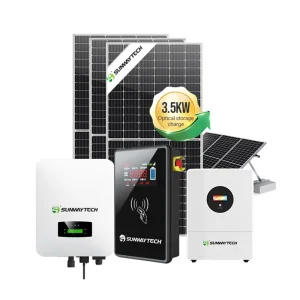
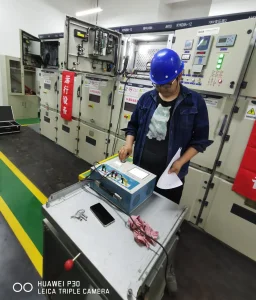
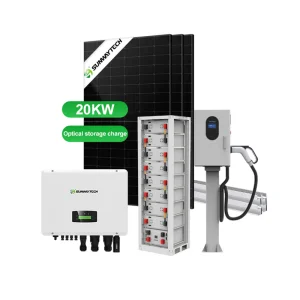
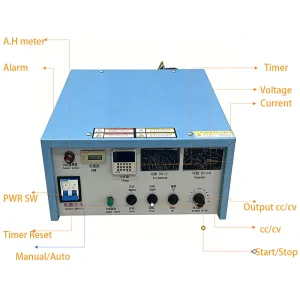
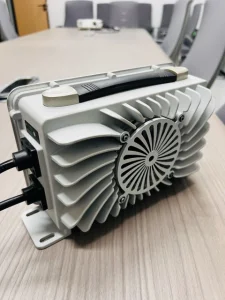
In the modern era of industrial automation and renewable energy integration, the Heavy Duty Power Inverter has transitioned from a niche electrical component to the literal backbone of critical infrastructure. As global industries pivot toward electrification, the demand for robust, high-capacity power conversion systems has reached unprecedented heights. From powering remote mining operations in the Australian Outback to ensuring the stability of data centers in Northern Europe, heavy-duty inverters are the essential bridge between raw DC energy and stable AC utility.
Global Industrial Context
The global market for industrial inverters is projected to grow at a CAGR of 7.5% through 2030. This growth is driven by the expansion of the "Internet of Things" (IoT) in factories and the rising necessity for uninterruptible power supplies (UPS) in healthcare and telecommunications.
China's Manufacturing Edge
China accounts for over 60% of the world's power electronics production. Suppliers like Shenzhen E-Tronde Charger Co., Ltd. leverage a vertically integrated supply chain, from raw copper winding for transformers to advanced SMT lines for PCB assembly, ensuring rapid lead times and superior cost-to-performance ratios.
Energy Transition Role
As the world moves away from fossil fuels, heavy-duty inverters facilitate the storage and utilization of solar and wind energy. High-capacity inverters (typically 5kW to 500kW) are now standard in utility-scale battery energy storage systems (BESS).